
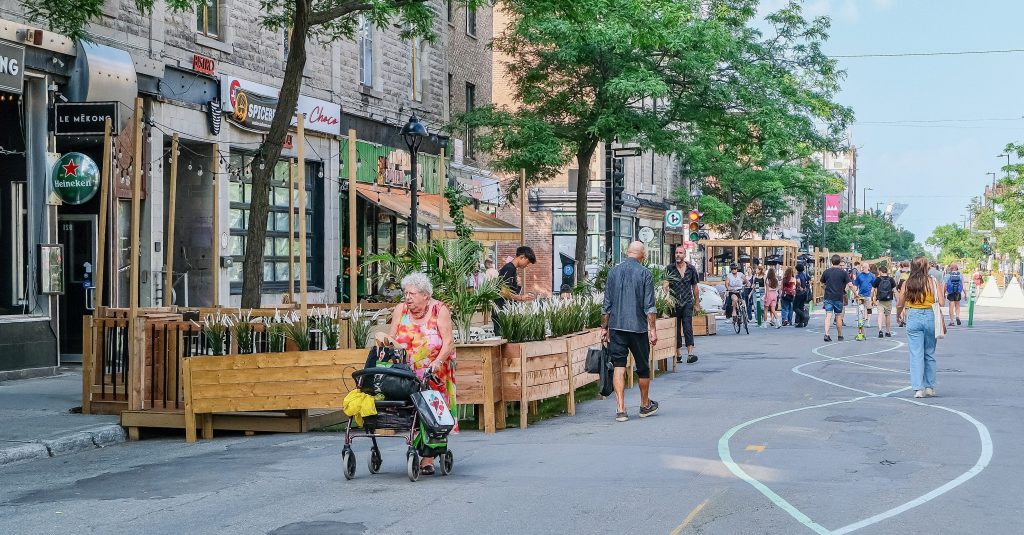
This Autumn I’ve teamed up with friends at BEST Mobility to share stories of how access to sustainable transport has such a big impact on the lives of everyone not just in our former home of British Columbia, but everywhere. This post in one of those stories.
Thursday October 1st was National Senior’s Day in Canada, a chance to shine a light on the needs of Canada’s fastest growing demographic. In British Columbia, the number of residents aged 65 and older nearly doubled between 2001 and 2021, increasing from 533,090 to 1,019,360 (StatsCan).
A lot changes as we age, most notably our ability to move throughout our communities. For many older adults, driving – something they’re done their entire adult lives – is closely linked to independence and social connection. But changing physical abilities, combined with increasingly complex traffic conditions, can make driving less safe over time. According to Transport Canada, older adults account for more traffic fatalities than any other age group.
As we look for ways to support seniors’ ongoing participation in daily life on their terms, how can we help more people age actively, safely, and with dignity?
Walkable communities support health and social connection
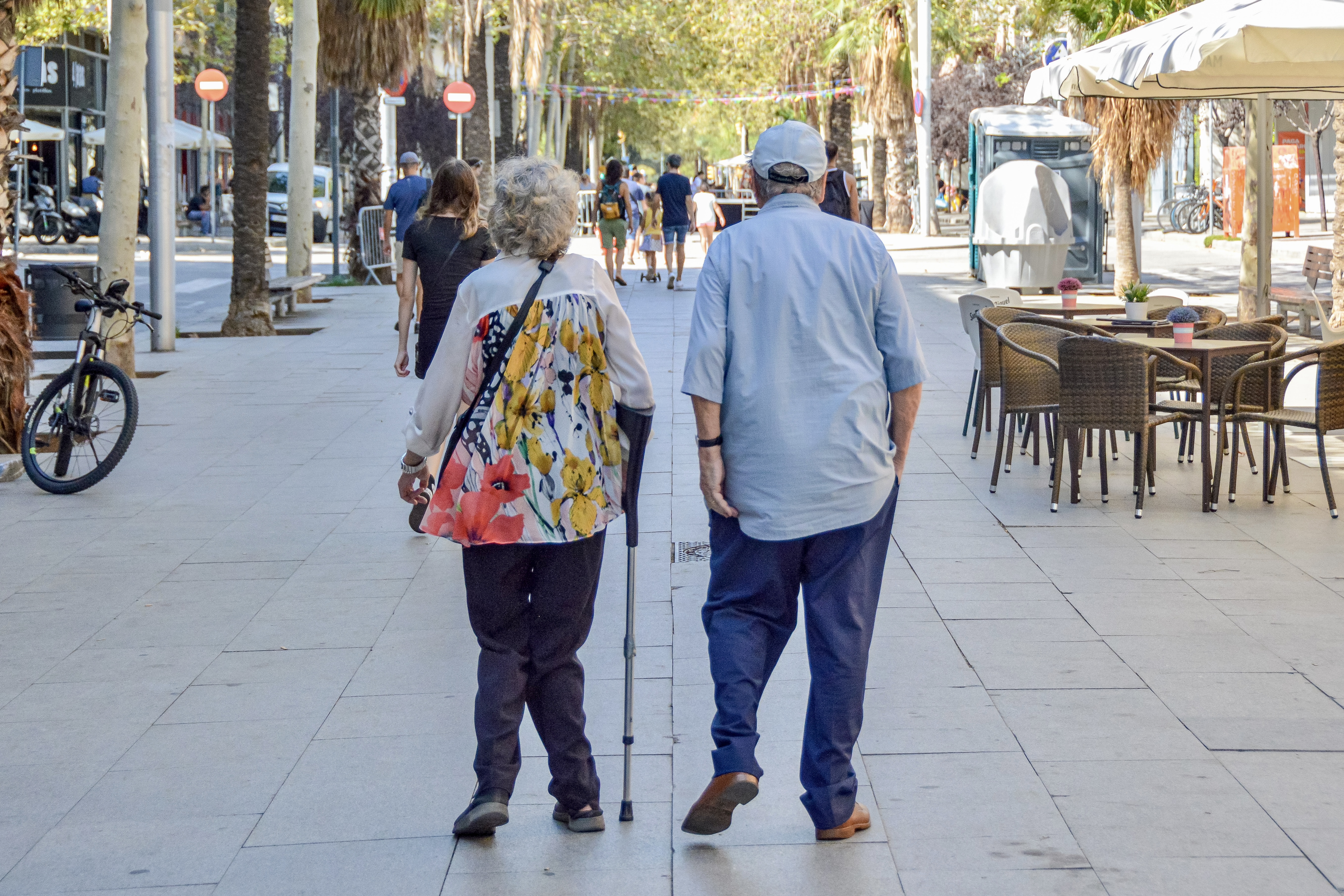
Ageing should never mean becoming isolated because the space around us no longer meets our needs. One relatively easy way to continue feeling like a part of the community is to go for a walk. Investments in well-designed walking and wheeling infrastructure is therefore key to helping older adults remain active, connected, and visible in their communities.
“For seniors who become active through walking groups, I can see in their faces what a difference it makes in their everyday lives,” explains Beverly Pitman, PhD, Healthy Aging Manager for United Way British Columbia. “They’re just more nimble, outgoing, and the physical activity makes them stronger. And that manifests through their whole lives.”
Pitman says the benefits extend well beyond physical health. Walking groups create opportunities for social interaction and help challenge stereotypes about aging. “That visibility of an active, outgoing, exercising, fun loving, social older adult has an incredible opportunity to break stereotypes around what we understand getting older to be. And I’m all for that.”
Pitman’s words resonate with me quite personally. In Montreal, my 90-year-old grandfather uses an electric mobility scooter to travel daily along the Lachine Canal to Atwater Market, where he chats with vendors, buys groceries, and occasionally meets friends for coffee. Living in the early stages of Alzheimer’s, these routines help him remain social while maintaining his independence and remaining a visible part of the community in which he’s lived his whole life.
That social connectivity is one reason United Way supports the Better at Home program with funding from the Ministry of Health. Alongside services such as volunteer driving for appointments and light housekeeping, the program funds community walking groups.
“Funding of walking clubs is probably the single most effective way for United Way to spend the dollars we receive from the Ministry of Health, bar none,” Pitman states. Participants get to stay physically active in a fun way that also helps reduce isolation and loneliness.
Investments in active transportation infrastructure, combined with community shuttles and accessible destinations, allow older adults to reach libraries, cafés, markets, and friends actively and independently. These everyday trips help people age in place while preserving dignity and autonomy.
Never too old to learn: Seniors on the Move
Walkability is but one part of the mobility equation. Many older adults face physical limitations that make longer walks difficult, averaging the need to rest every 500-metres. This is where accessible public transportation can fill this gap. But for some, learning to use transit after decades of driving can feel intimidating.
To support this transition, BEST Mobility created Seniors on the Move, funded in part by United Way and TransLink.
Farinaz Rikhtehgaran, Director of Programs at BEST Mobility, explains that their Seniors on the Move program has three key objectives:
“Awareness raising around seniors’ transportation needs and how important it is in their life, easing this transition for them from driving to other modes, and to improve and provide other options for them to get around.”
Its Transportation Workshops and Excursions introduce older adults to Metro Vancouver’s buses, SkyTrain, HandyDART, and other transportation options through practical, social, and fun outings.
“We talk about public transportation as an option,” says Rikhtehgaran. “Then we take them on an excursion with a city bus or with a sky train, taking them to a cafe or a social space, somewhere local that they would enjoy.”
The initiative helps participants learn routes, schedules, travel tips, and accessibility options while building confidence in a supportive environment and safe environment among peers and without judgement. BEST Mobility has also partnered with Vancouver Cycling Without Age to launch a new program called Seniors Ride to the Park, which combines transit education with outdoor trishaw rides. The program currently operates in Vancouver and Burnaby with hopes to expand in the future.
Participant feedback highlights the program’s impact. “I hear often that they learned a lot,” Rikhtehgaran shares, “and that the experience made their day.” Many participants discover destinations they had never visited before and leave feeling confident enough to return independently.
Making the invisible visible
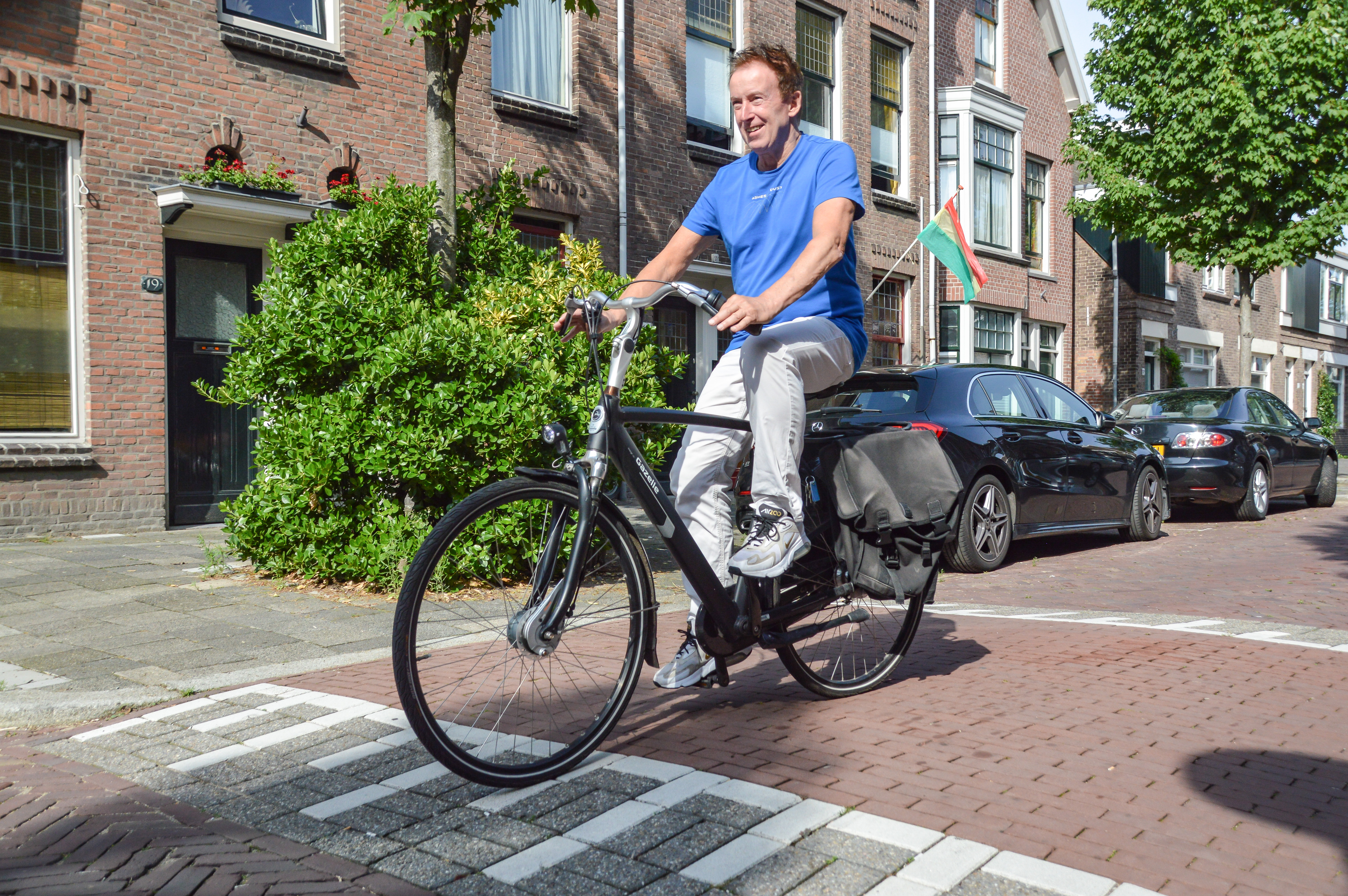
It’s easy to forget that when we age, the way we access our communities will inevitably change. Investments that help older adults remain active, mobile, and socially connected will benefit us all today and when we are older ourselves.
Accessible active transportation networks should provide enough space for people of varying abilities and speeds to travel comfortably. Pitman, who spoke at BEST Mobility’s 35th Anniversary event on National Senior’s Day, notes that pathway design needs to consider the realities many seniors face:
“Seniors are often hard of hearing and fear falling, and that combination really makes some shared pathways quite a stressful experience.”
Meaningful engagement with older adults during planning and design processes can ensure these needs are reflected in community infrastructure.
As Rikhtehgaran points out, “The way people experience public space at 65 is different from 75, which is different from 85. People need to understand that saying, ‘65 plus population’ doesn’t capture their varied and diverse lived experiences.”
Investments in programs such as Better at Home and Seniors on the Move, as well as the infrastructure that allows older adults to move comfortably throughout their communities and cities, help older adults maintain independence, wellbeing, and social connection. These efforts strengthen intergenerational relationships, challenge stereotypes about aging, and help ensure future generations can remain connected to the places and people that matter most.
Farinaz noted that British Columbia’s 4th annual Active Transportation Summit will be taking place October 28th-30th and she will be moderating a panel on the important topic of Aging and Active Transportation. Tickets are still available if you want to join this great conference.
For a bit of cycling joy, check out the video we made at this year’s Cycling Without Age Summit in Budapest!


Leave a Reply