
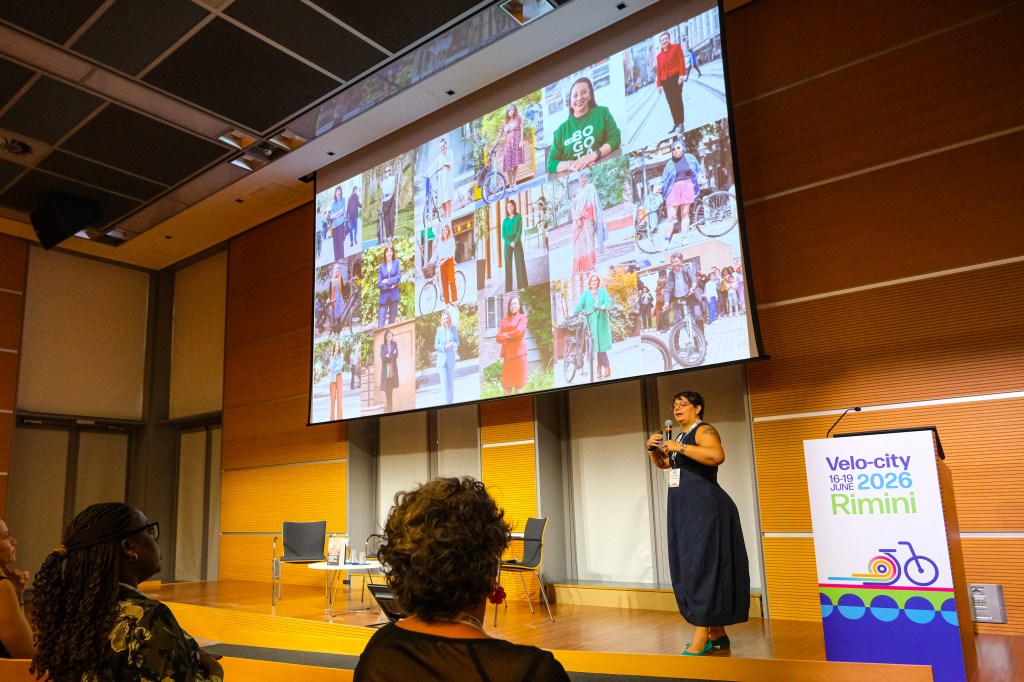
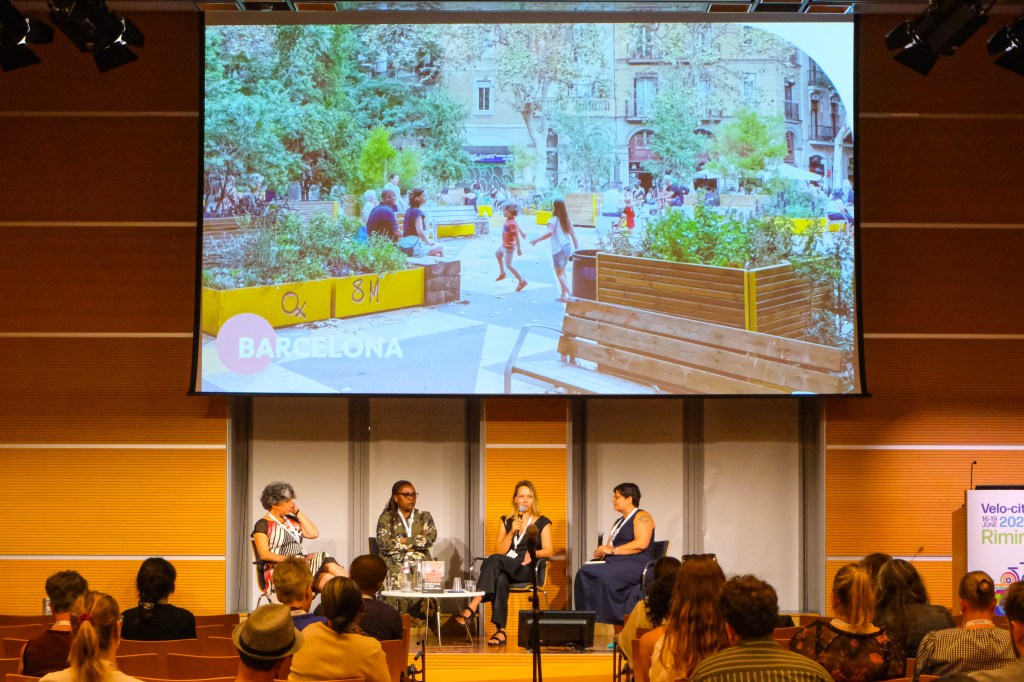
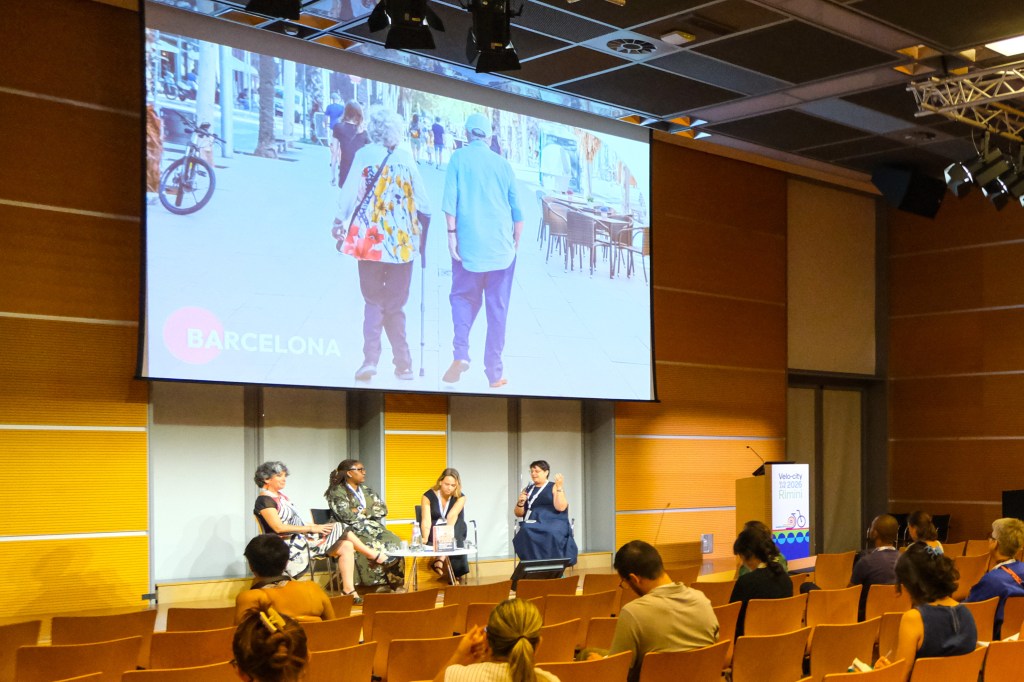
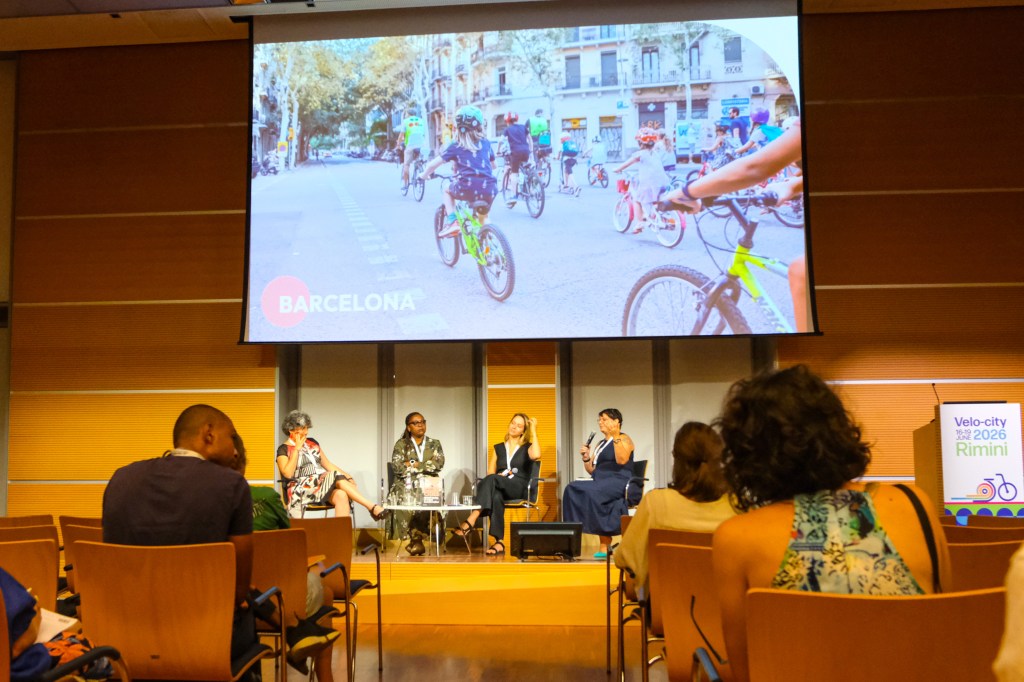
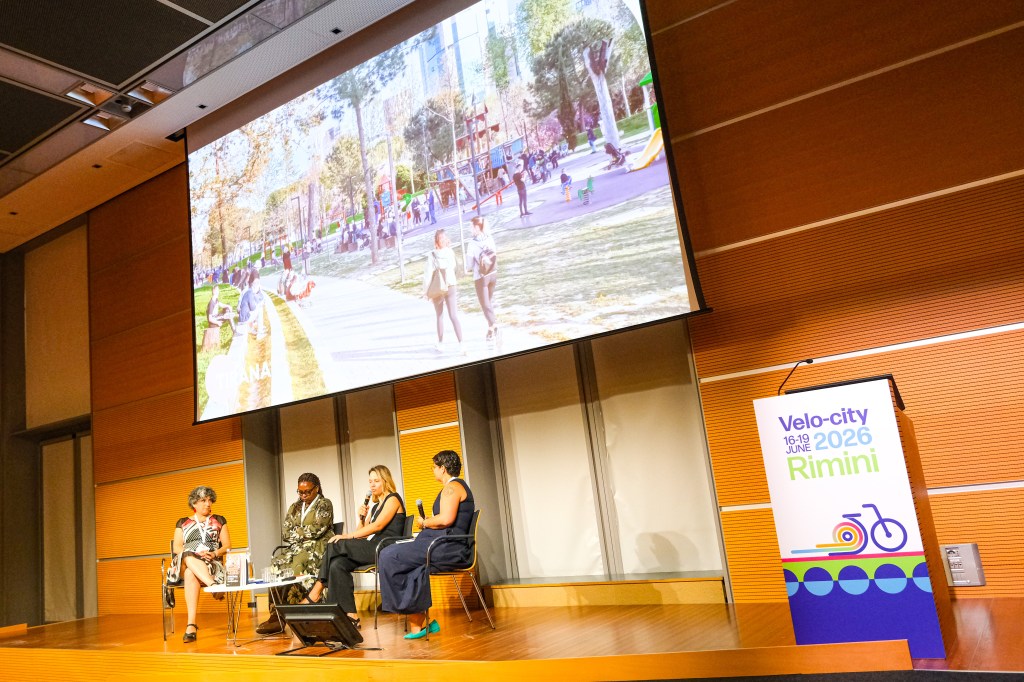
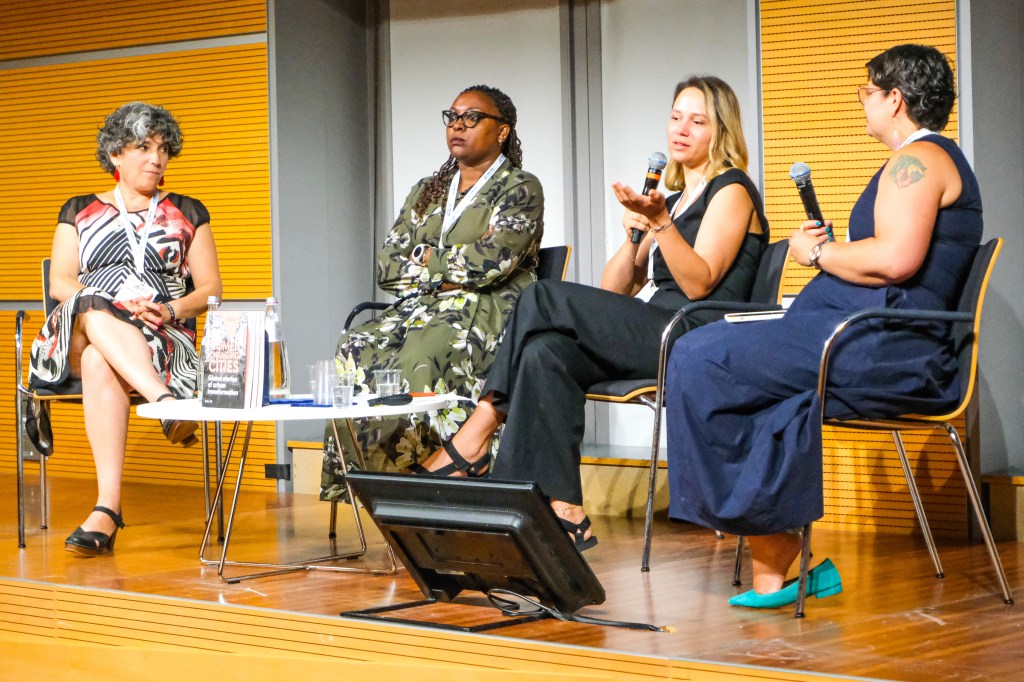
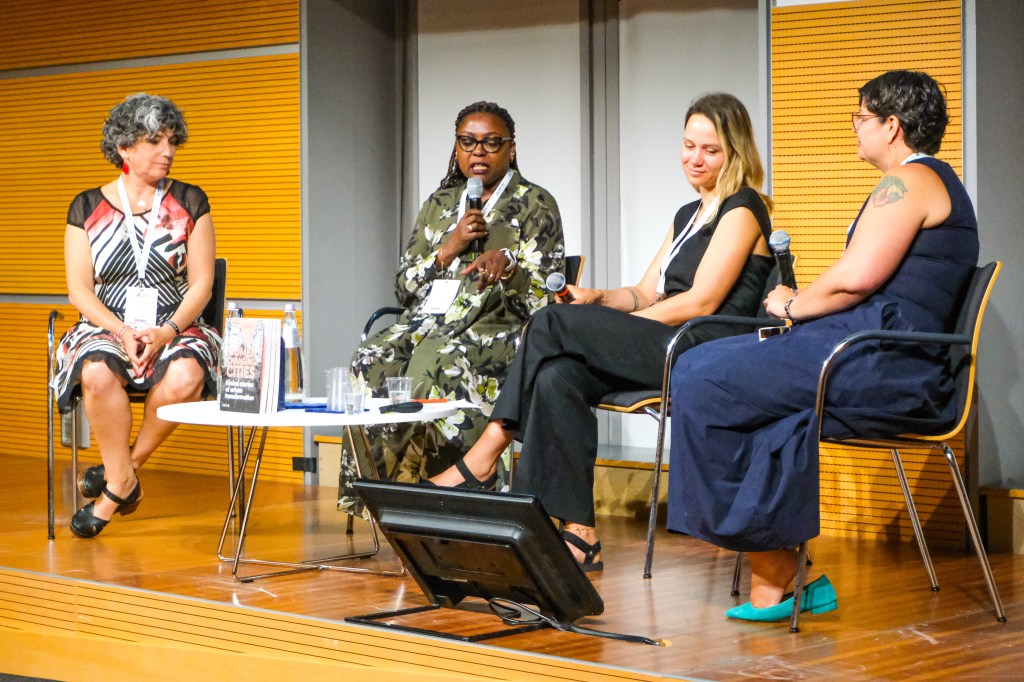
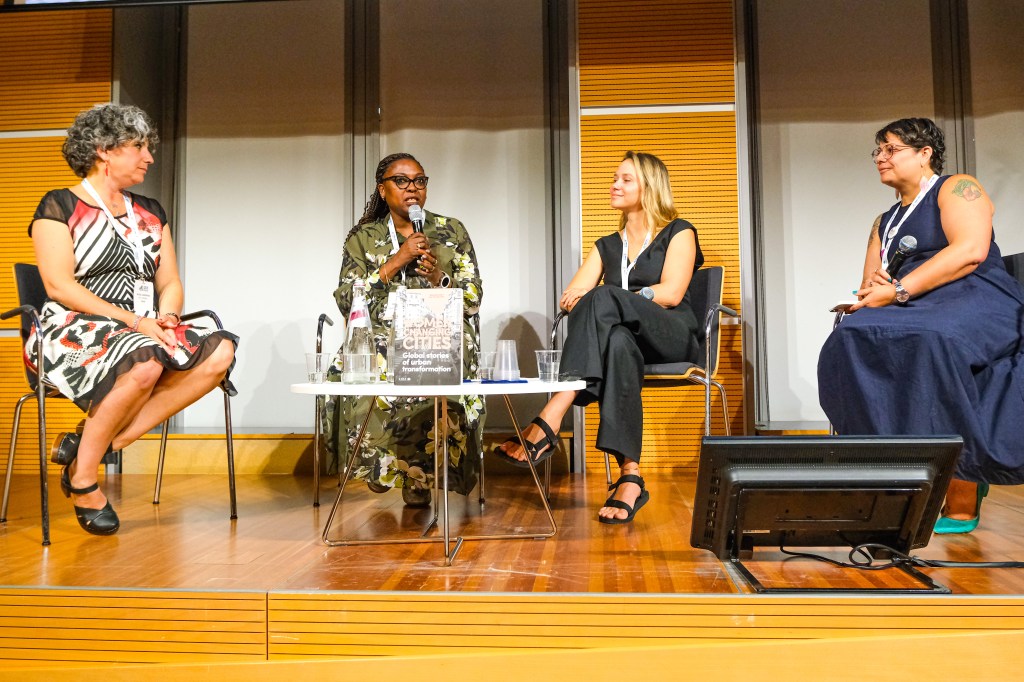
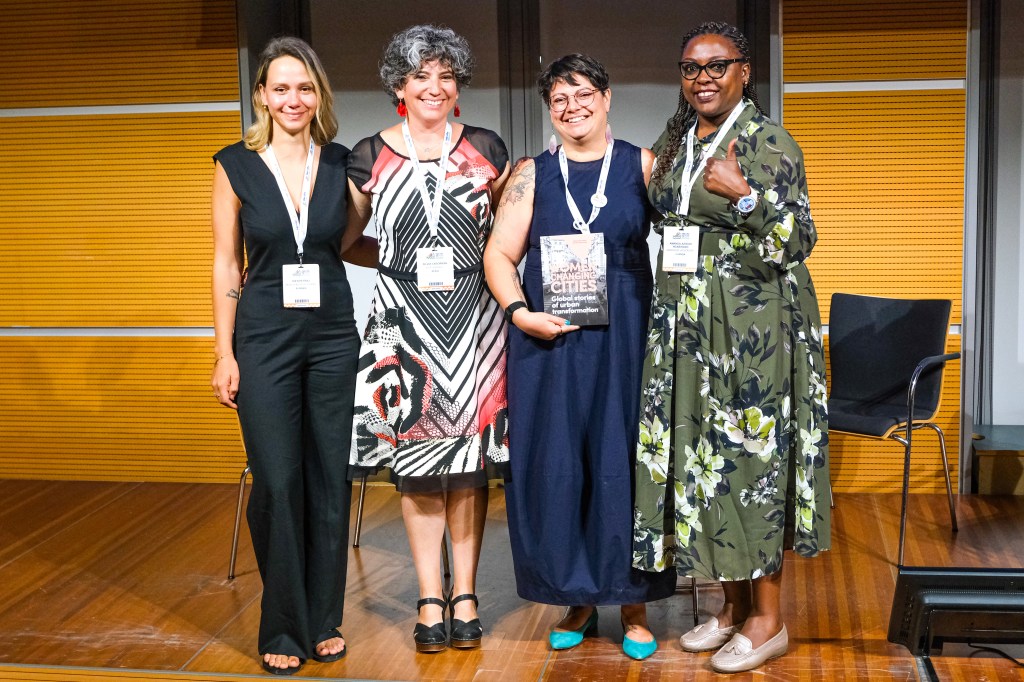
As the Velo-City Conference enters the third day, people are still buzzing from the joy and excitement of an evening spent cycling with the masses for the bike parade and dancing into the evening at the various parties that followed. For me, however, day 3 marks a special panel sharing the stories of 4 incredible women changing cities and the power of women in leadership.
Over the years the conference had made increasing space to discuss issues of access and barriers to cycling experienced by women. To be able to host a fireside chat discussing the importance of representation at decision-making tables was not only a moment of pride, it remains necessary. Women still make up a fraction of leaders in the cycling sector, and to shy away from the discussion does us all a disservice. But we also need to celebrate what has been achieved nby those women who have pushed through the status quo to “get shit done.”
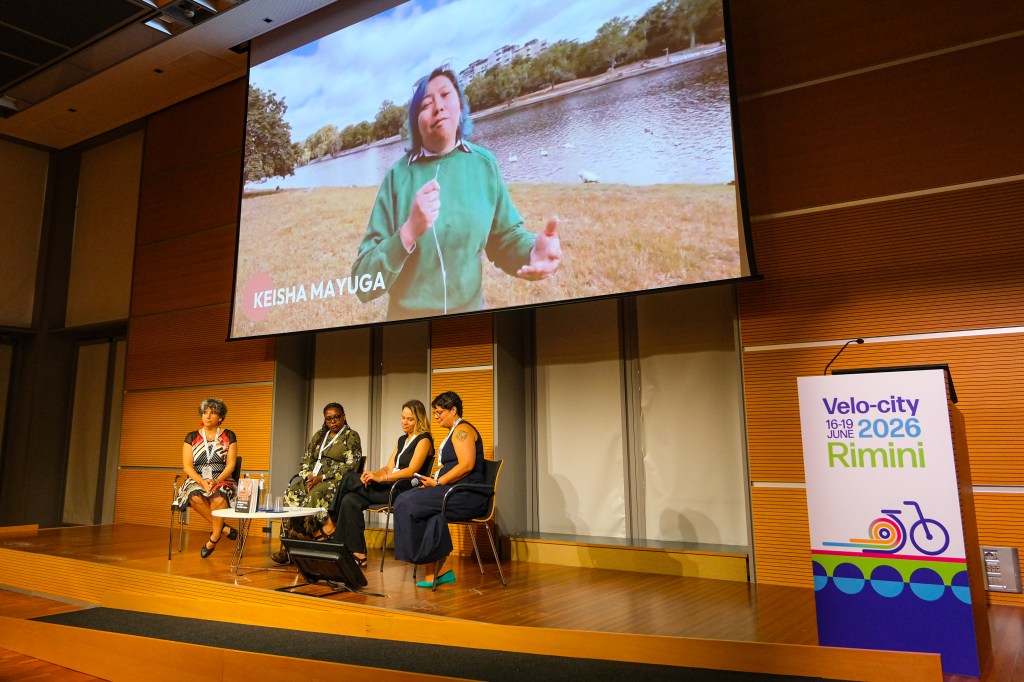
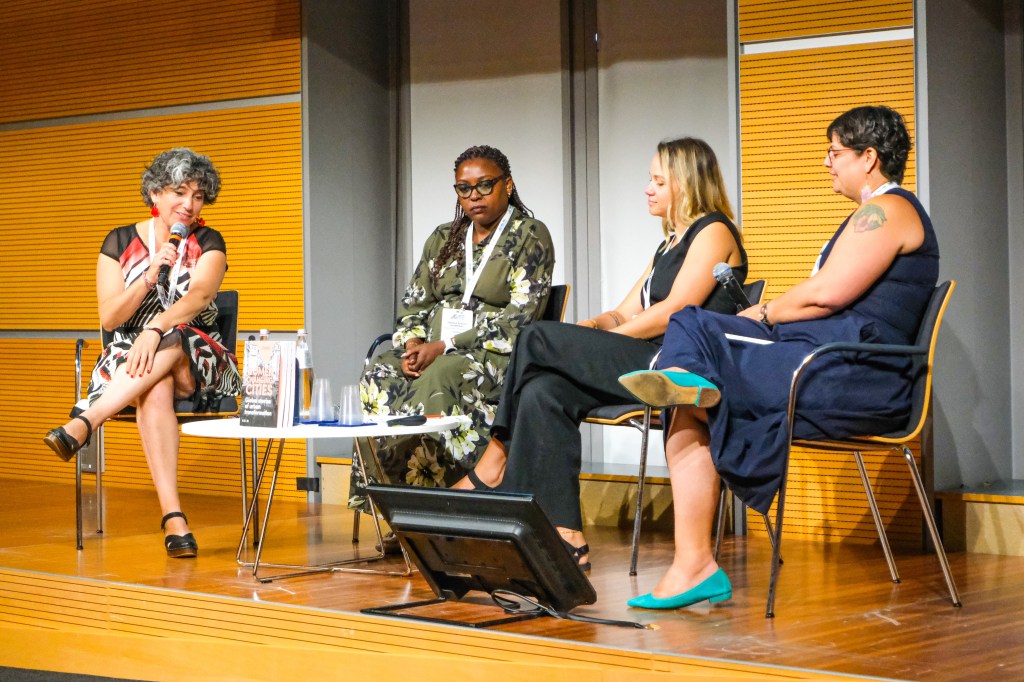
The dialogue with four of the nineteen featured women was insightful, building on the stories they shared with us three years ago. A video introduction from Keisha Mayuga, Transport Policy Advisor Gender and Inclusion – GIZ and an advocate from Manila spoke about why storytelling is so important to learn about global impact and share knowledge. Amanda Ngabirano from Kampala spoke about how for her, persistency and being the bridge to build alliances helped her realise non-motorized transport lanes in the heart of the Central Business District, all while leading by example, showing women cycling was definitely an option by doing it herself. Iden Petraj, the Bicycle Mayor of Tirana, shared how the success of cycling in her city was through first building the community to deman for better cycling, and then being their voice in the Municipality to reassure them that they had the support of a silent but passionate majority. And in Barcelona, Silva Casorran reinforced the important role of communications in building support, but also remebering what we communicate when is key, and sometimes it may be better to say nothing but create change through action.
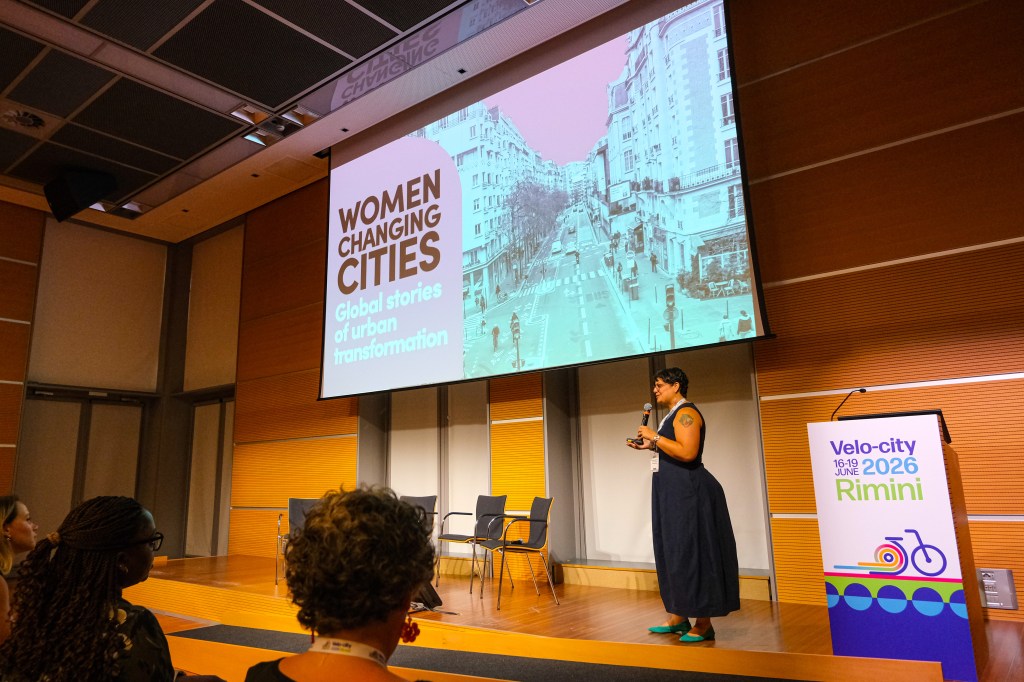
I am proud to have been able to write this book together with Chris, and even more so to bring these stories to a global conference where sometimes we need a little push to see there may be other ways of achieving success. What is powerful is that conference session themes focused on gender are becoming less unlikely each year, with topics gender, age and ability for social inclusion prominent over multiple parallel presentations, including a look at cycling while pregnant for the first time this year.
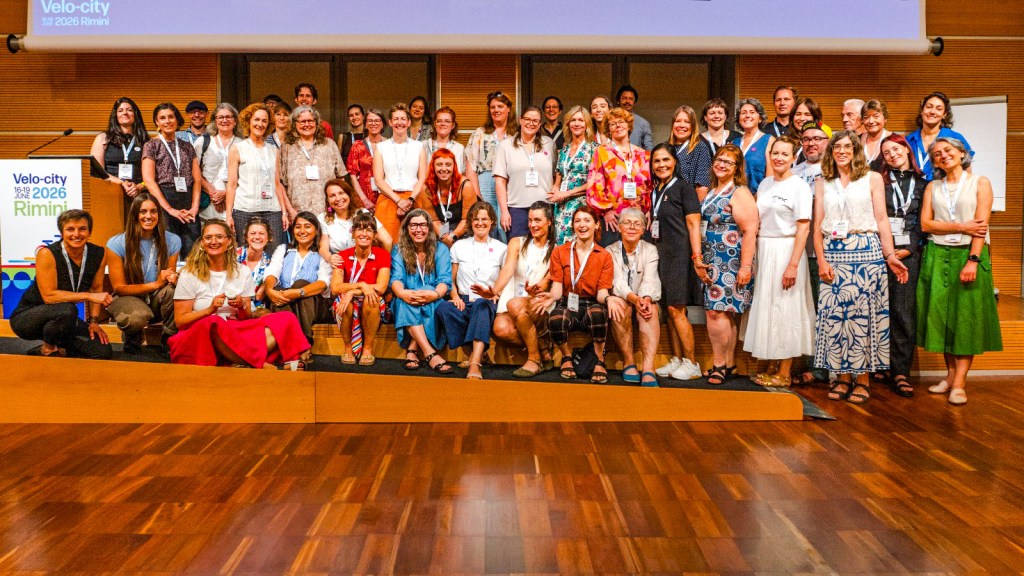
It is also evident in the growth of the annual Women in Cycling session in both size and importance. The discussions are focused on expanding national chapters and increasing the visibility of both local work and international research, and how we can collectively achieve the goal set when Women in Cycling launched in 2021 of a European (or even global) cycling mode share of 50%. In the coming weeks and months, I am committed to supporting this goal, bringing more women’s voices into the forefront and working as hard as I can to get to a point where equitable women’s representation is no longer remarkable, it’s just the way things are.
Thanks Velo-City for making space for women’s voices to be lifted up and their work celebrated on a global stage!
 Modacity Creative
Leave a comment