
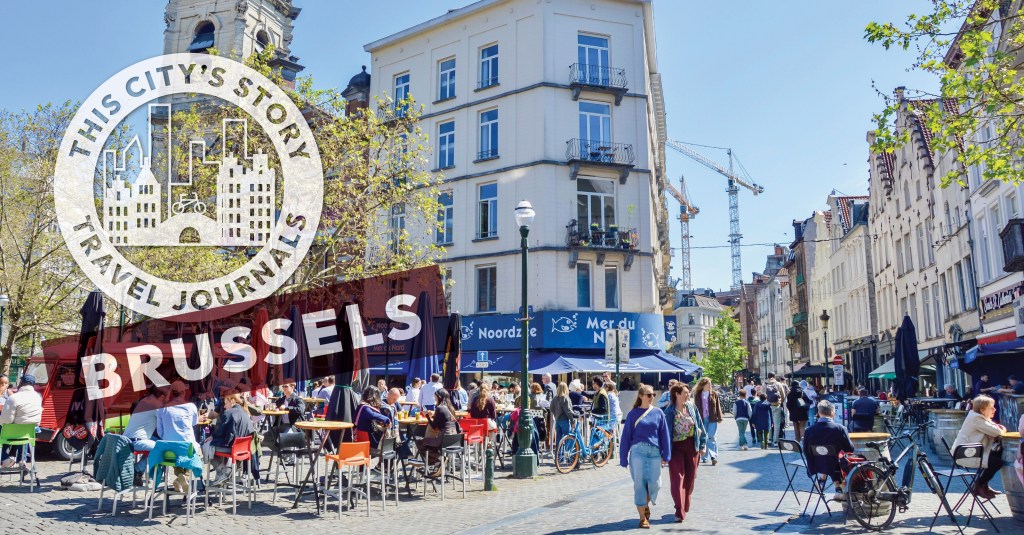
Brussels is one of those polarising metropolises. Speak to most people and they either speak very fondly of its vibrancy and eclectic spirit, or they share a deep distaste for the chaos of a city composed of competing elements of French, Dutch, and the international influence.
As the seat of the European Commission and countless continental institutions, the Brussels Capital Region is home to 1.2 million residents. With a mix of Belgian, European and international residents it is an incredibly diverse, but due to this dense population, alongside a mix of historic and postmodern street design, Brussels also has the unfortunate reputation of having the worst traffic in Europe.
However, Brussels is transforming. When I first visited in 2022, little did I know this change was already underway. For me, having then lived in the Netherlands for 3 years, I didn’t find the walkable centre to be anything remarkable. Nor that people were cycling on the somewhat hostile streets – something I had come to expect from most European cities by this point.
It was only when we started digging into the story of Brussels’ more recent history for Women Changing Cities that I began to see how far the city had come, and how it continues its transformation to this day.
Elke van den Brandt is one of those residents who loves Brussels. She is also the catalyst behind many of the human-scale improvements happening in the region. So if you find yourself travelling to the European capital, here are some recommendations of how to experience the story of Brussels that is being rewritten.
Walkable Brussels: From car spaces to human spaces
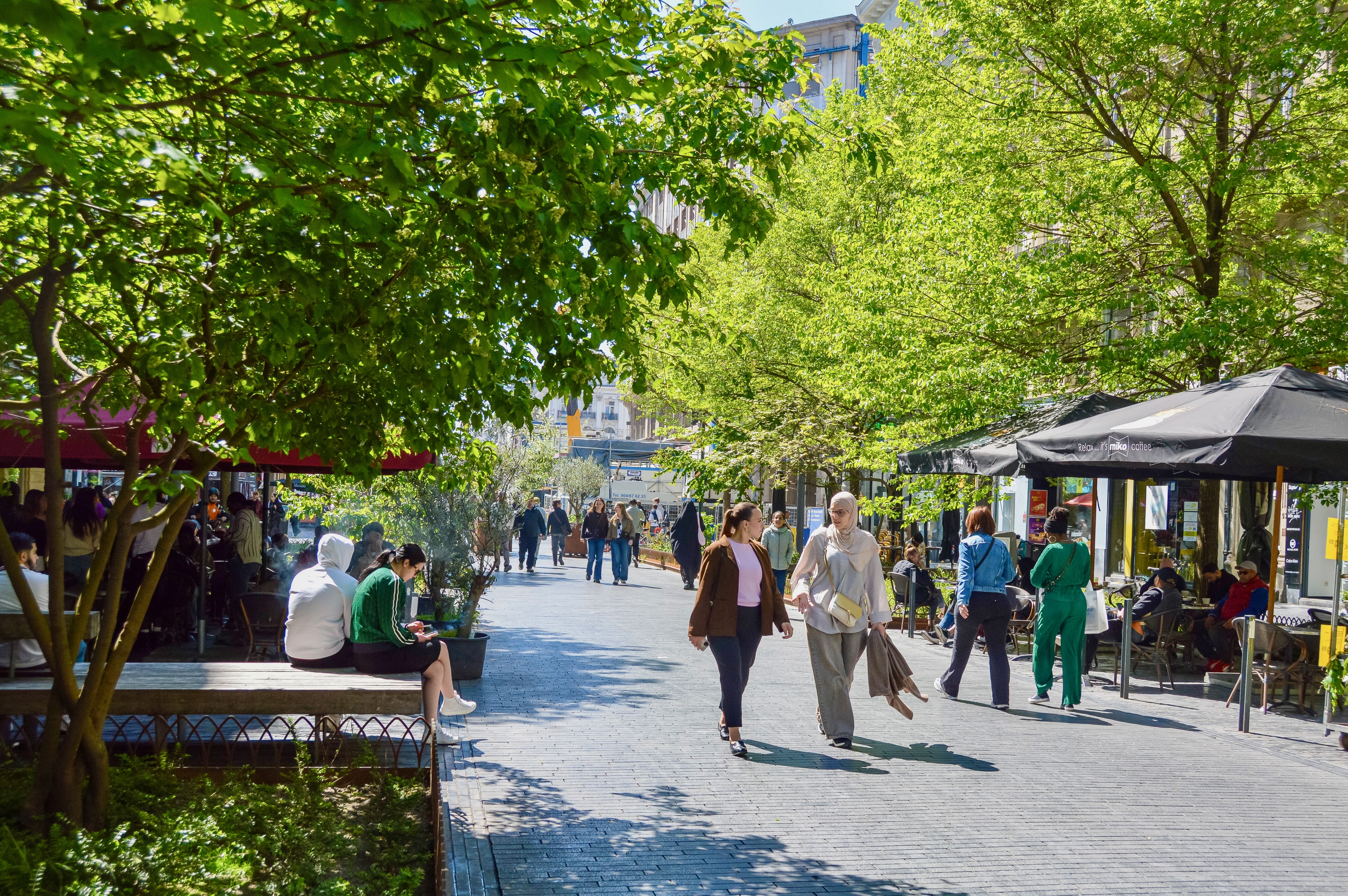
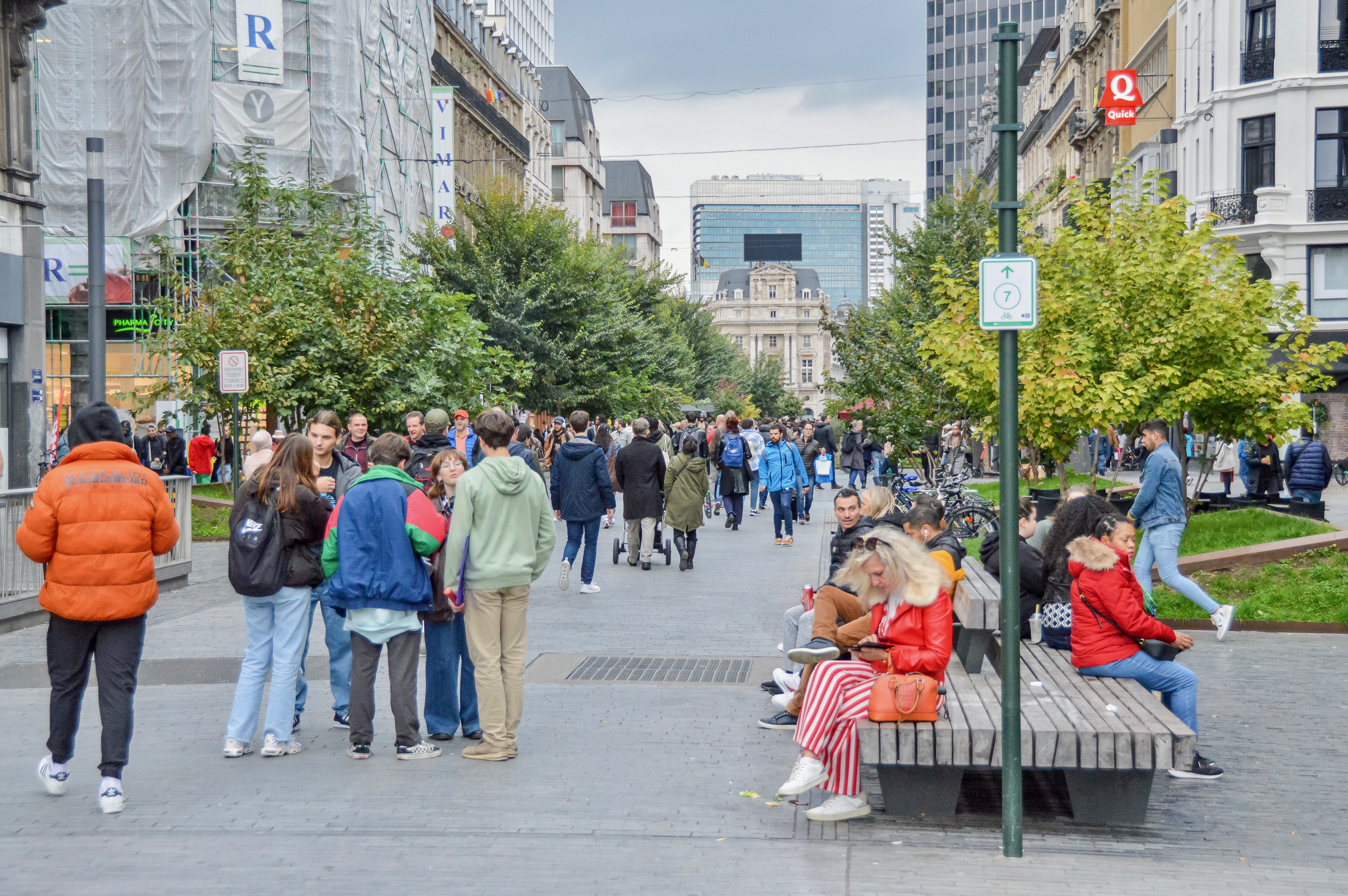
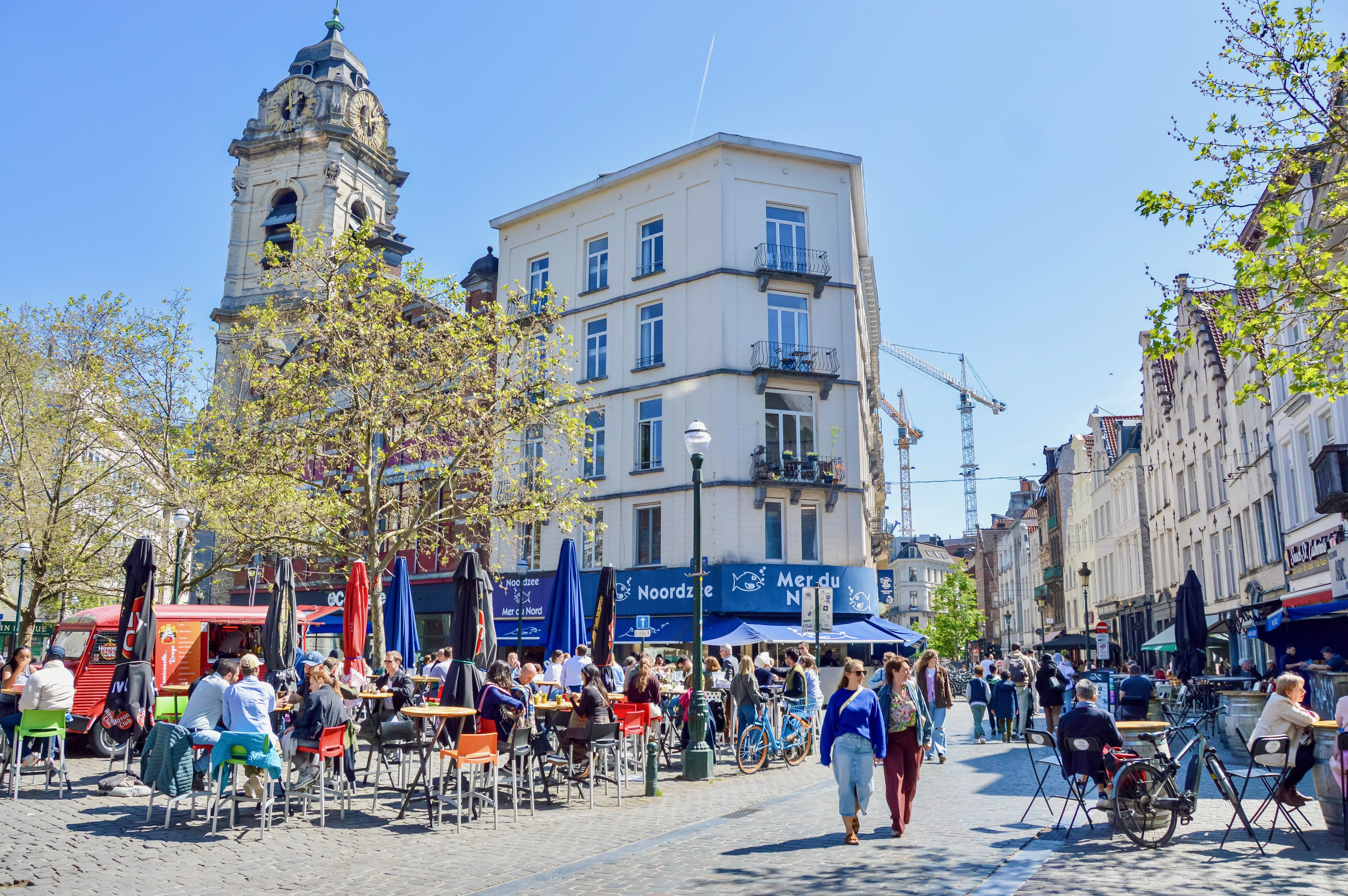
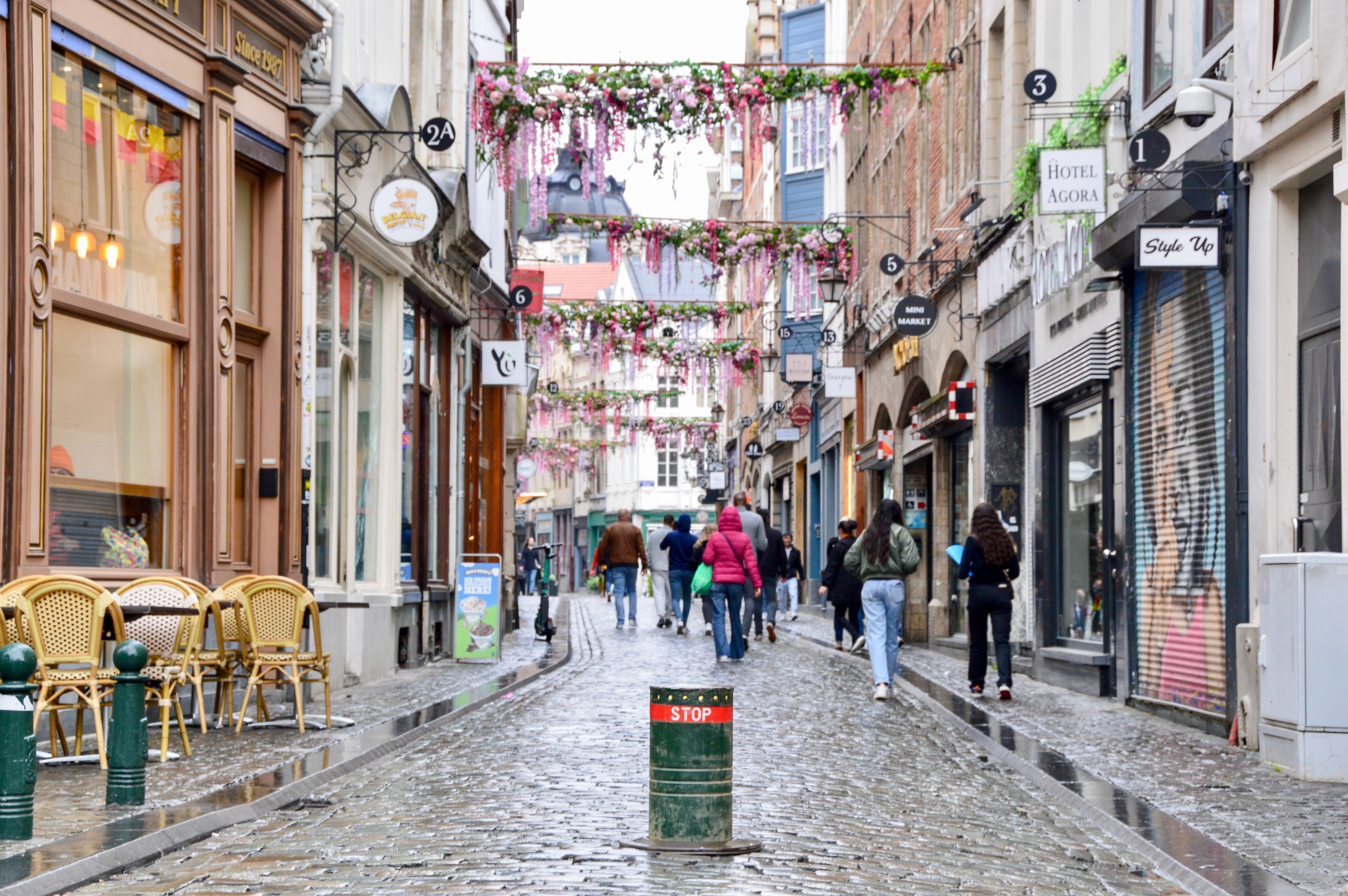
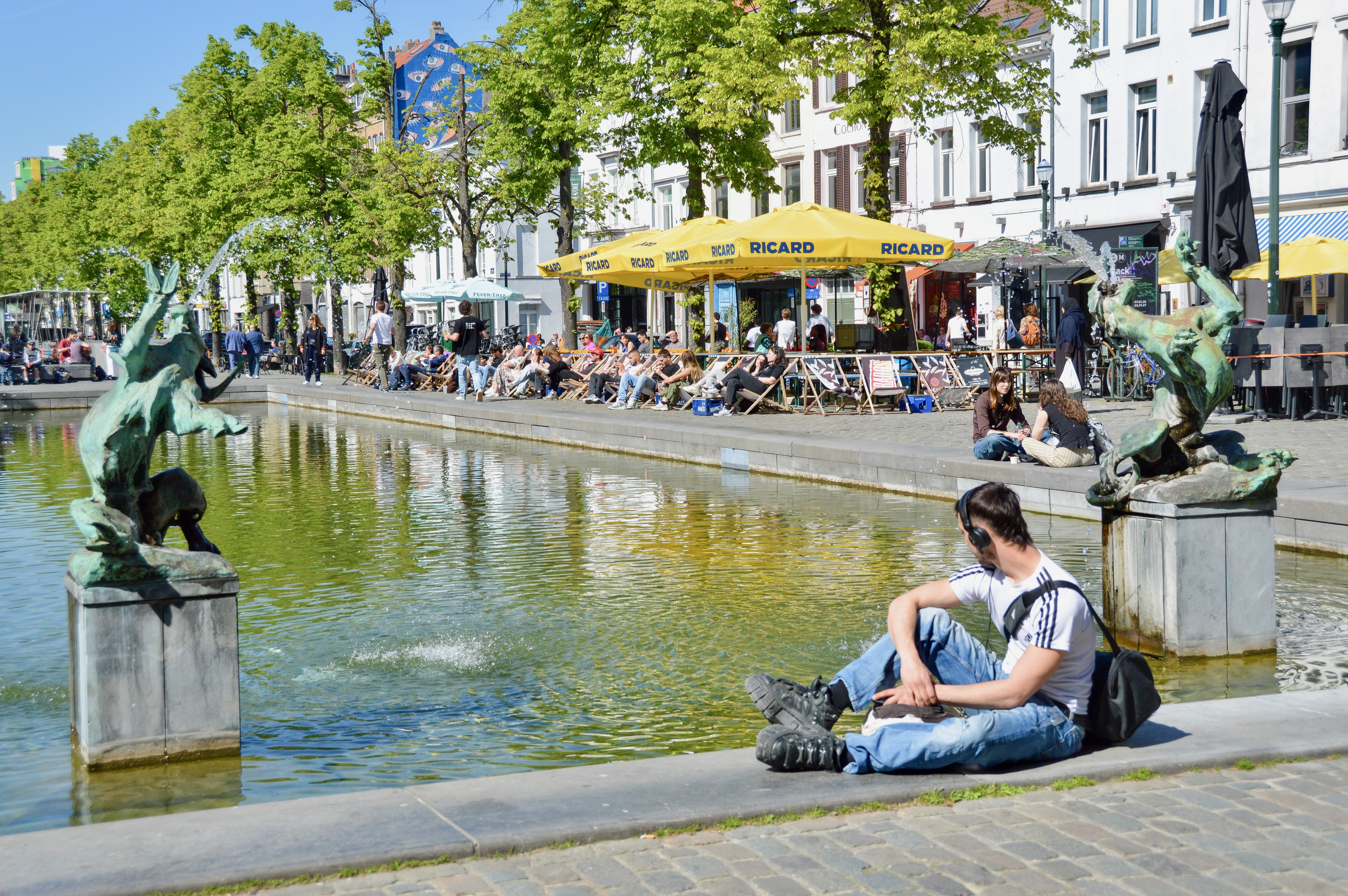
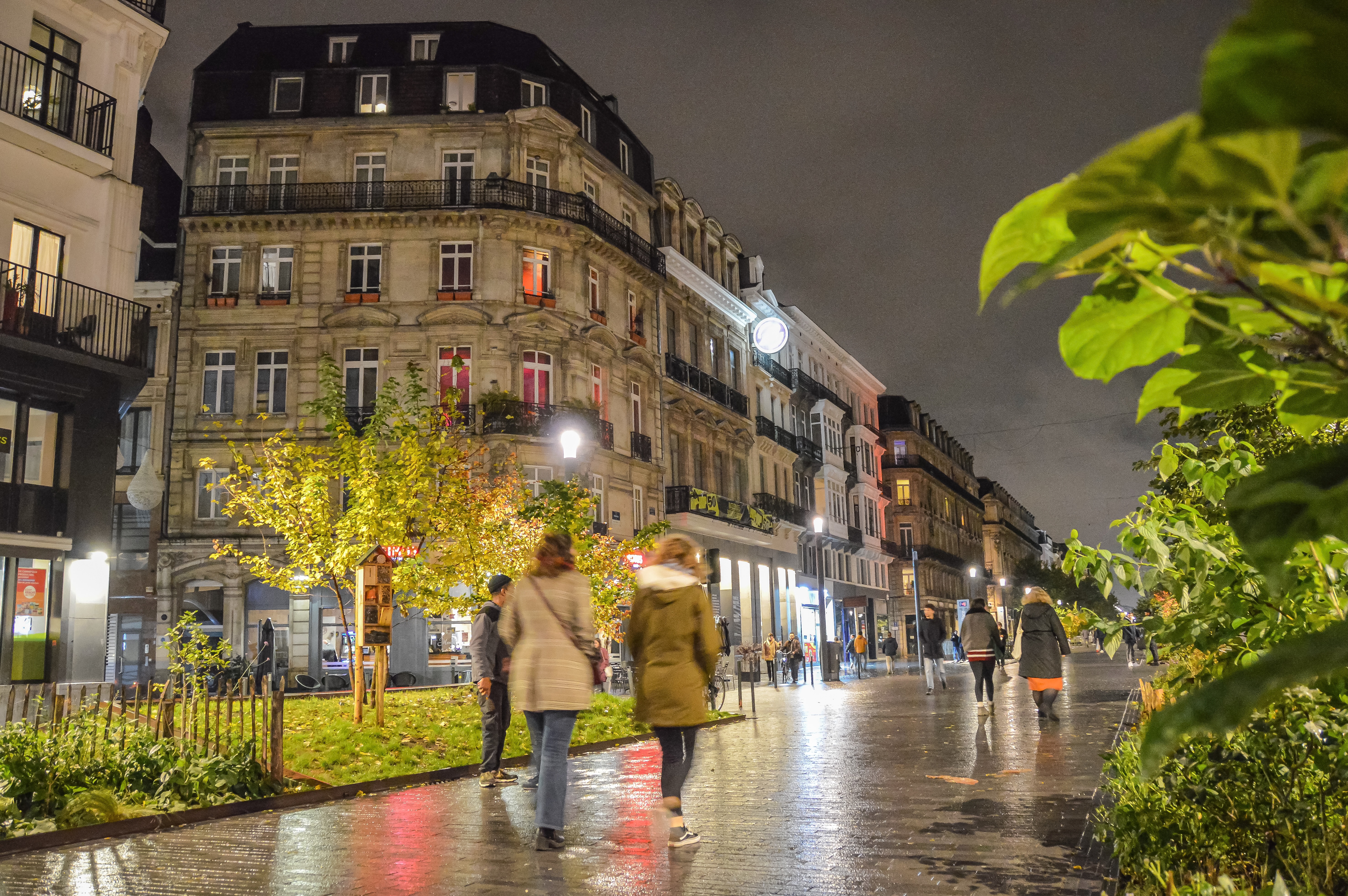
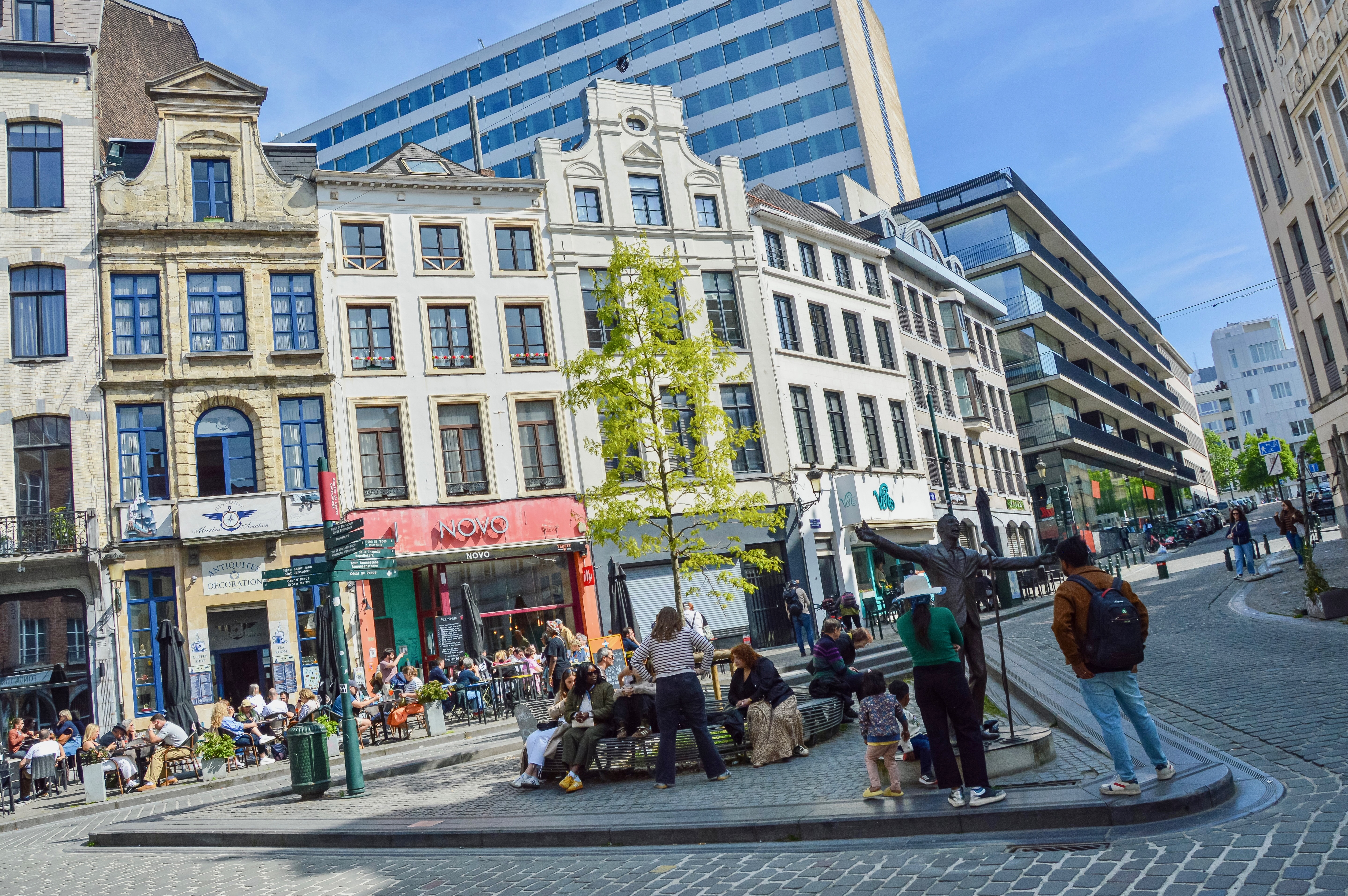
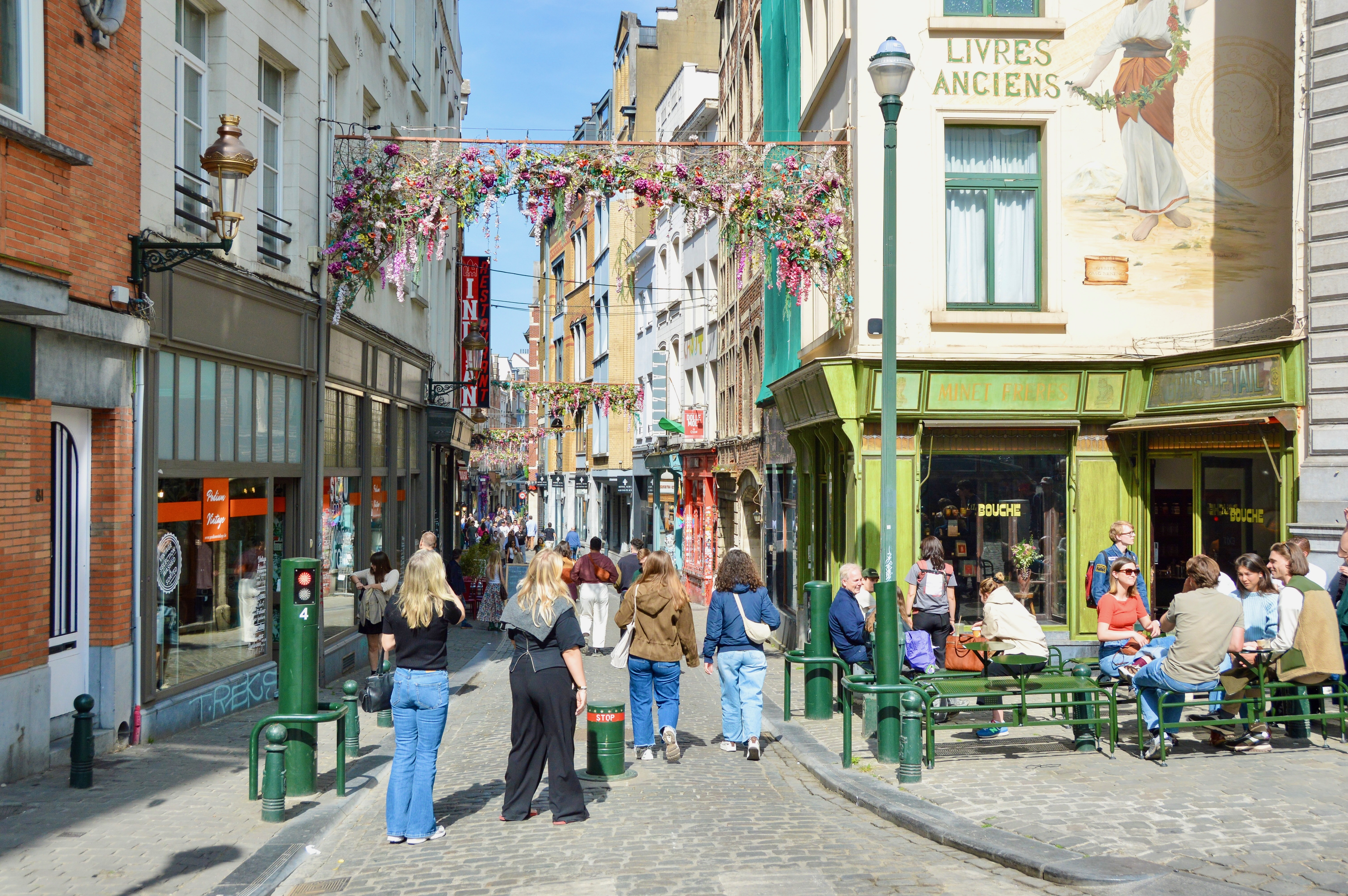
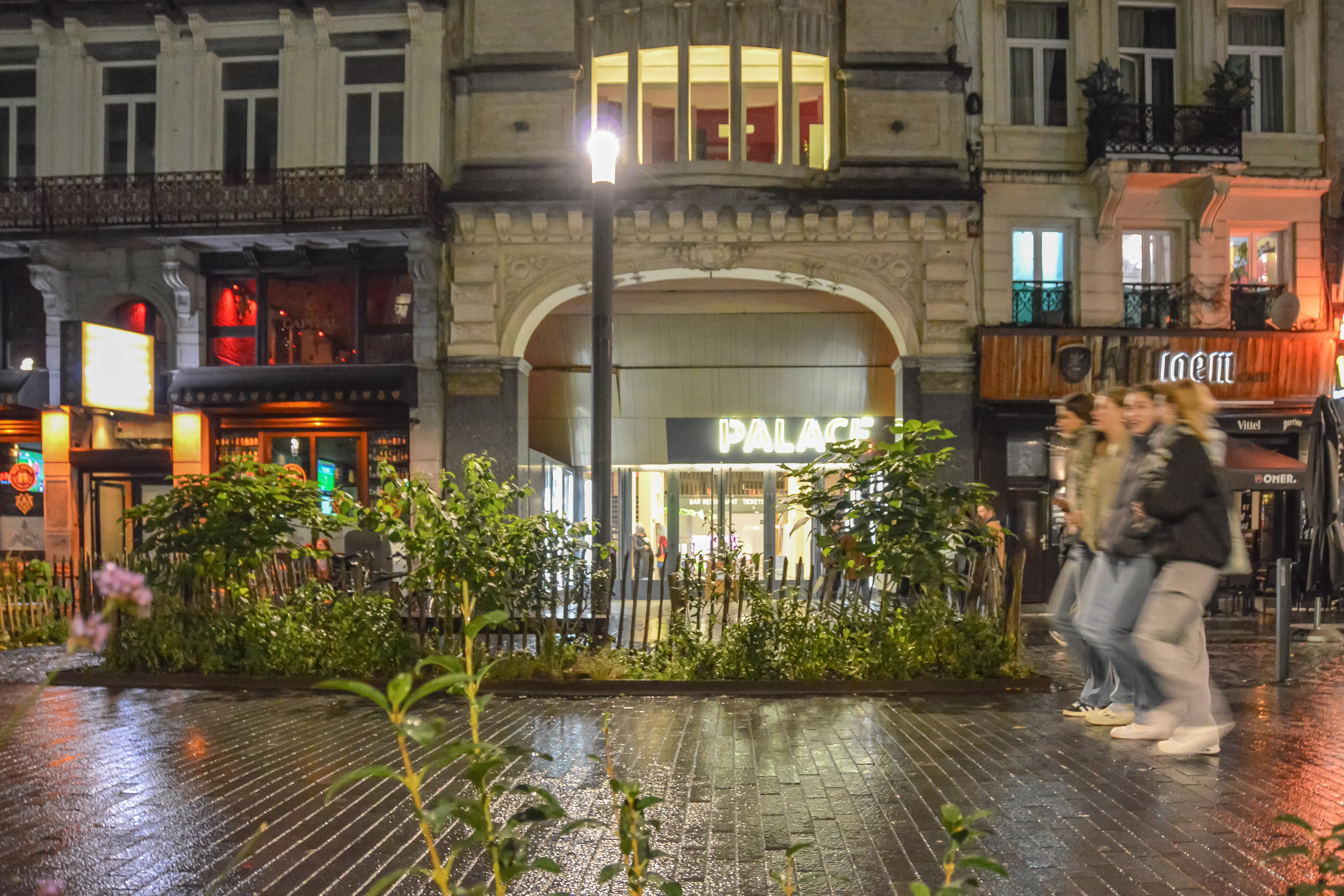
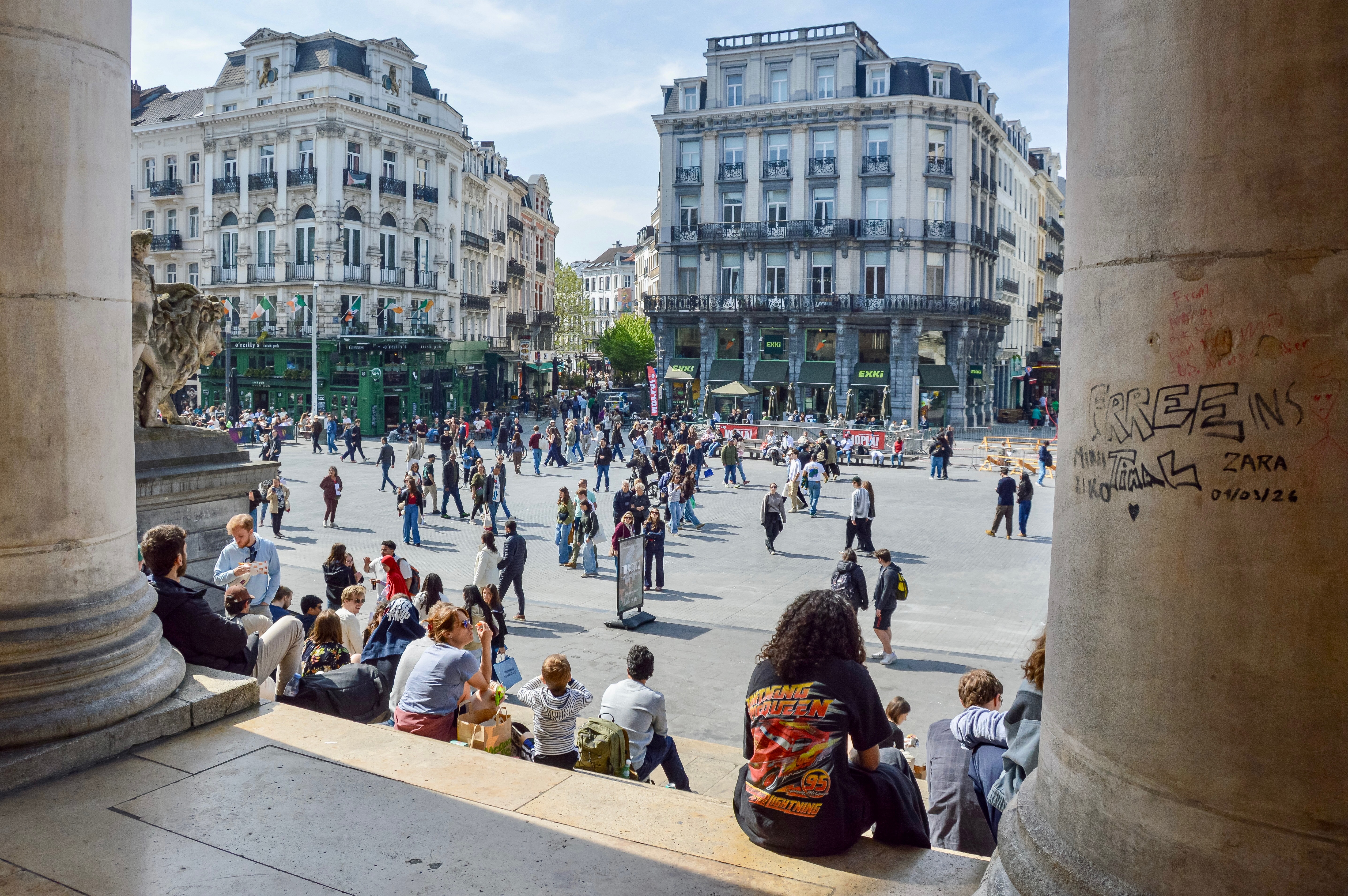
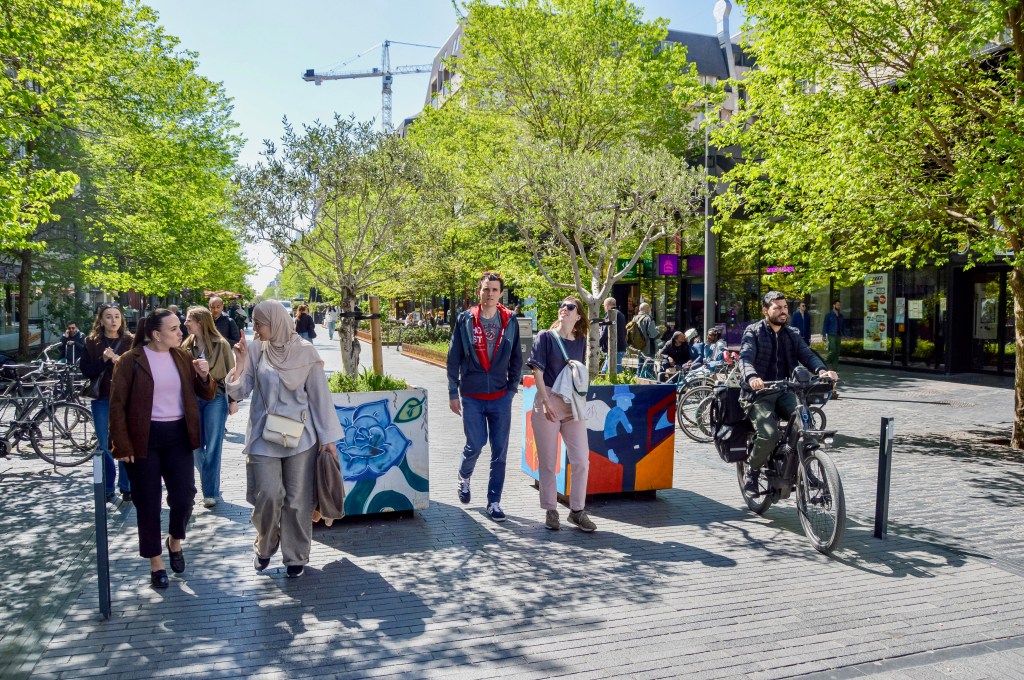
An absolute MUST for any trip to Brussels is to walk the streets of the Pentagon area, the heart of Brussels’ city centre. While you may find yourself whistfully enjoying what seems to be a historic centre that has just always been this way, the pedestrianisation of the city centre is part of the Good Move policy that was only approved in 2020. Although the Grand-Place, home to the historic City Hall and other iconic buildings that grace postcards and magnets in souvenier shops, has long been a car-free square, the surounding areas were still more welcoming to cars travelling through than the locals and visitors on foot. Thanks to the implementation of one of several traffic circulation plans, you can no walk out of the train station and Central Station and find yourself on a bustling car-free street in minutes.
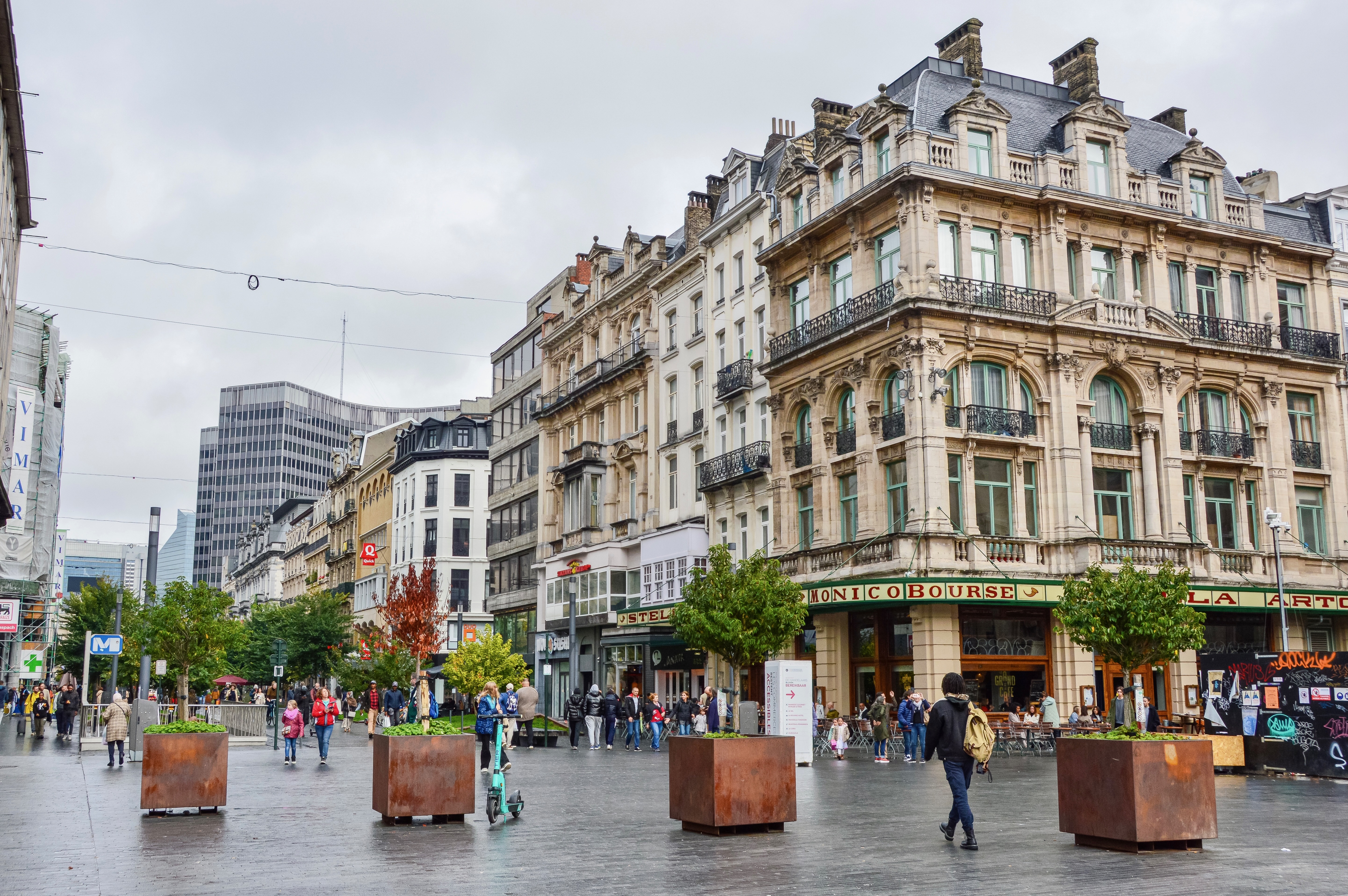
Of course, every walkable city centre has one project that becomes the backbone of future transformation, and in Brussels city centre, that is Boulevard Anspache. Once a fourlane thoroughfare directly through the heart of the city, it is now the spine of the longest pedestrian shopping area in Europe. The result of the ‘Picnic the Streets’ citizen protest in 2008 where citizens set up picnic blankest and took over the car space to demand more space for people in their city, the expansion of the car-free streets has been referred to by local leaders as an oil spill that keeps spreading every year.
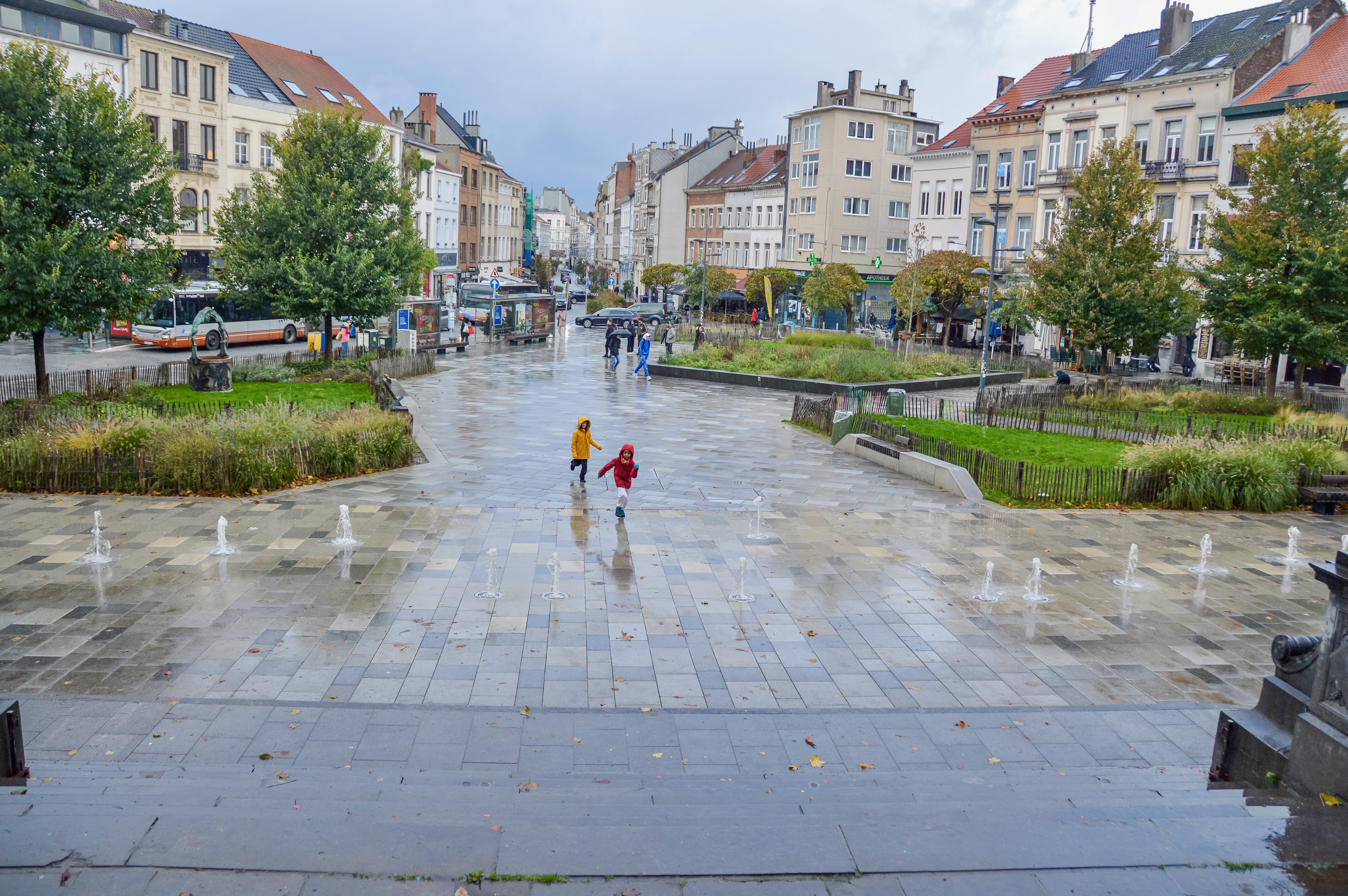
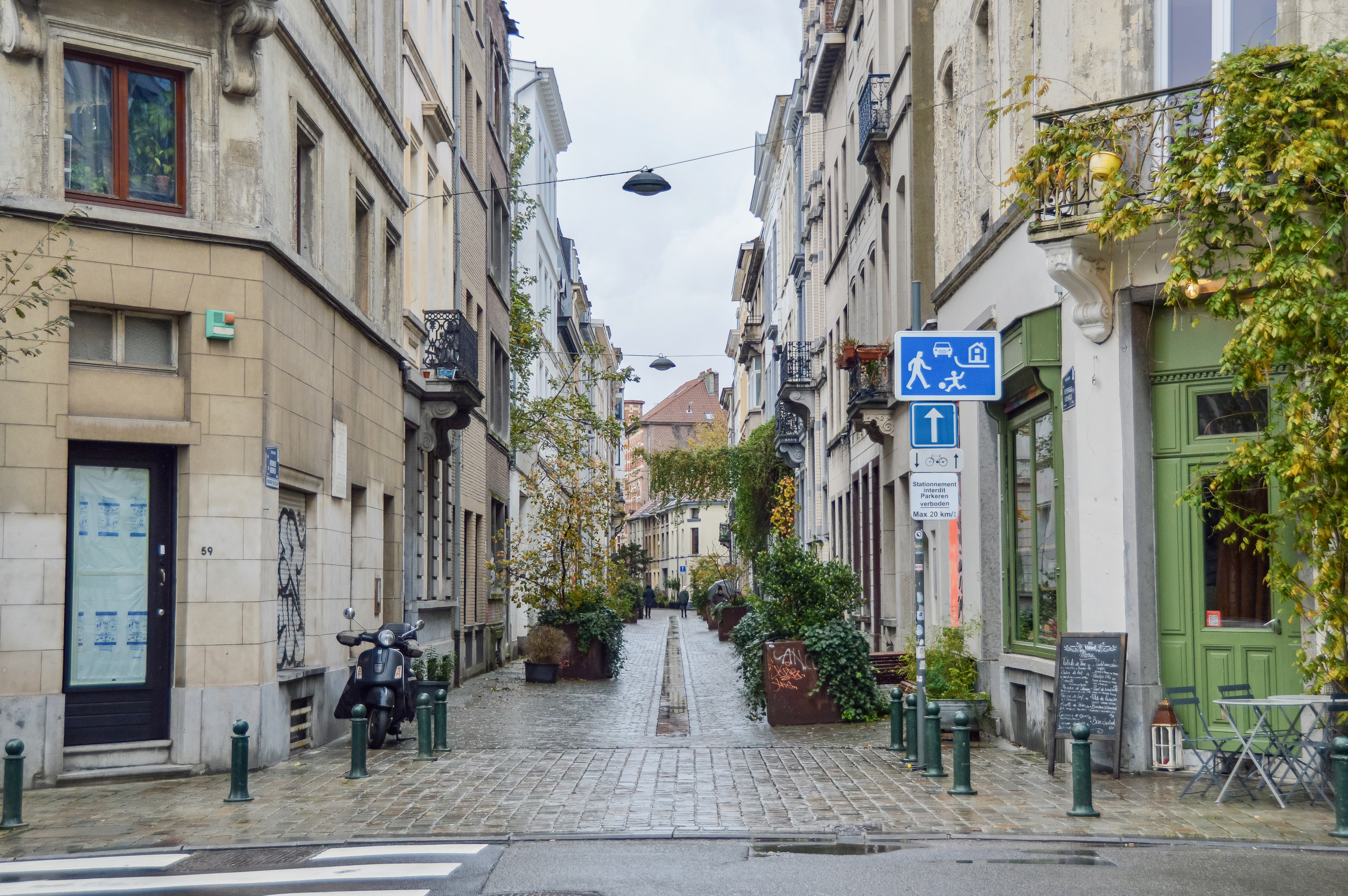
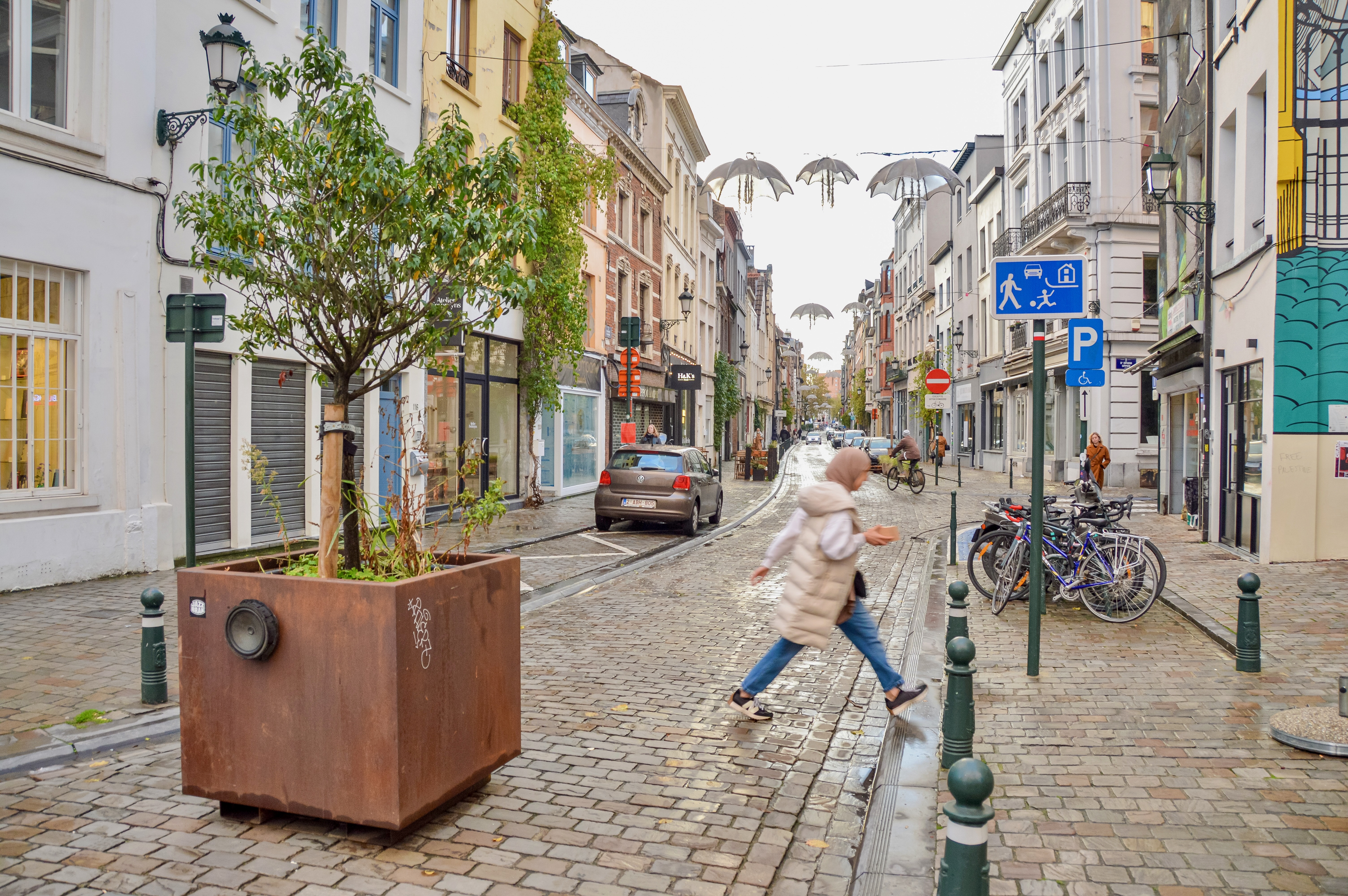
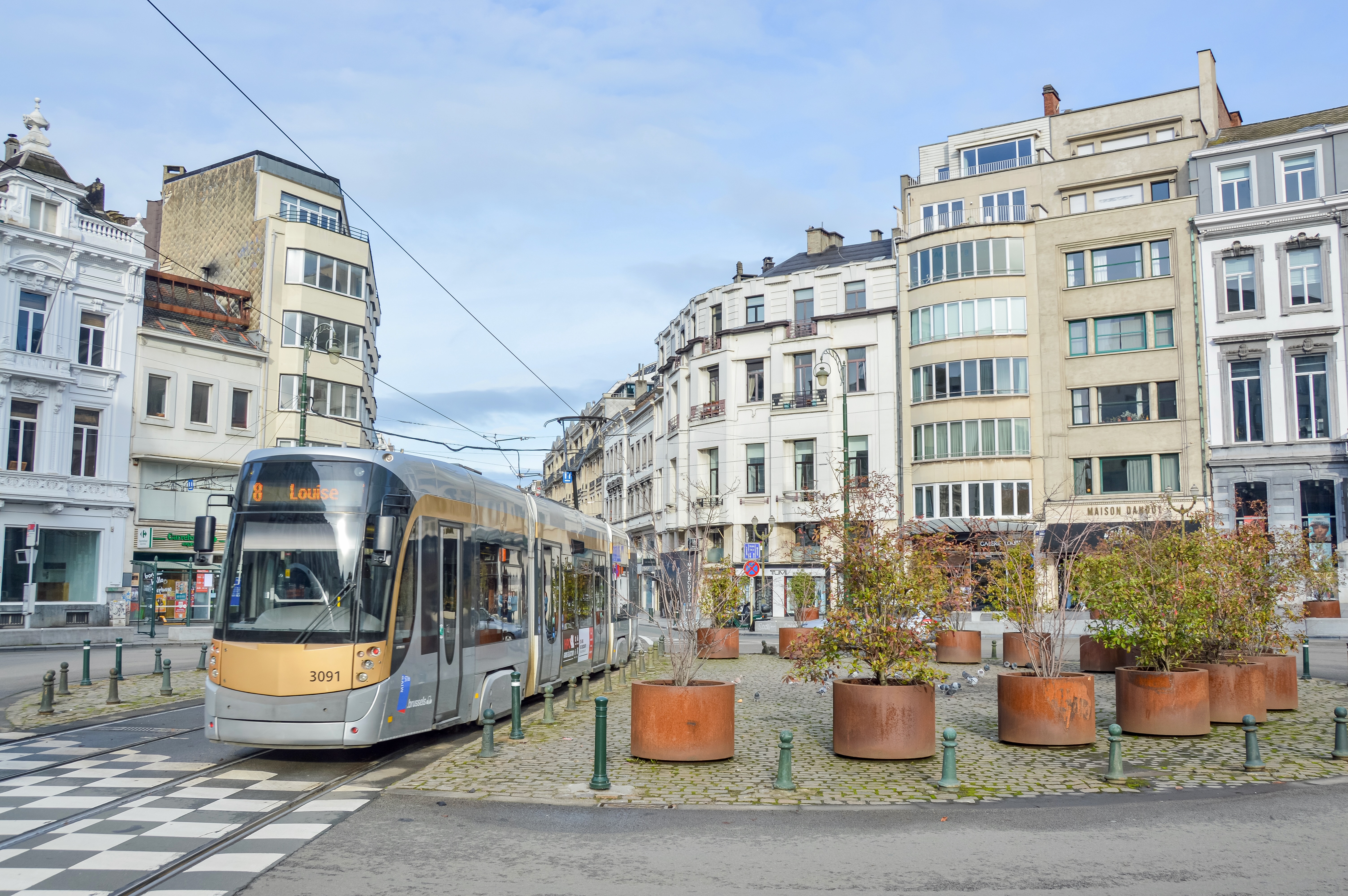
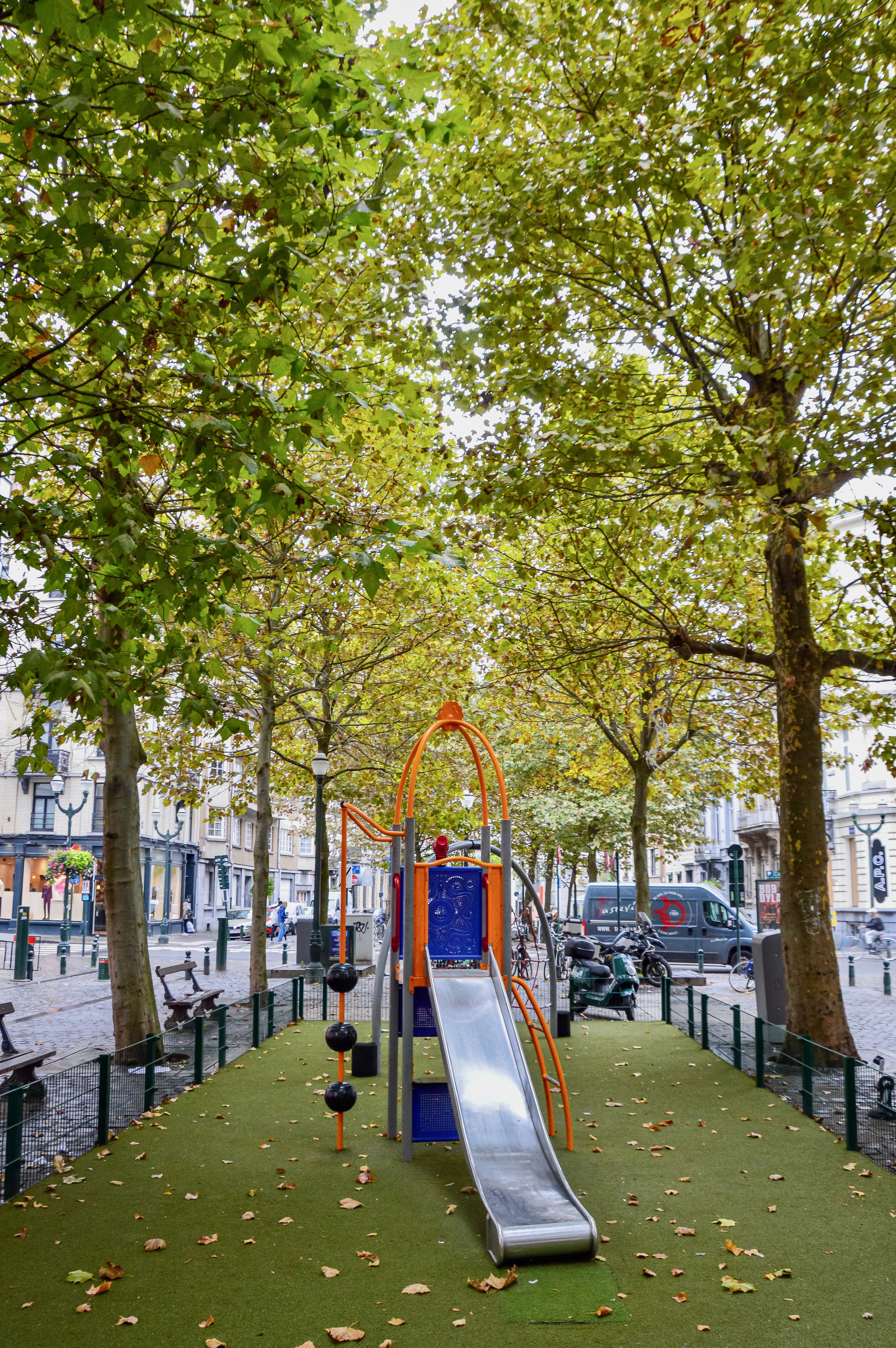
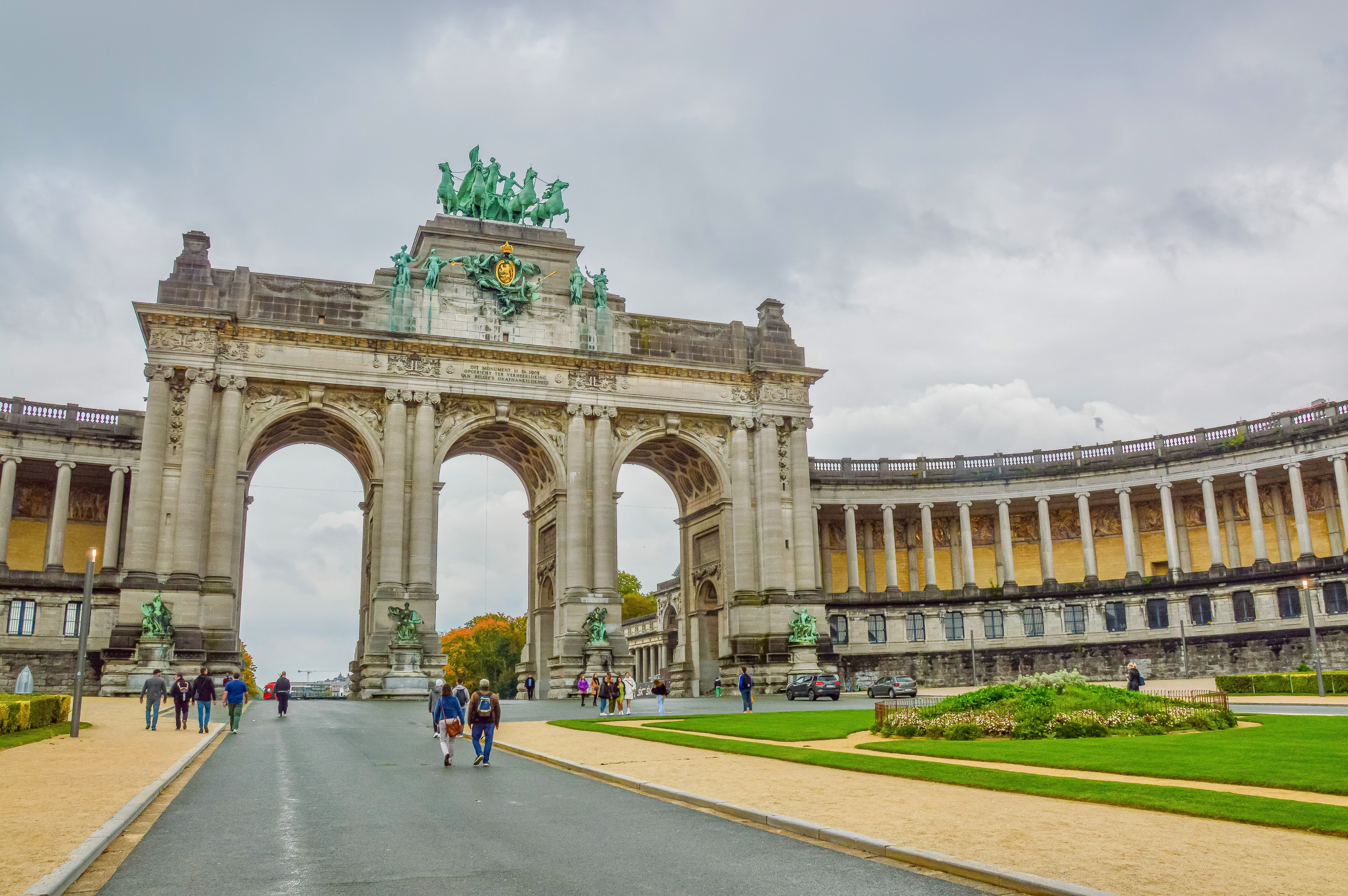
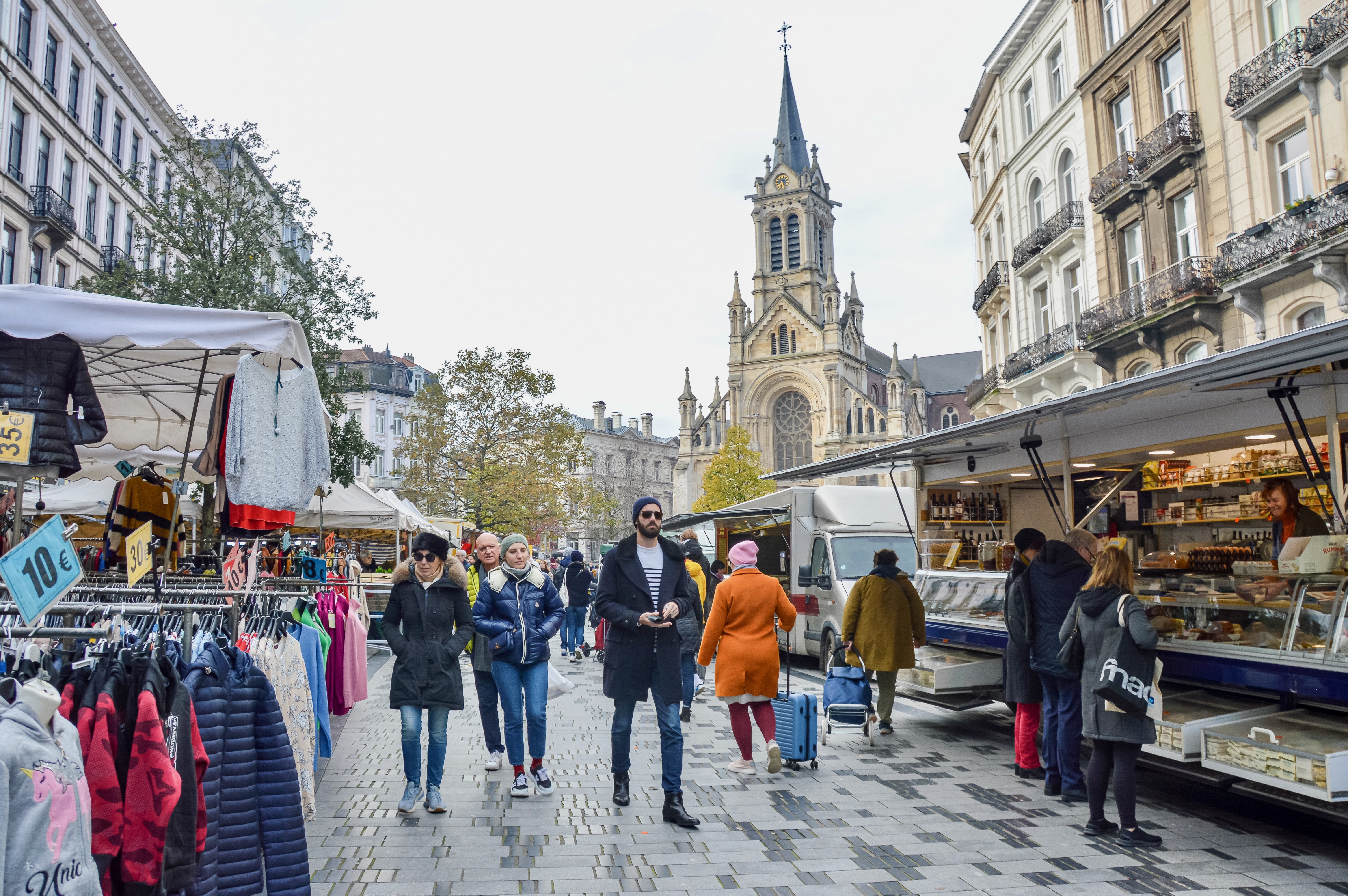
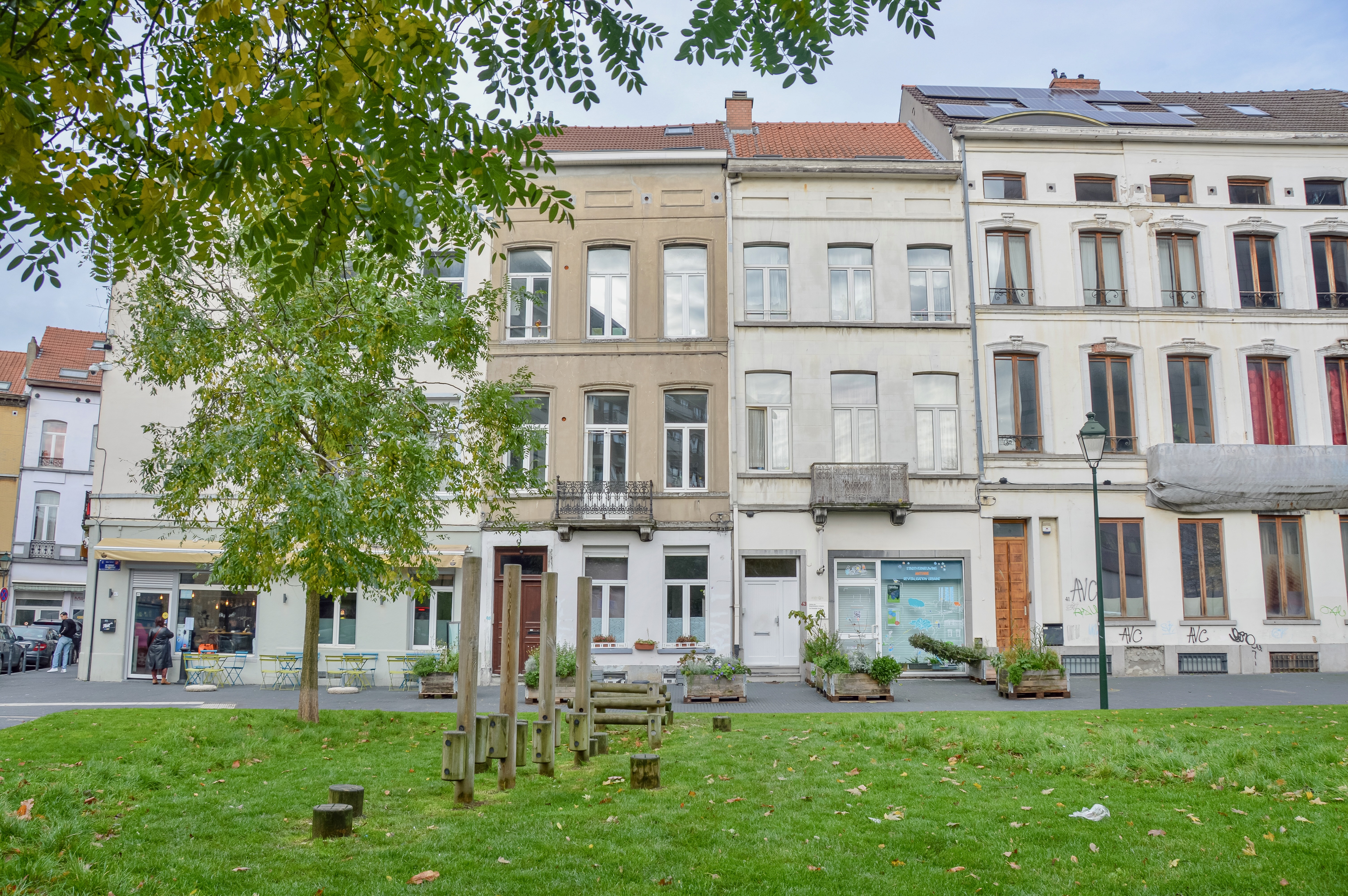
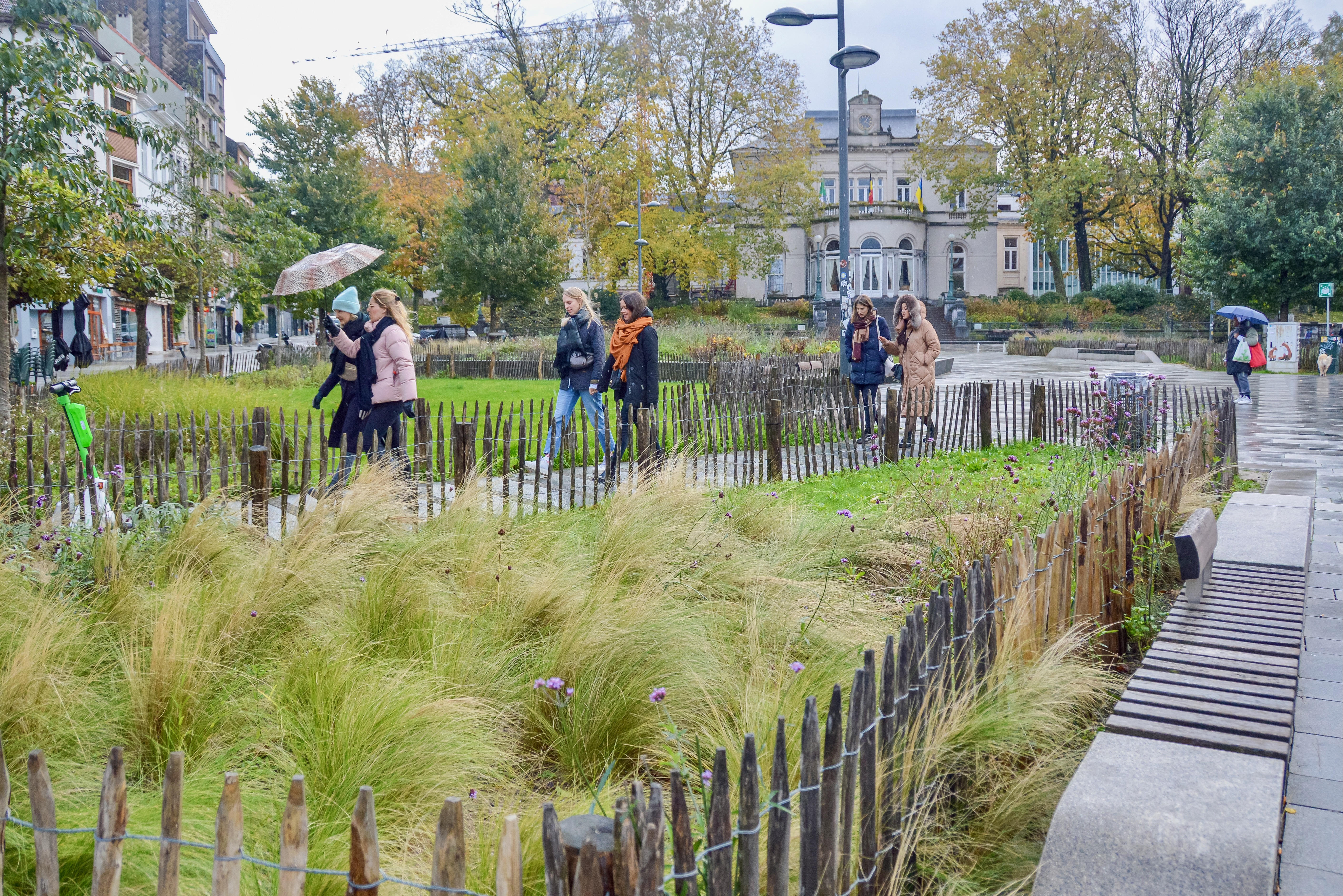
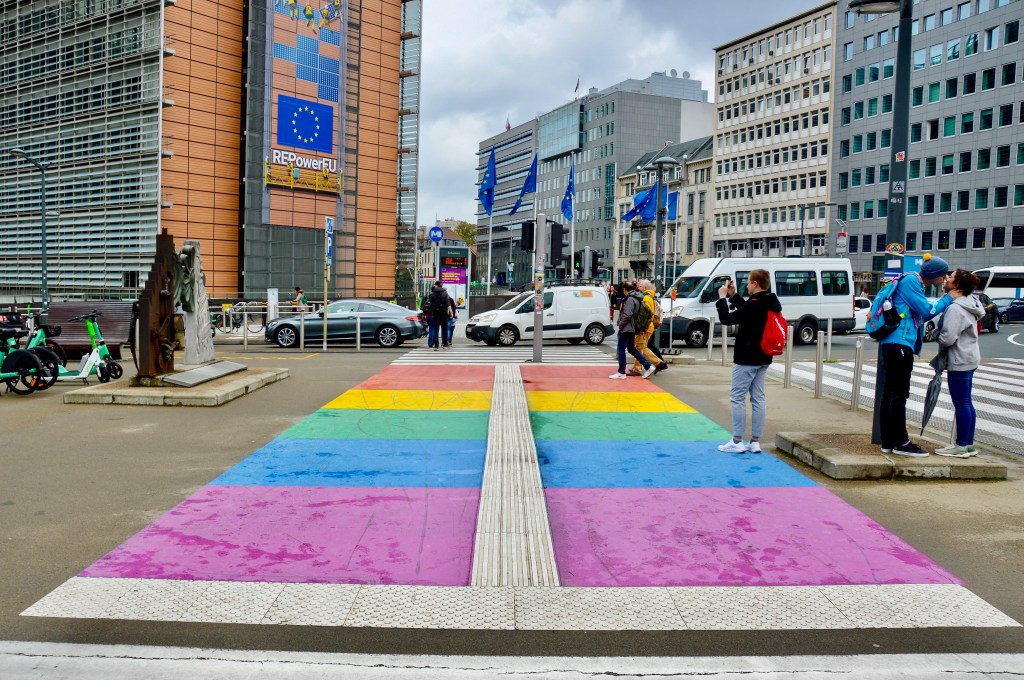
And it is spreading not just in the centre, but throughout the city as well. As we speak, the intersection of several critical arteries just outside the EU Commission is under transformation from chaotic 4-lane roundabout to one with ample space for walking, cycling, and even staying along the now completely pedestrianised stretch of Wetsraat that leads you into the green lushness of Parc du Cinqantenaire. Or wander through neighbourhoods like Ixelles and Saint-Gilles away from the centre where historically car-choked streets are being upgraded into wonderful, green, and vibrant public spaces.
Cycling in Brussels: Not just for the brave anymore
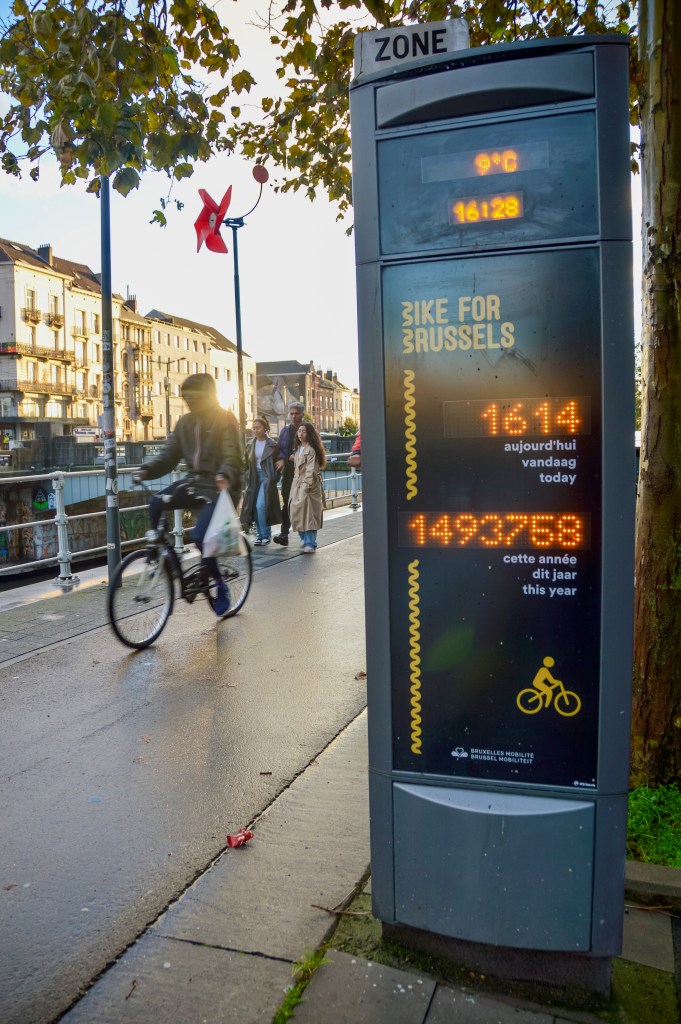
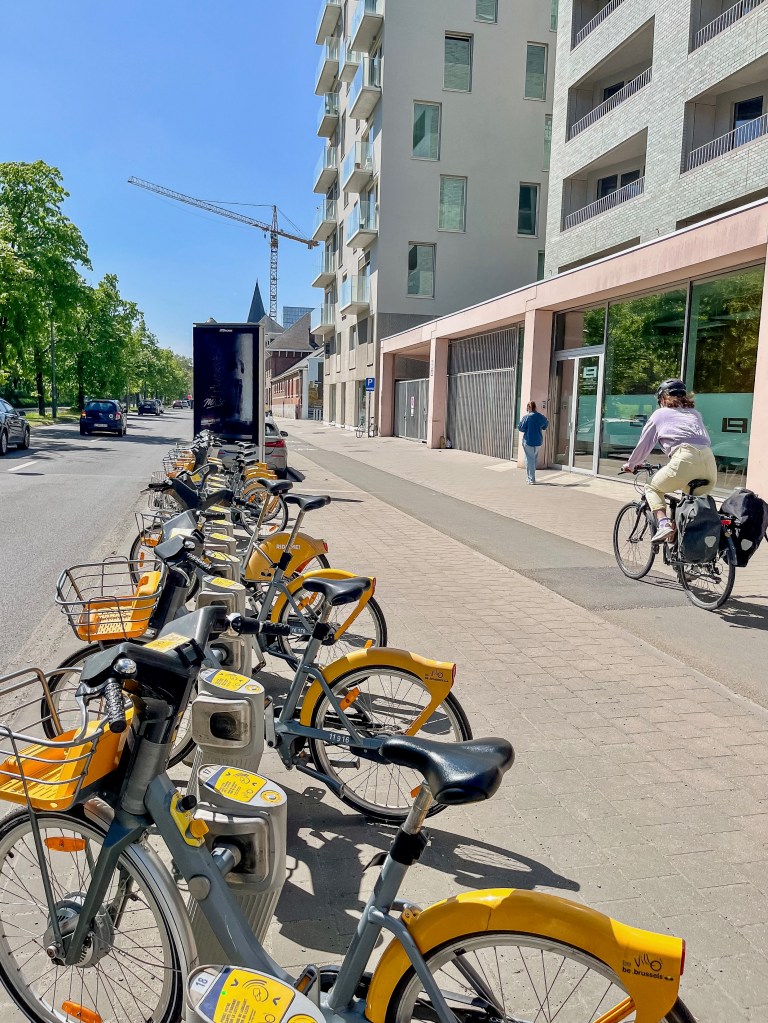
Like many European captils, Brussels has also been a notoriously hostile place for pedal-powered travel. But also like Paris, Berlin, Barcelona, and countless others, that is changing in part because of a recognition that to respond to COVID, Brusssels needed to do something different.
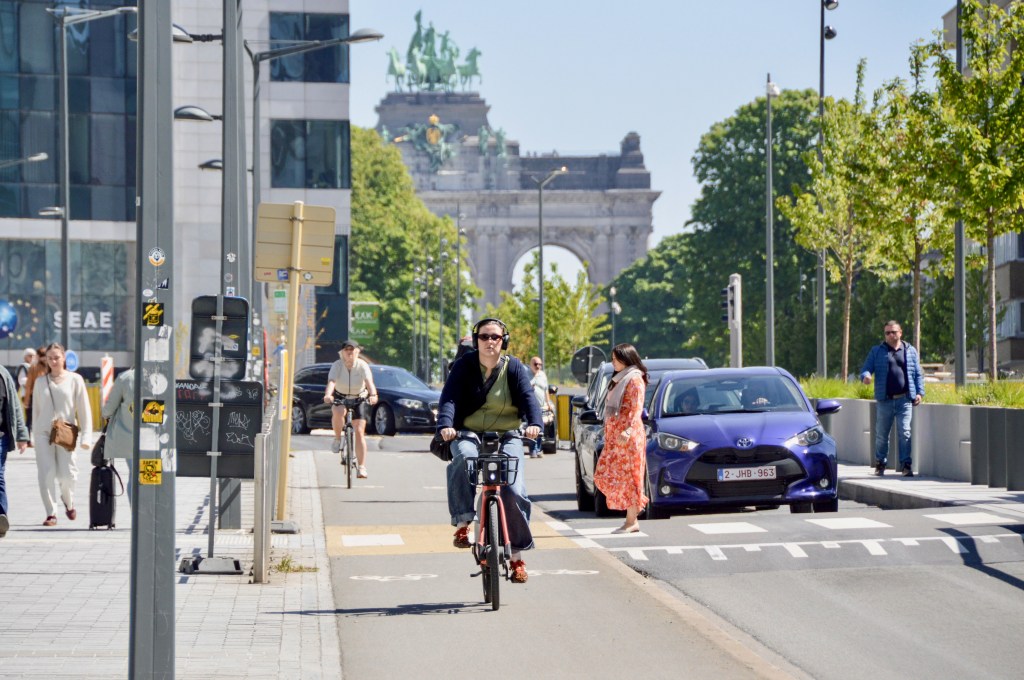
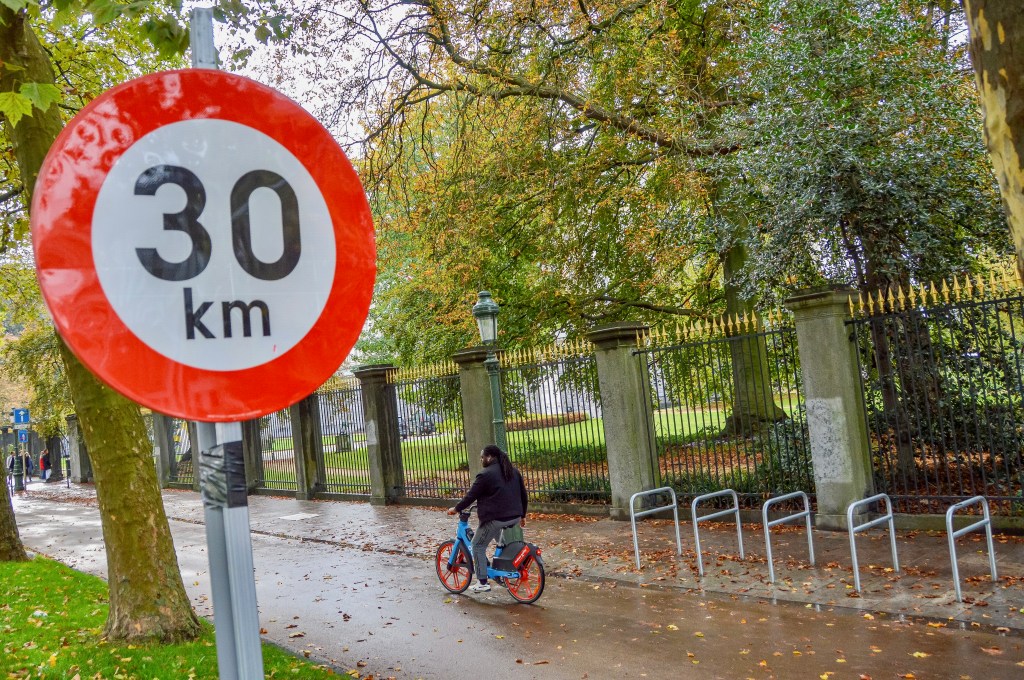
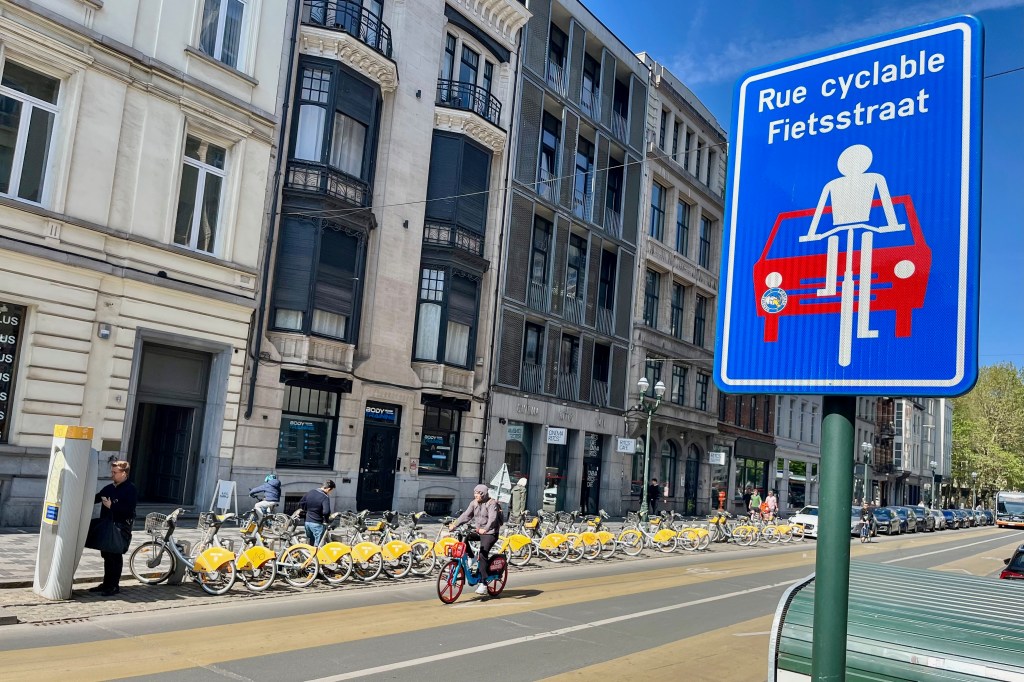
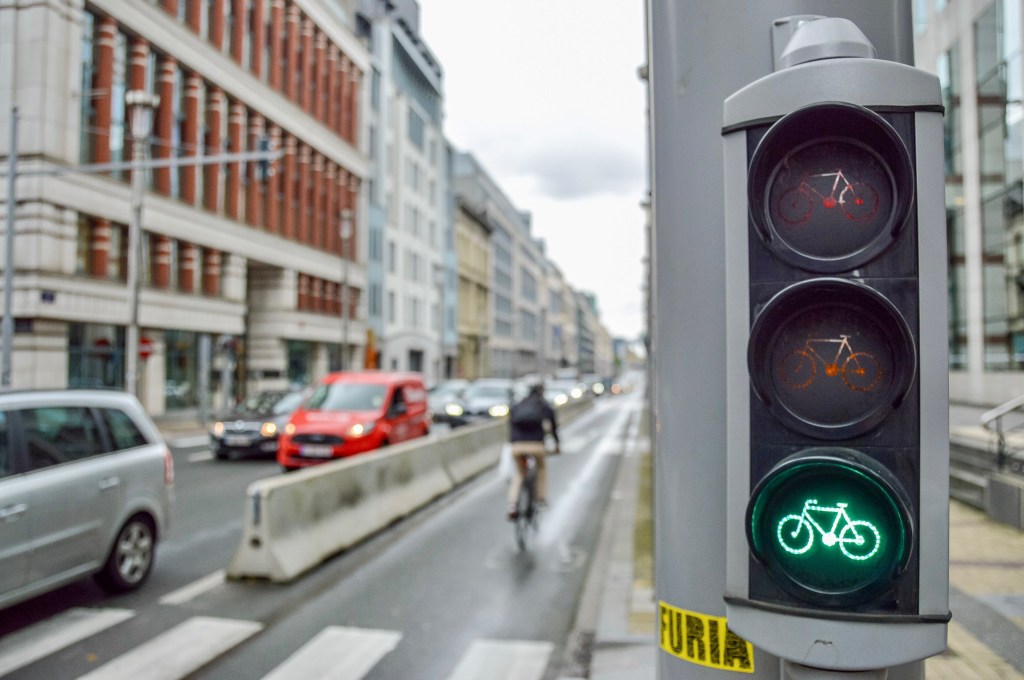
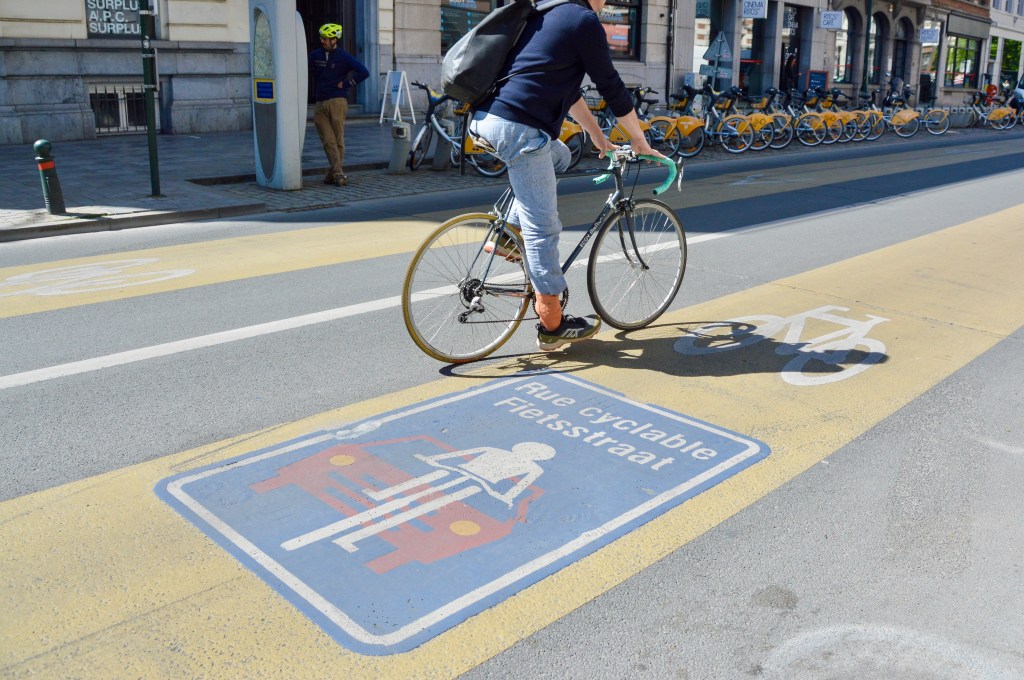
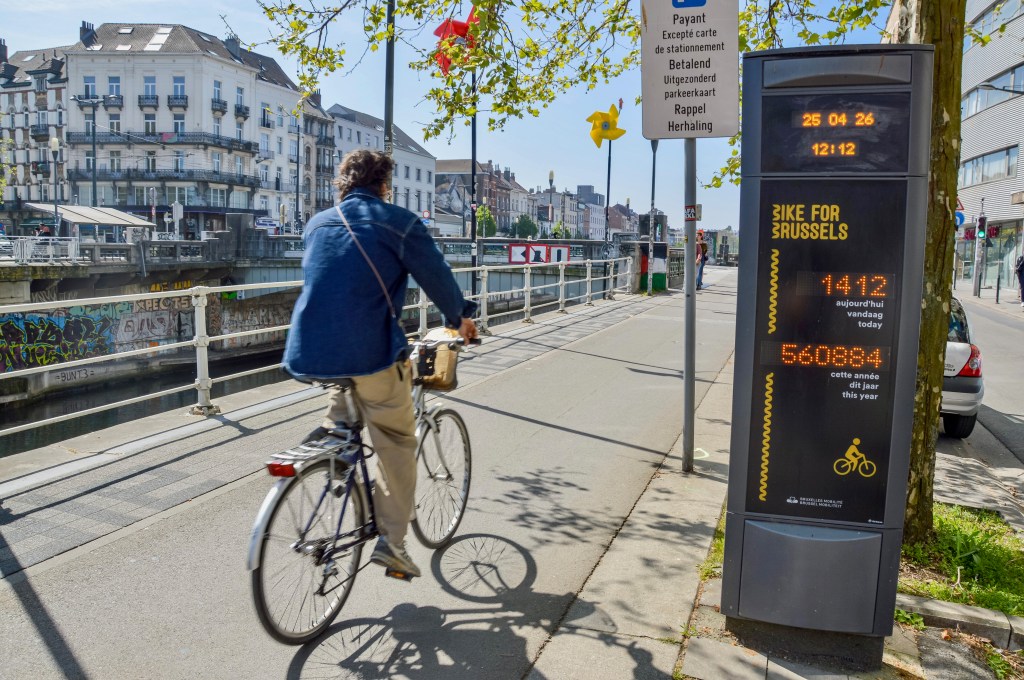
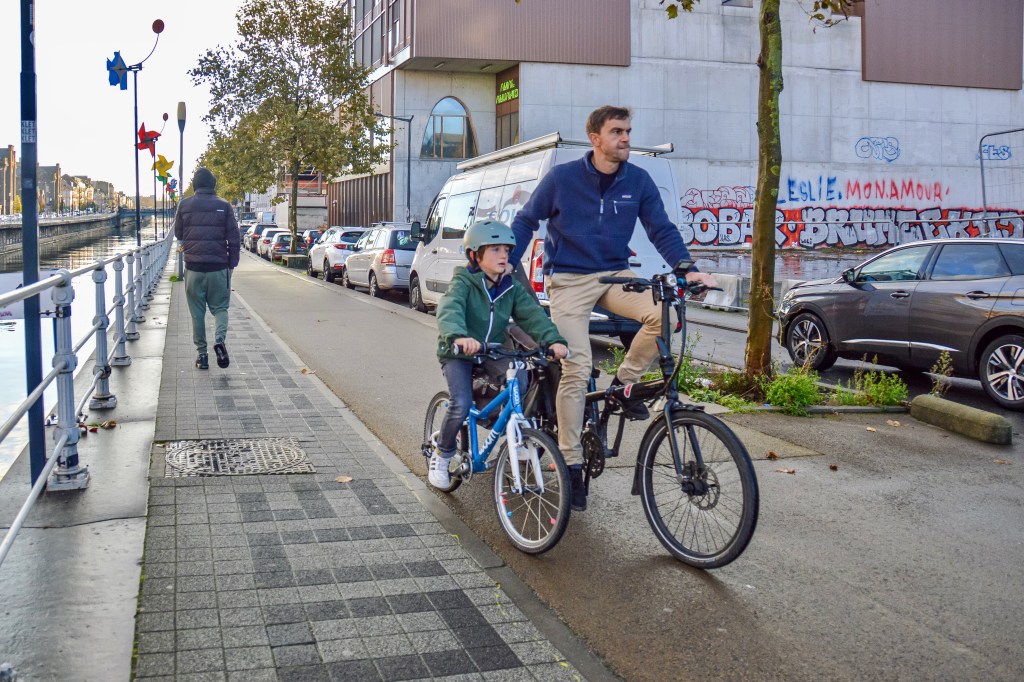
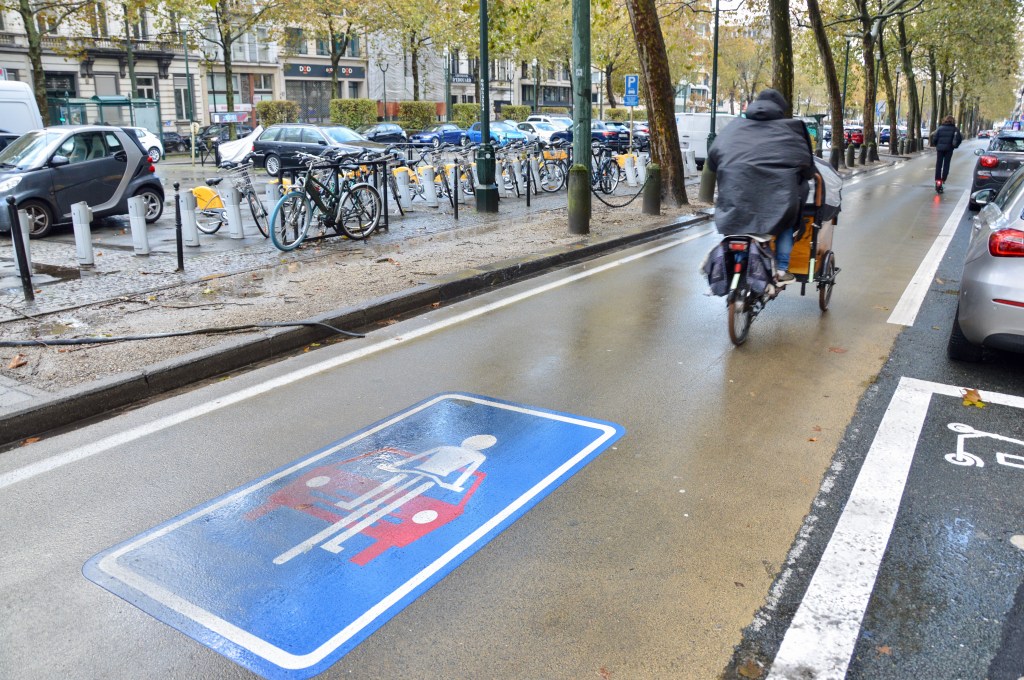
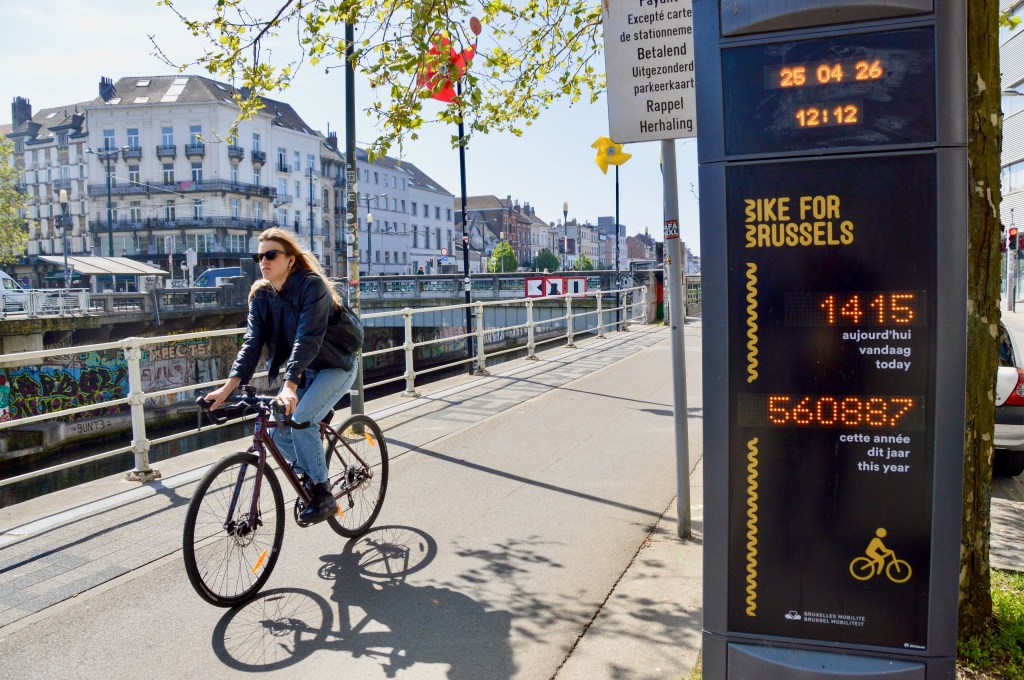
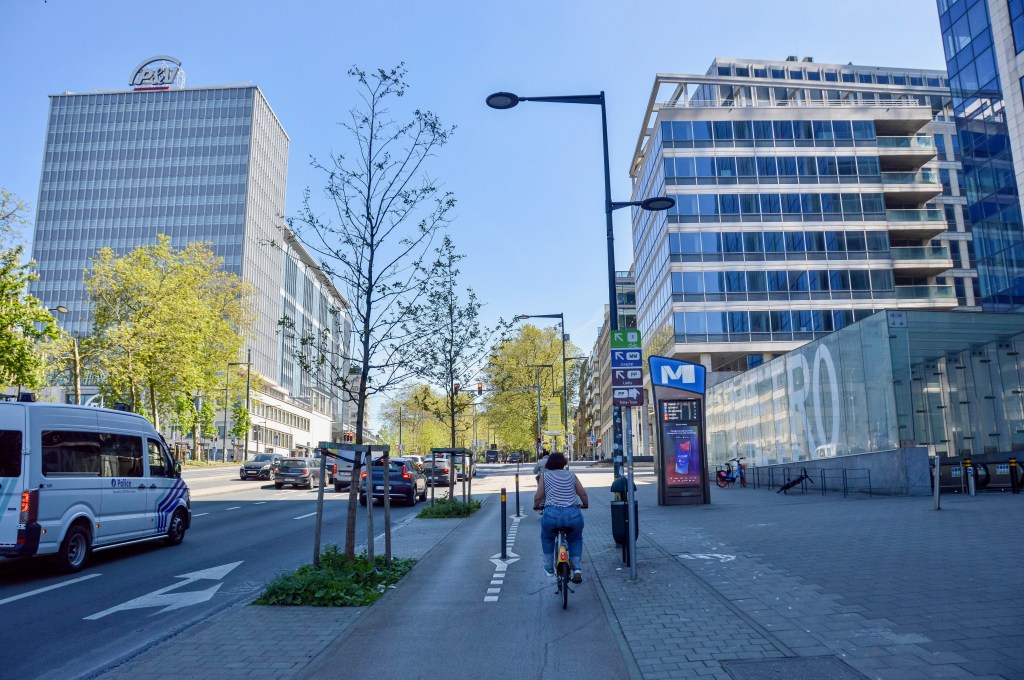
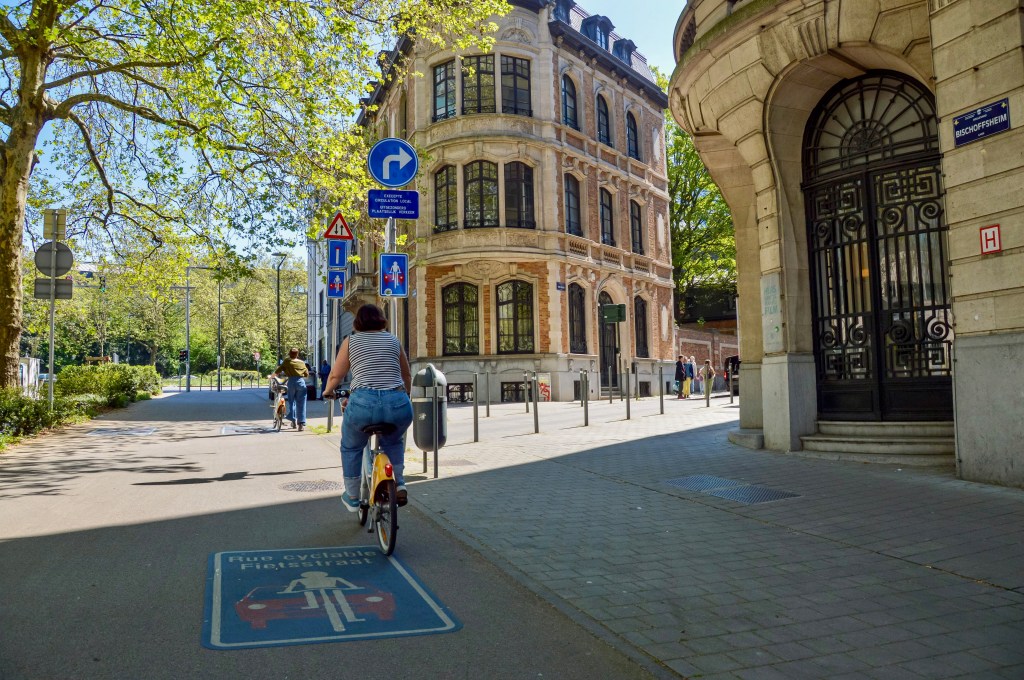
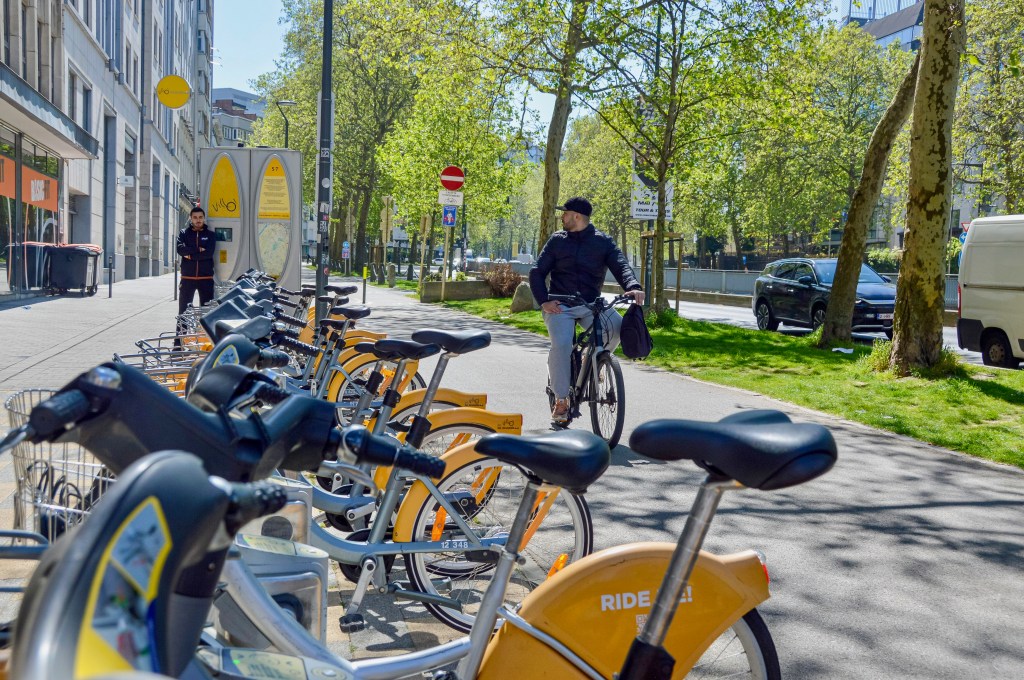
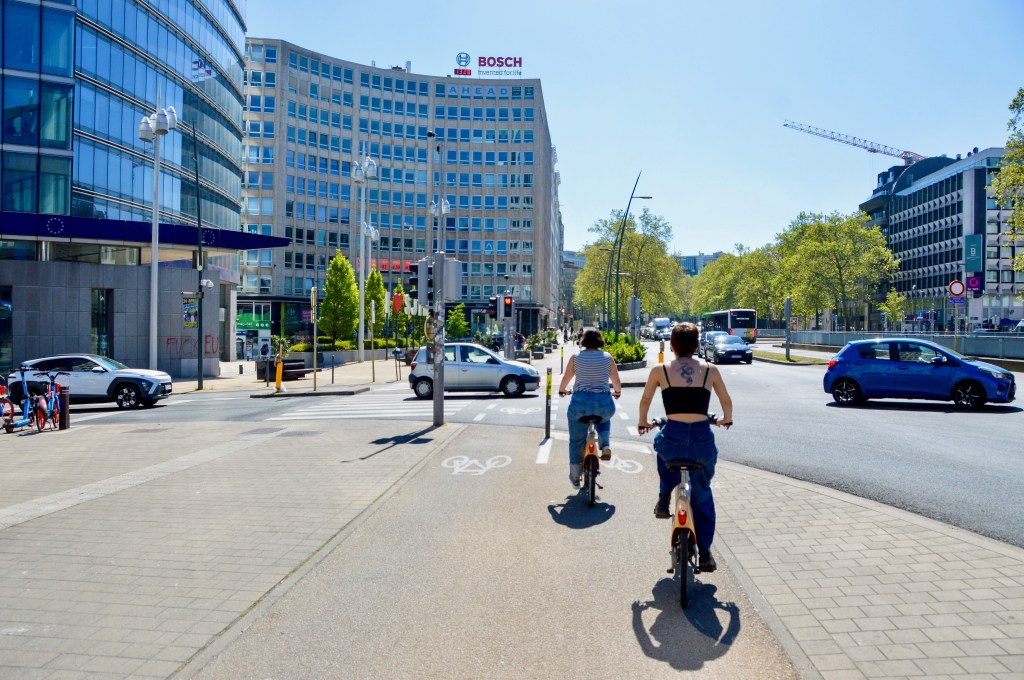
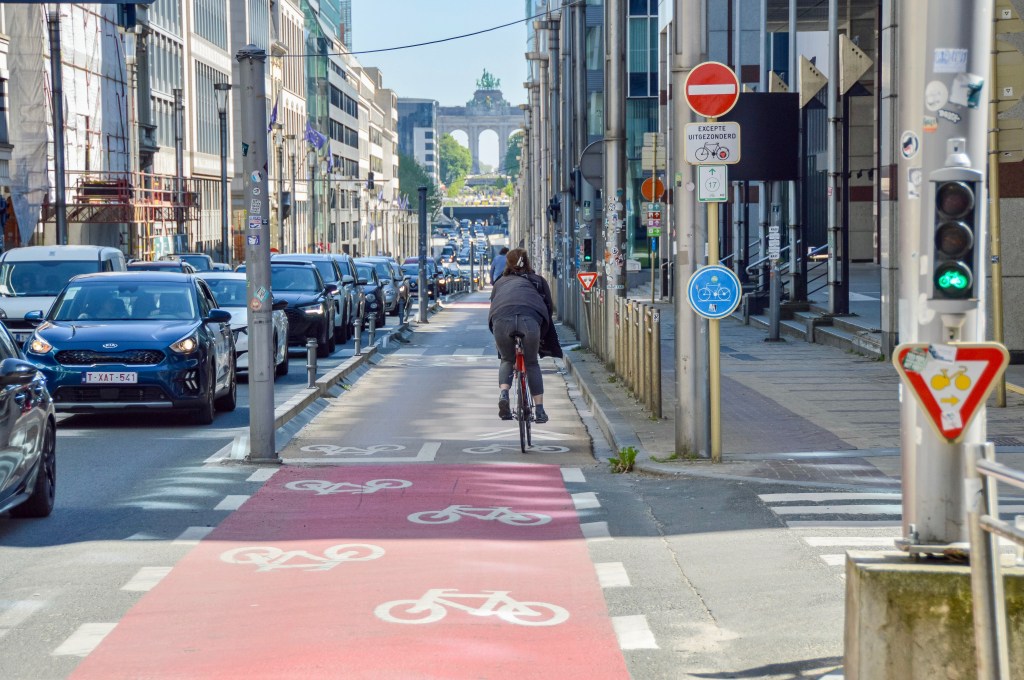
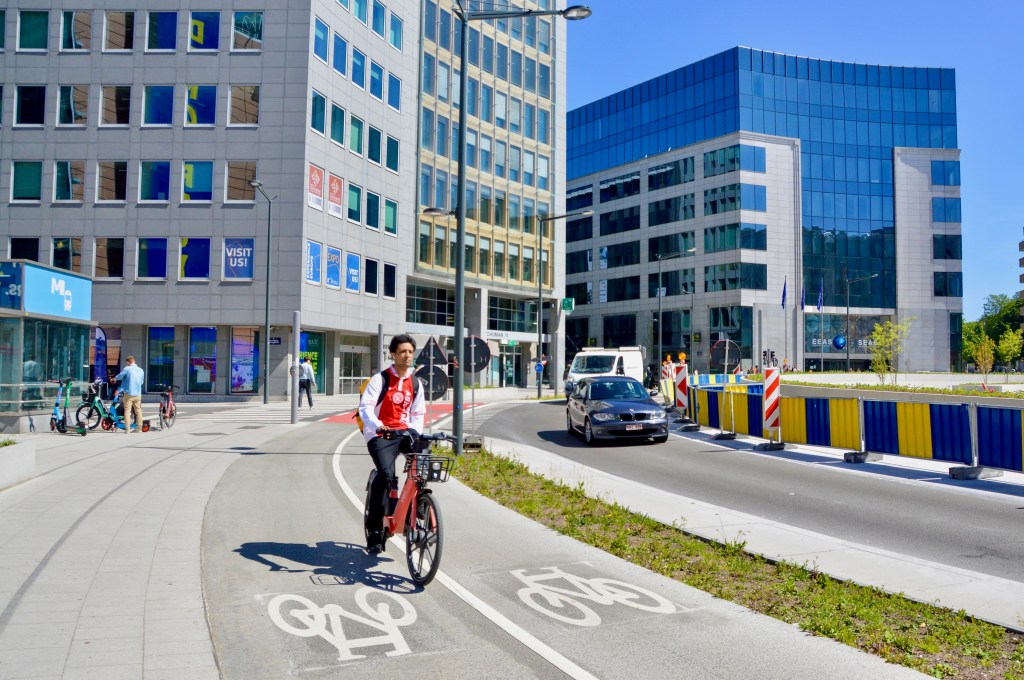
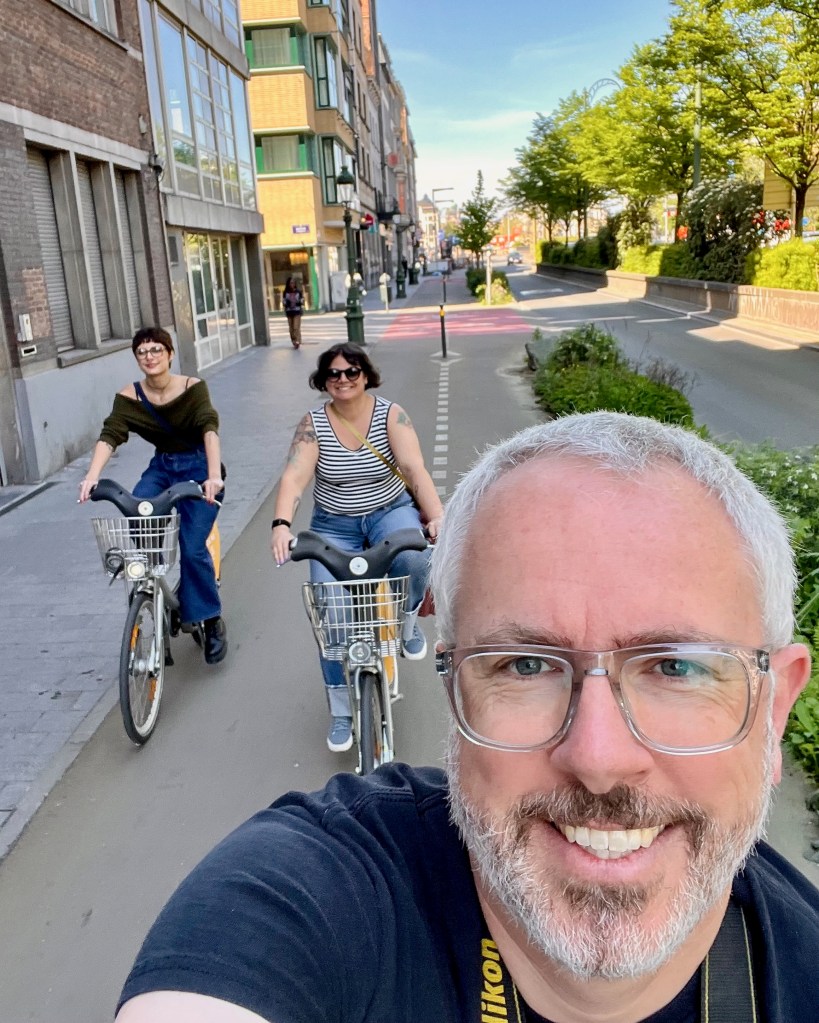
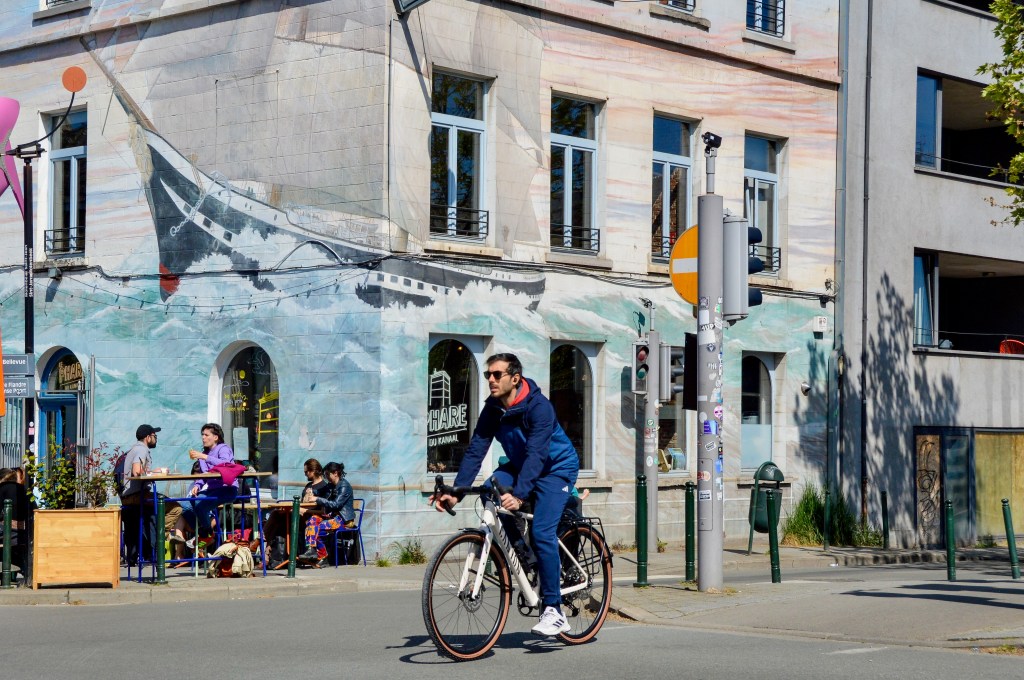
As part of the Good Move policy, on January 1, 2021, a city-wide 30-km per hour speed limit was implemented, and with it, the expansion of Brussels’ cycling network. This includes an increasing number of fietsstraeten (cycle streets) throughout the city, as well as a rapid implementation of 40-kilometres of pop-up cycle lanes, many of which have now become permanent. On each visit to the city we discover another new, fully separated cycling route, like along Rue des Arts (conveniently home to the European Cyclists’ Federation), which connects to the EuroVelo Route 5 if you happen to be doing a bit of a cycle tour.
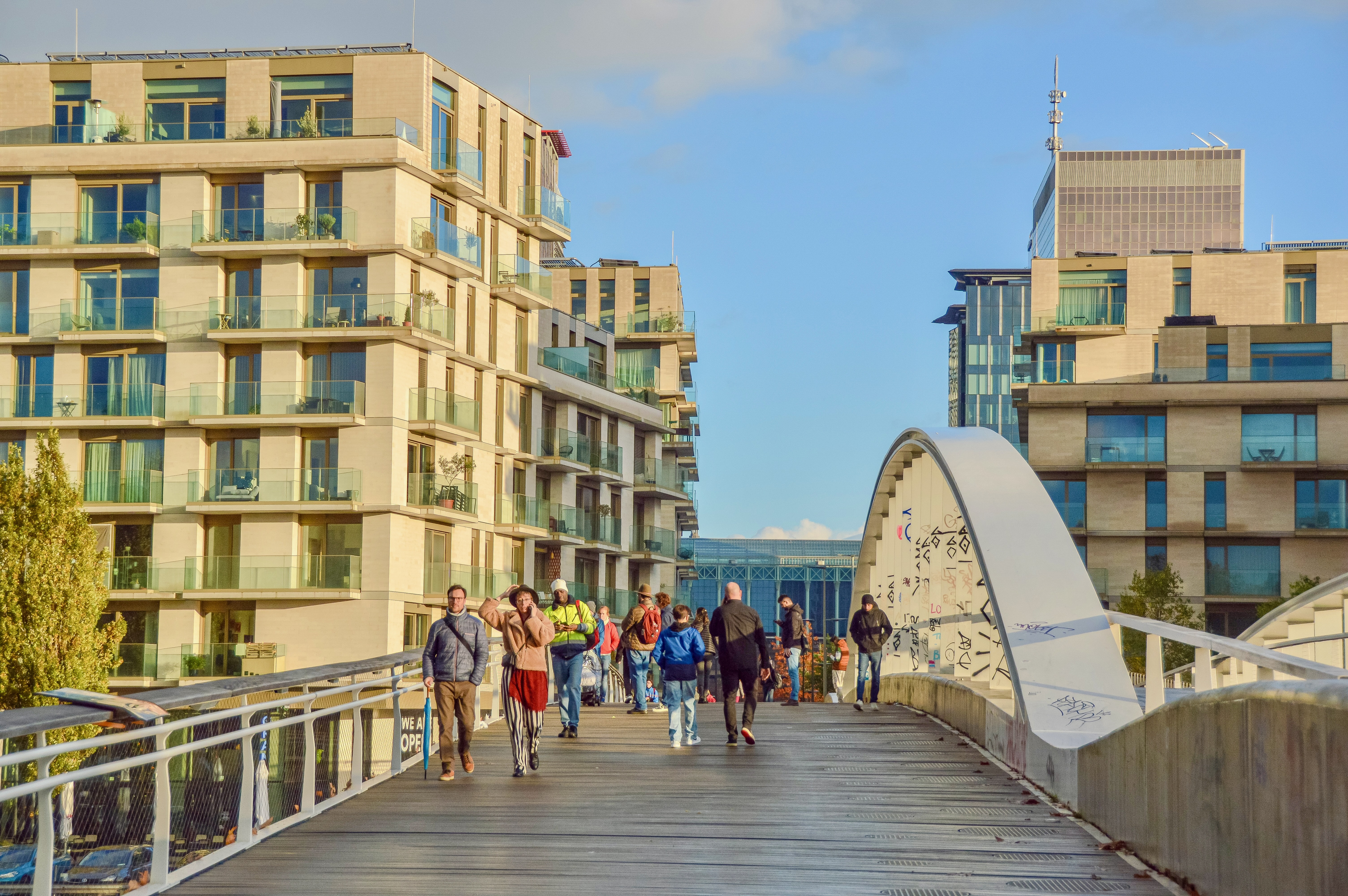
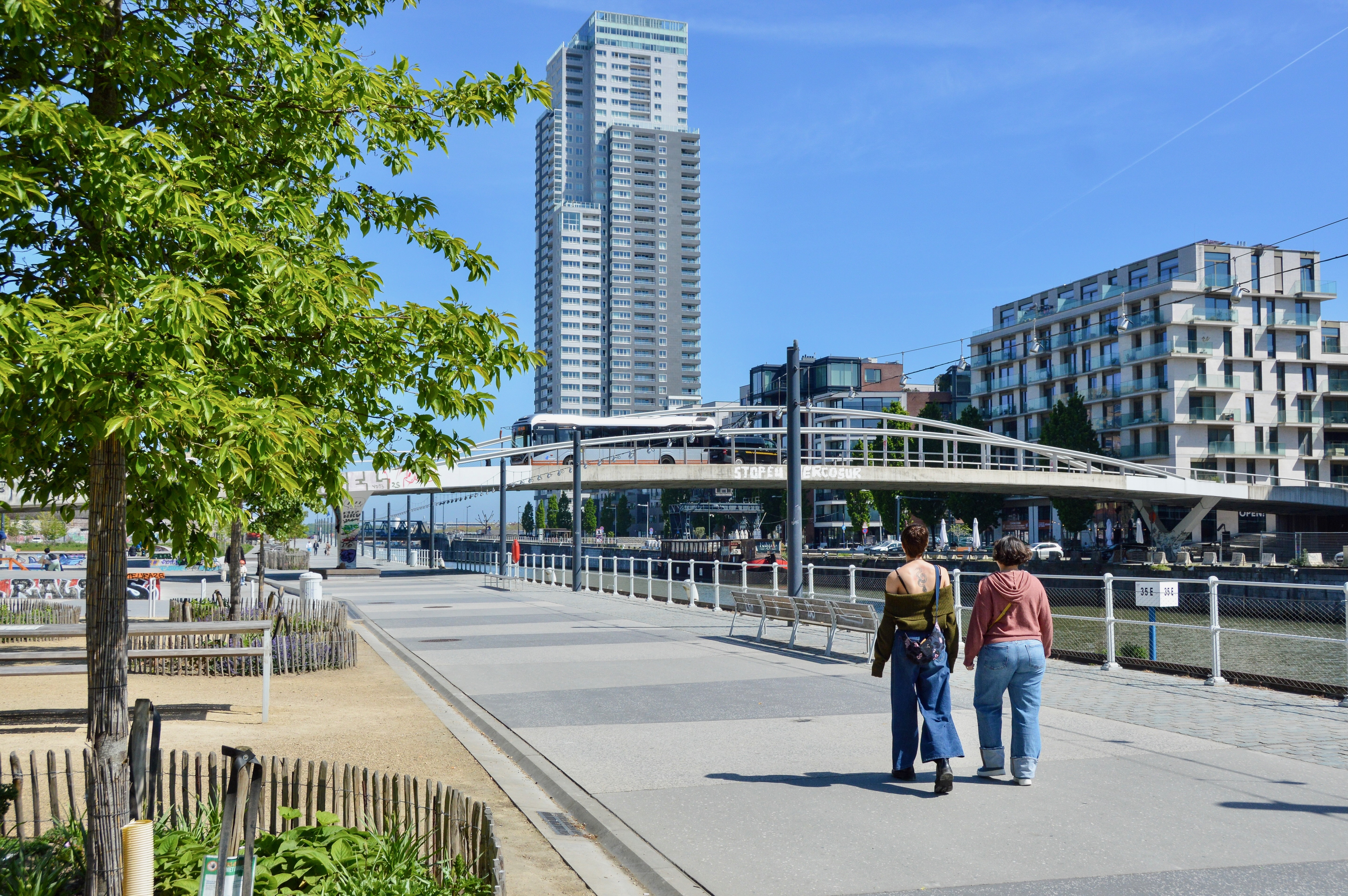
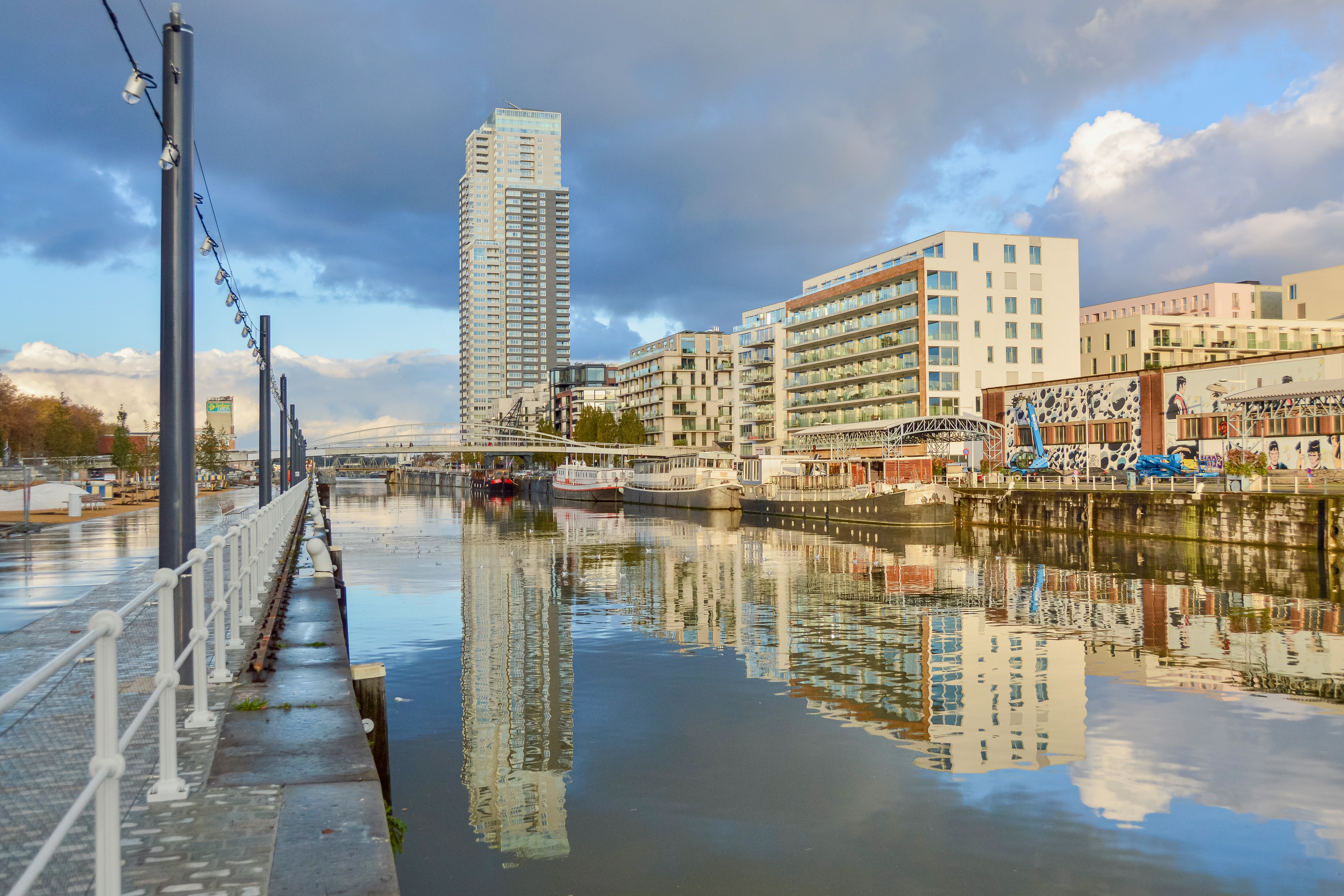
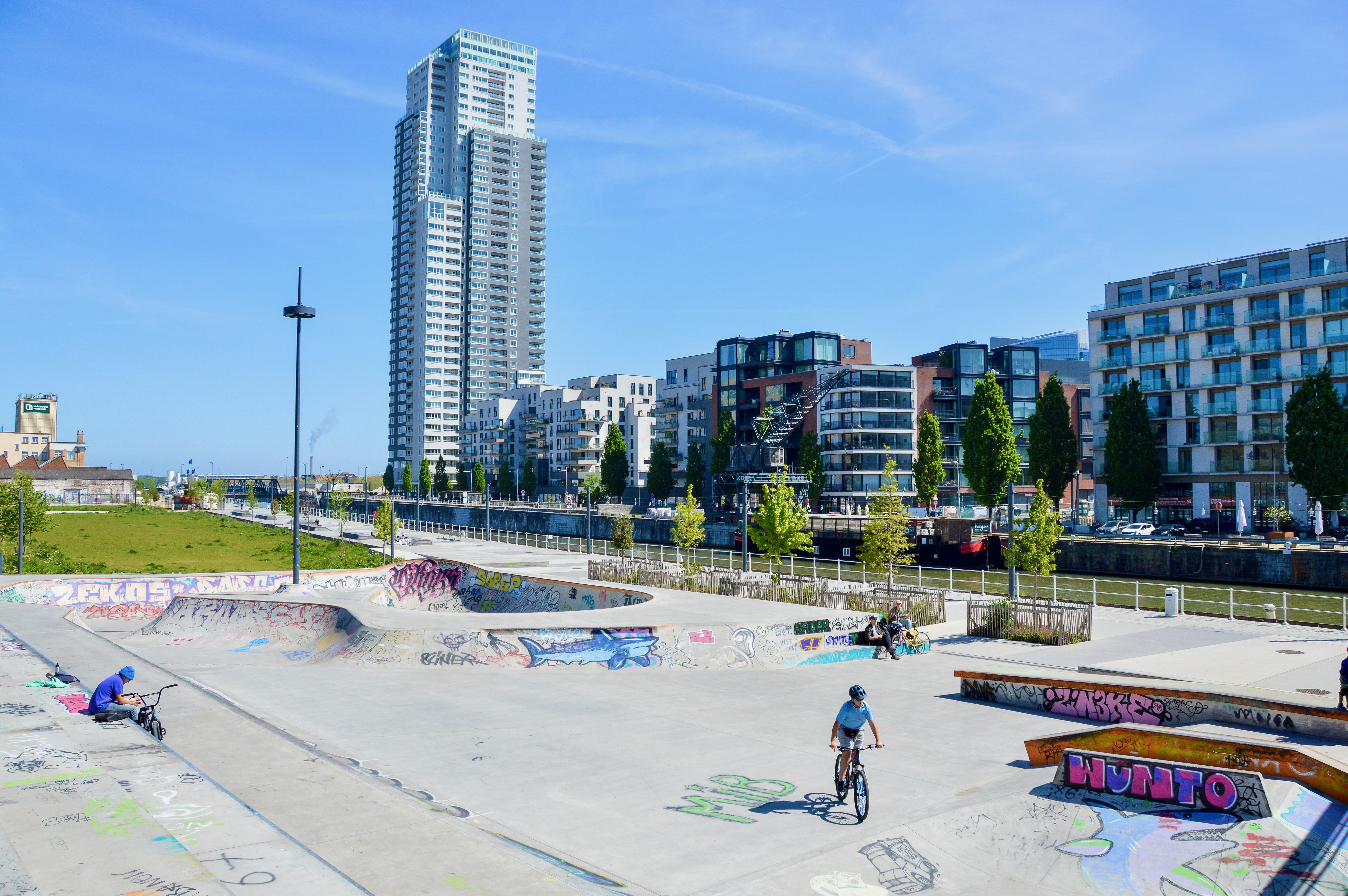
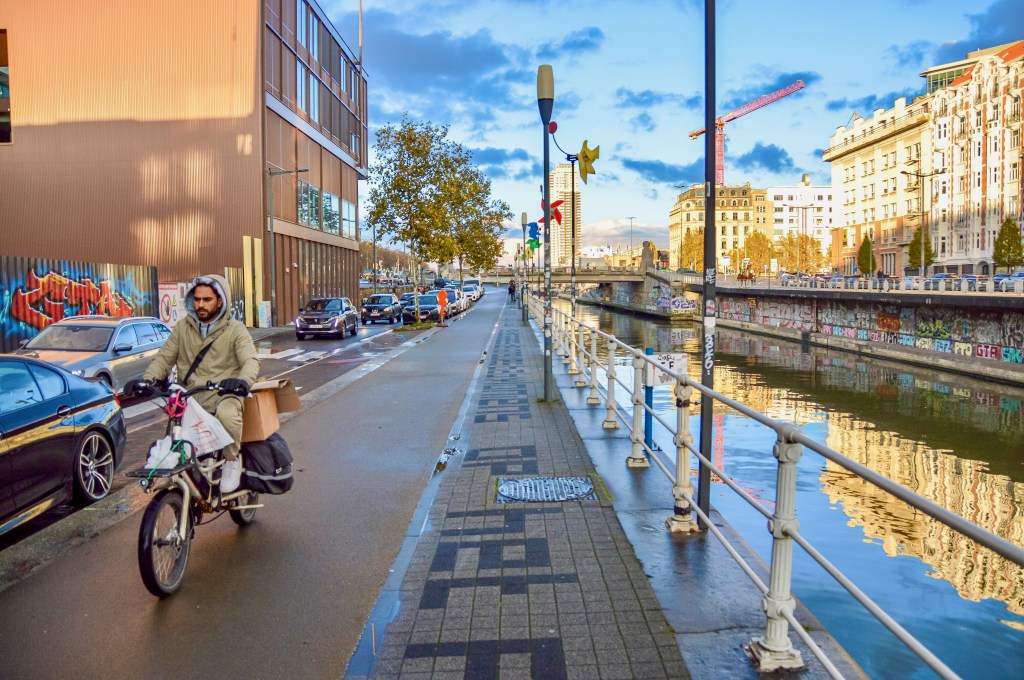
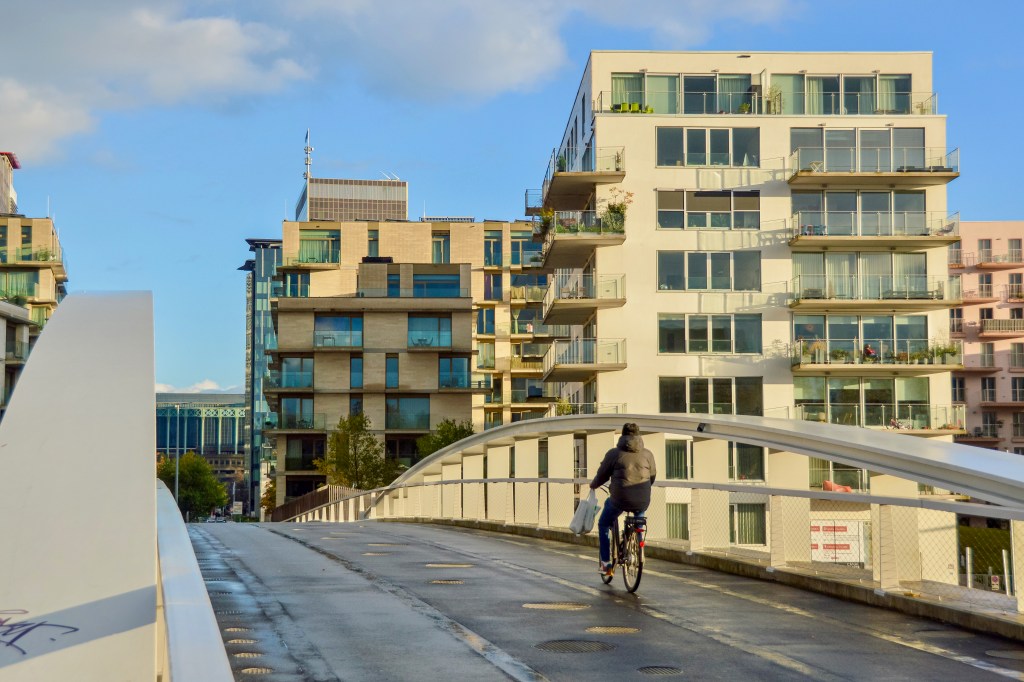
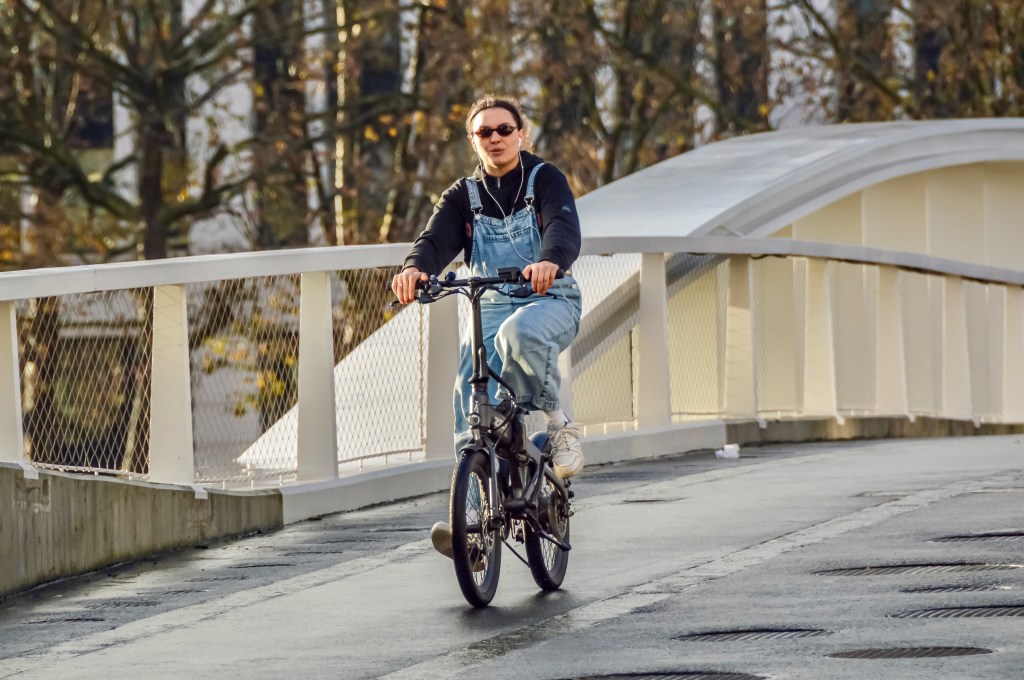
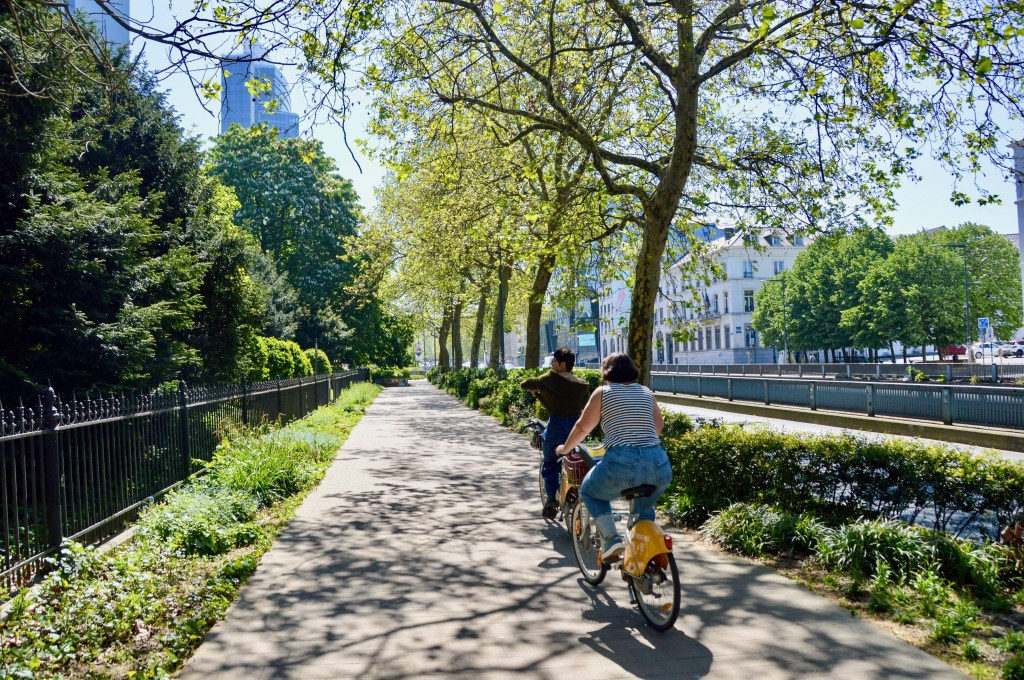
And if, like us, you always find yourself gravitating to water, may we recommend a canal-side cycle along the Brussels Canal to the west of the centre? Also a reclamation project, it is now a beautiful pathway connecting to a number of walking and cycling bridges, and a brand new public park, complete with skate park, beach chairs, and green spaces away from the chaos of the city. Cycling in Brussels may not yet be as comfortable as doing so in nearby Ghent, but the growing demand will, with hope, continue these positive transformations in the years to come.
Creativity in the City: Get lost finding street art
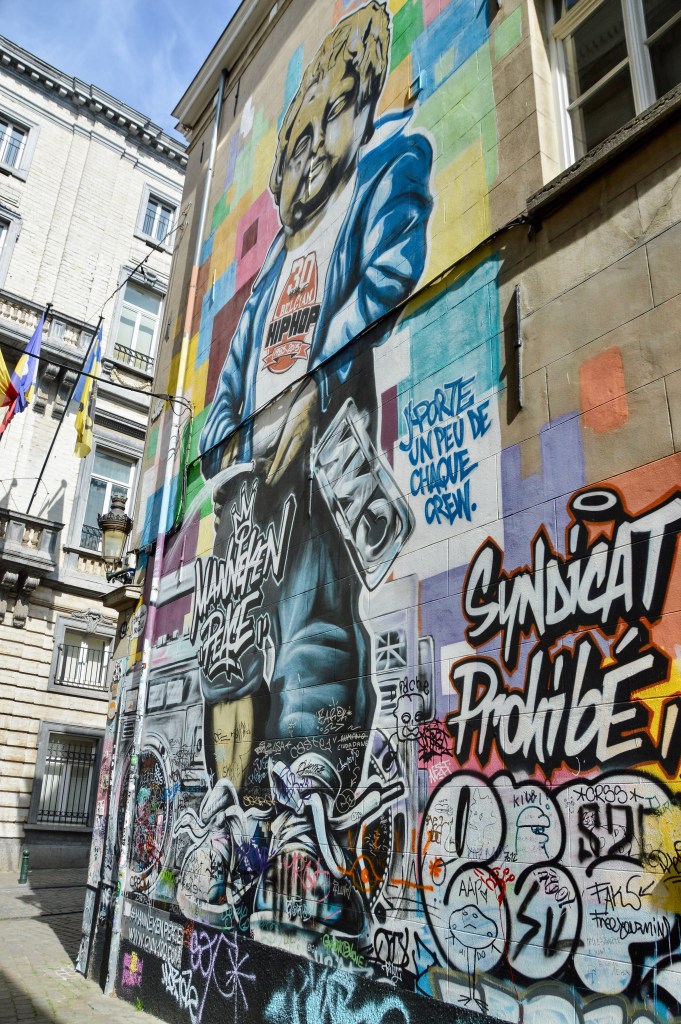
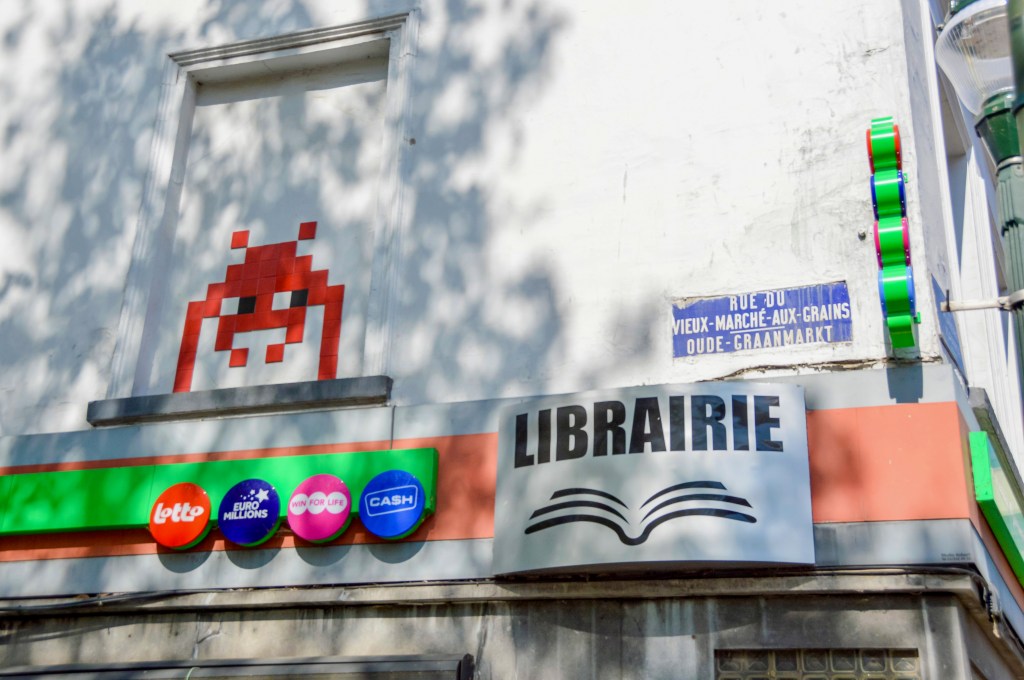
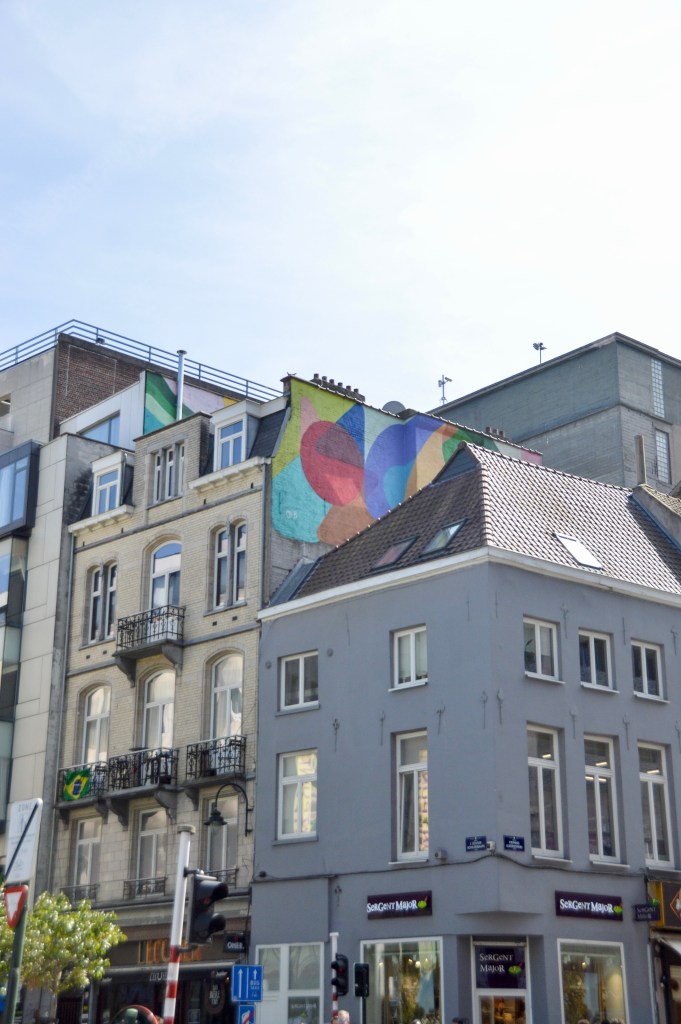
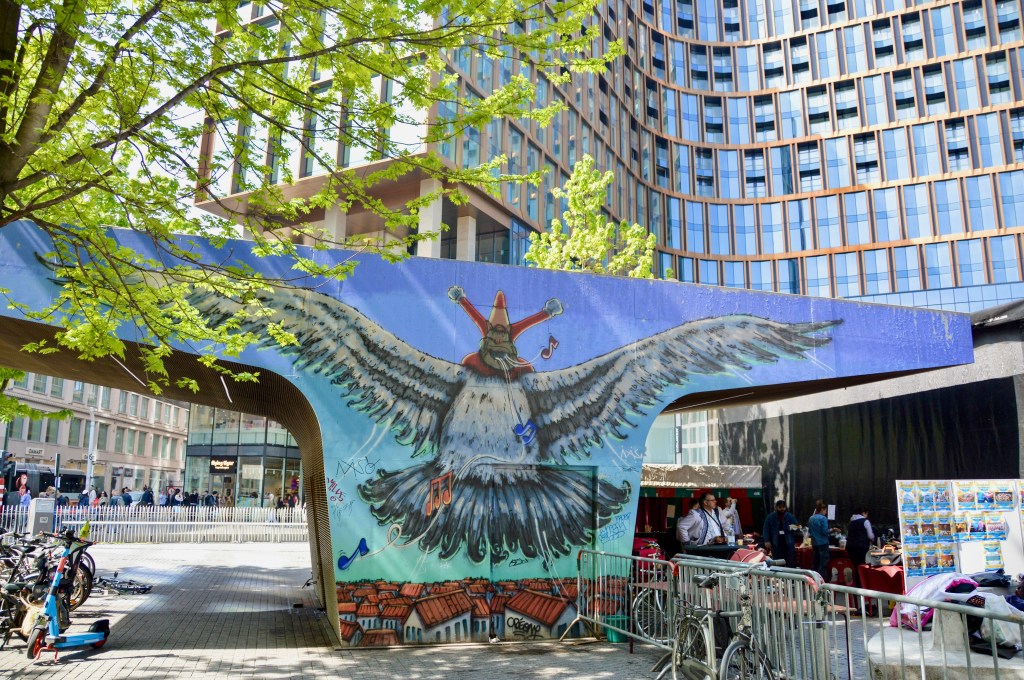
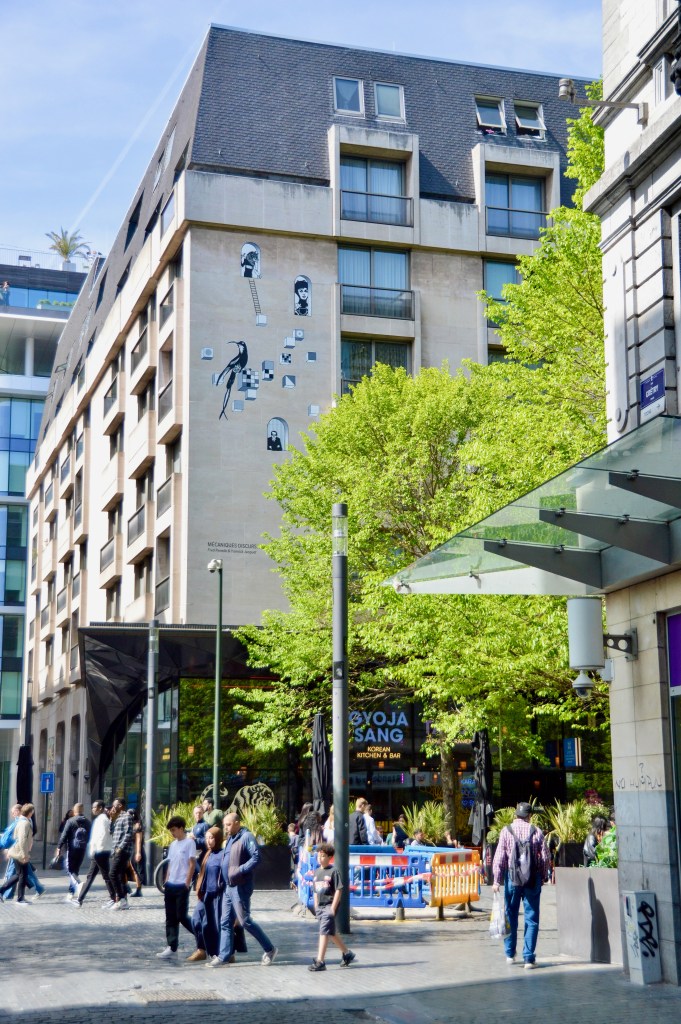
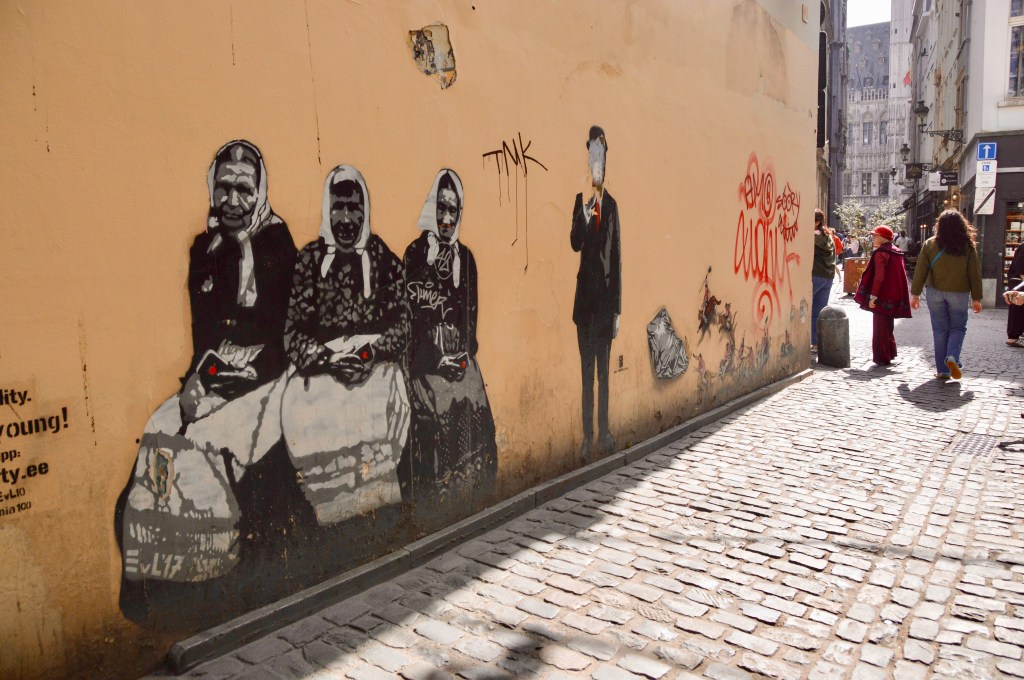
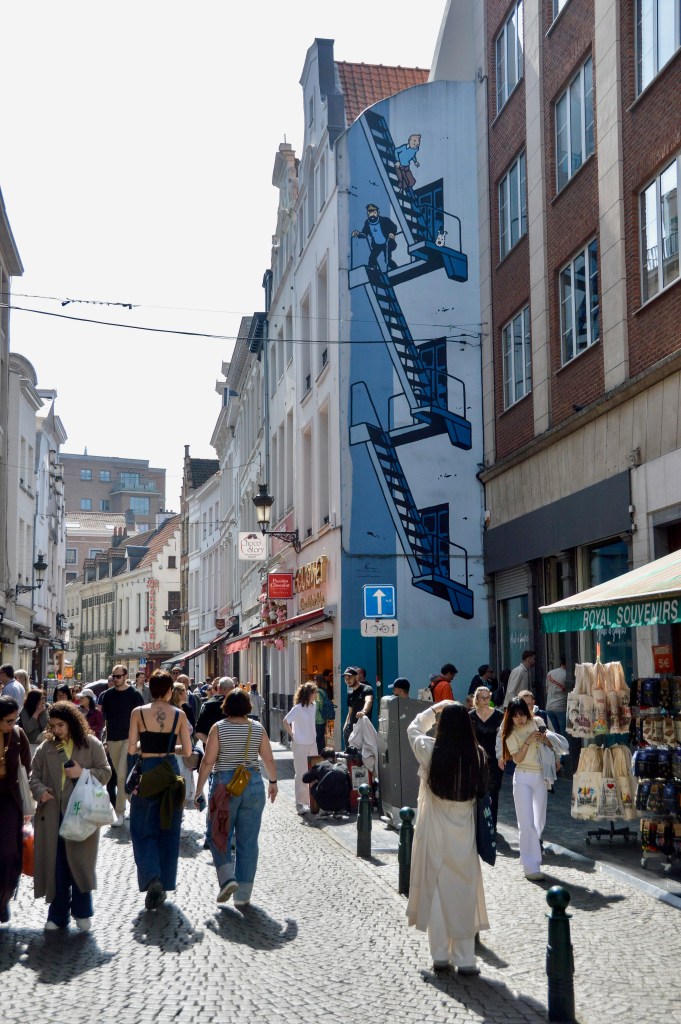
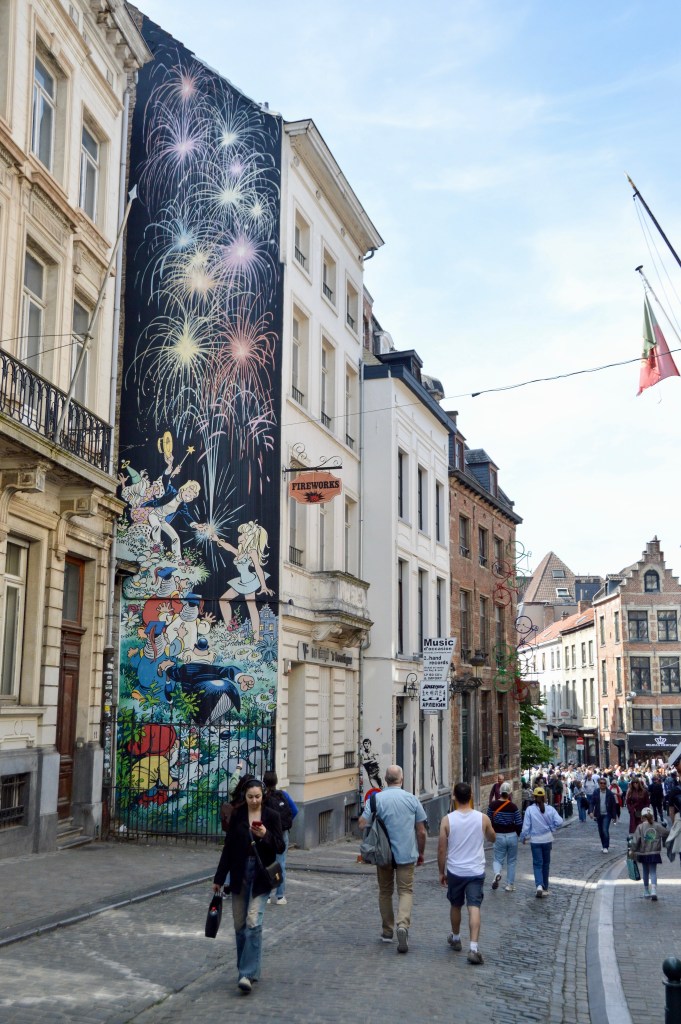
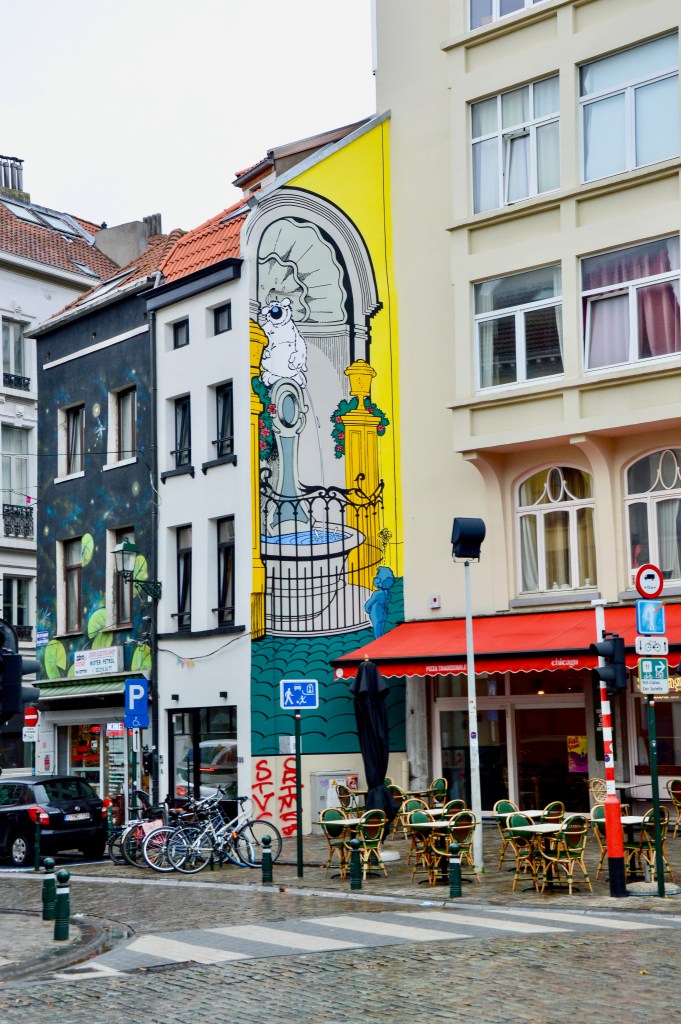
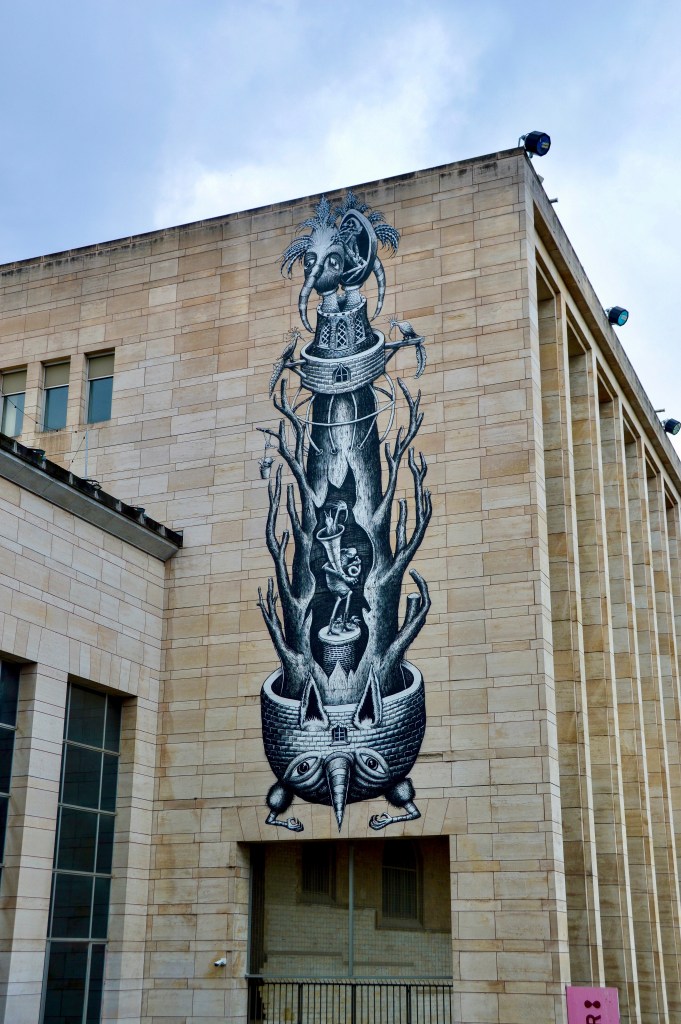
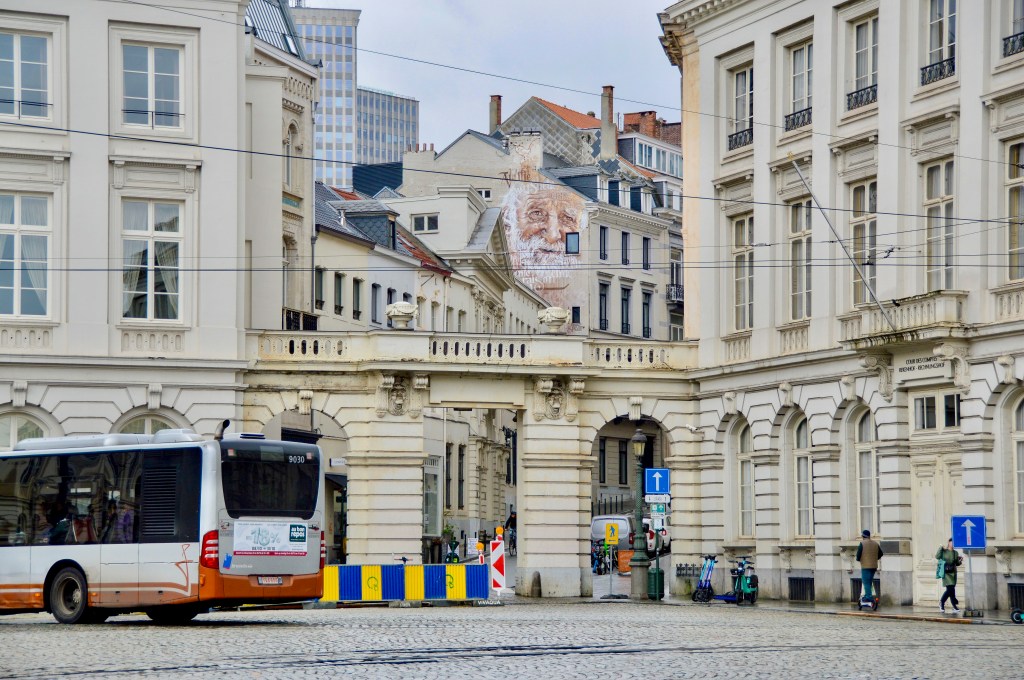
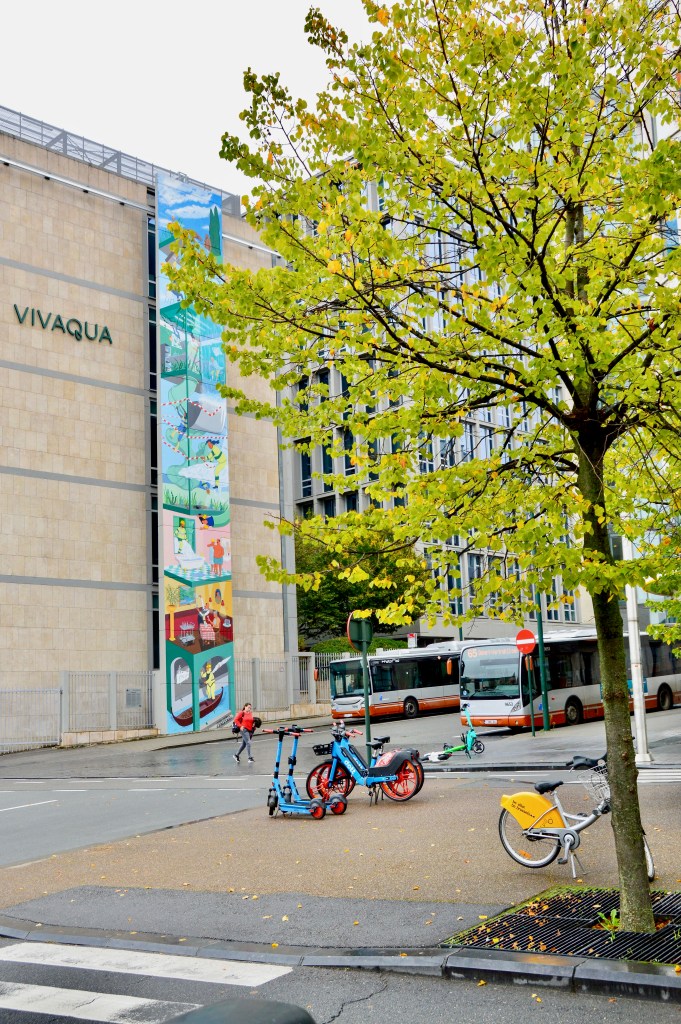
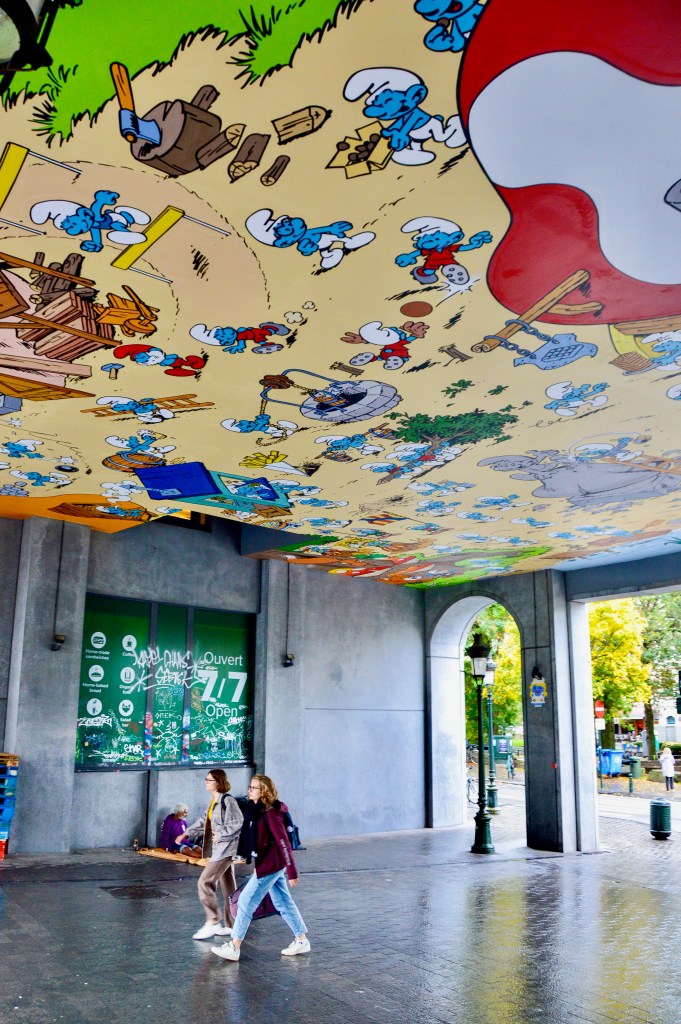
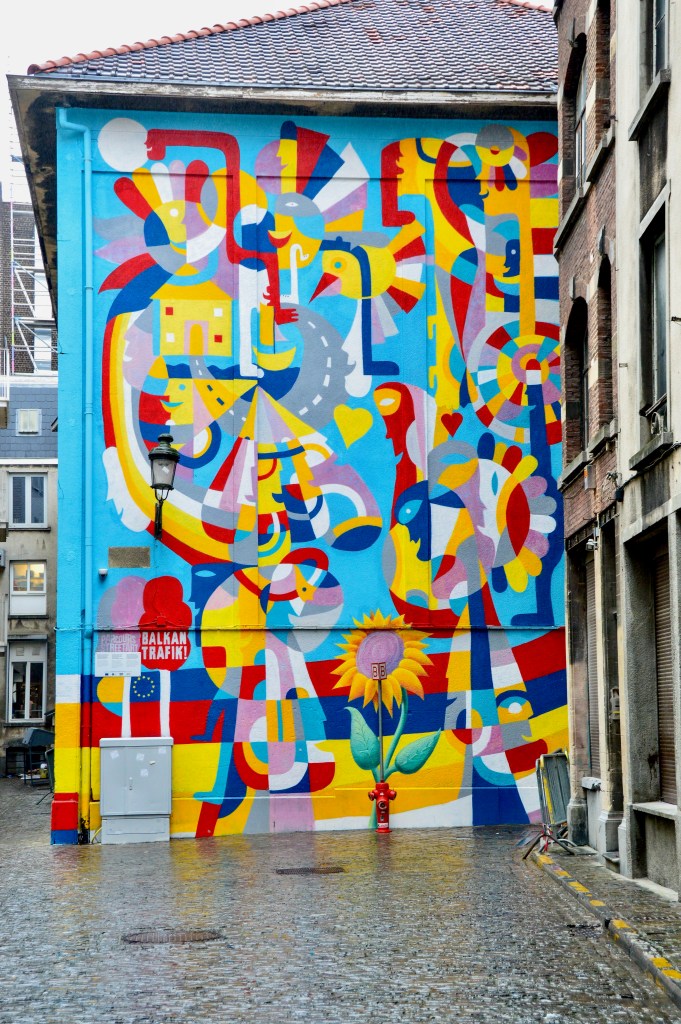
It is inevitable. Every trip I am on, no matter where I am in the world, I am somehow drawn to finding the colourful street art adding a spark of creativity to formerly blank walls. And Brussels is no exception. The home to many iconis bandes desinées (comic books) like Asterix, The Smurfs, and Tintin, you can find homages to the art form in many Belgian cities. Wander the streets, being sure to look up, you may even see the distinct 8-bit art more synonymous with Paris gracing the walls in Brussels.
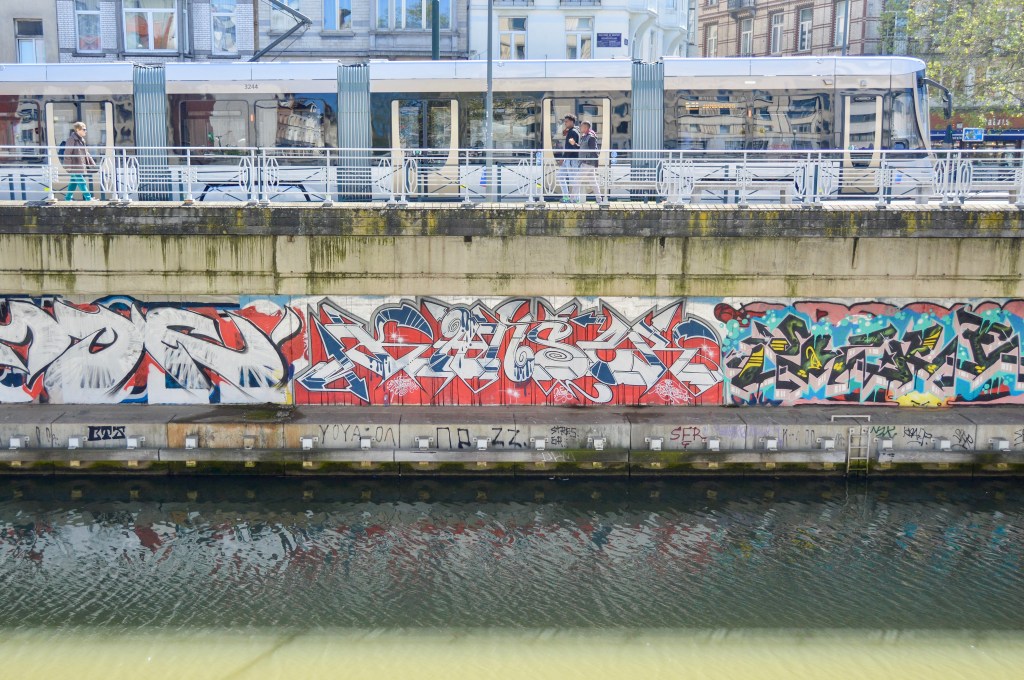
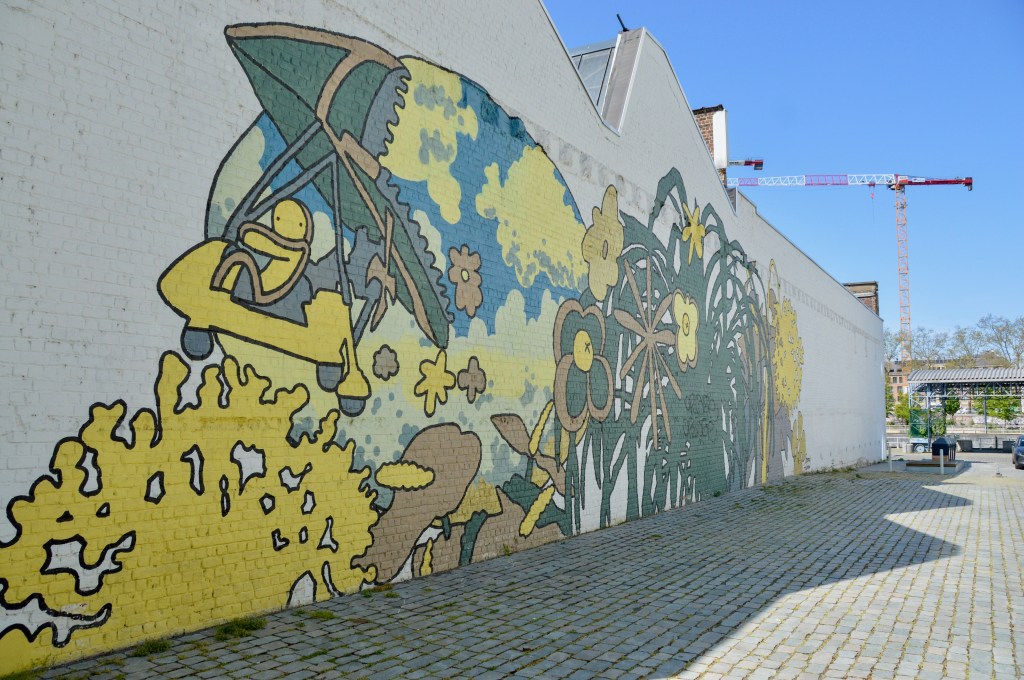
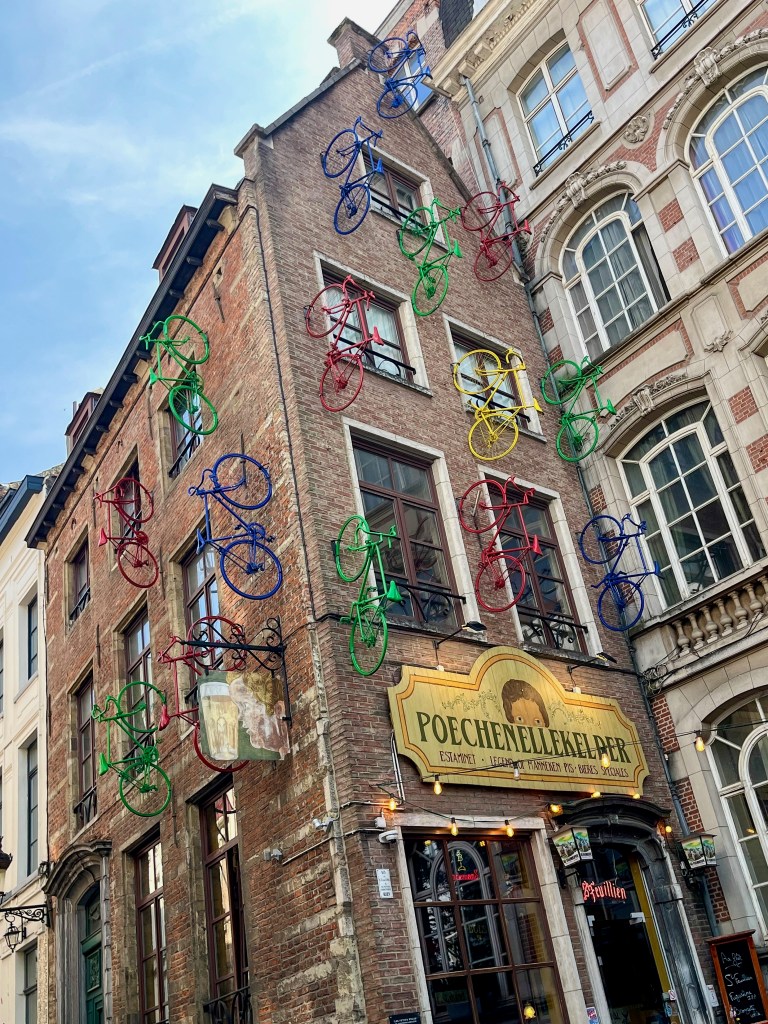
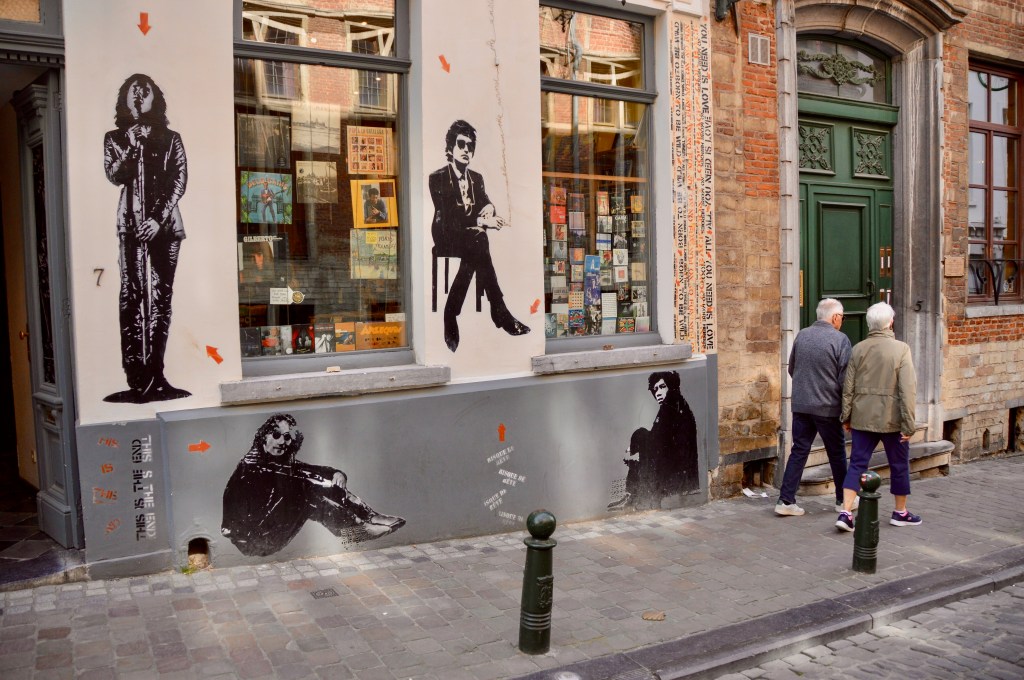
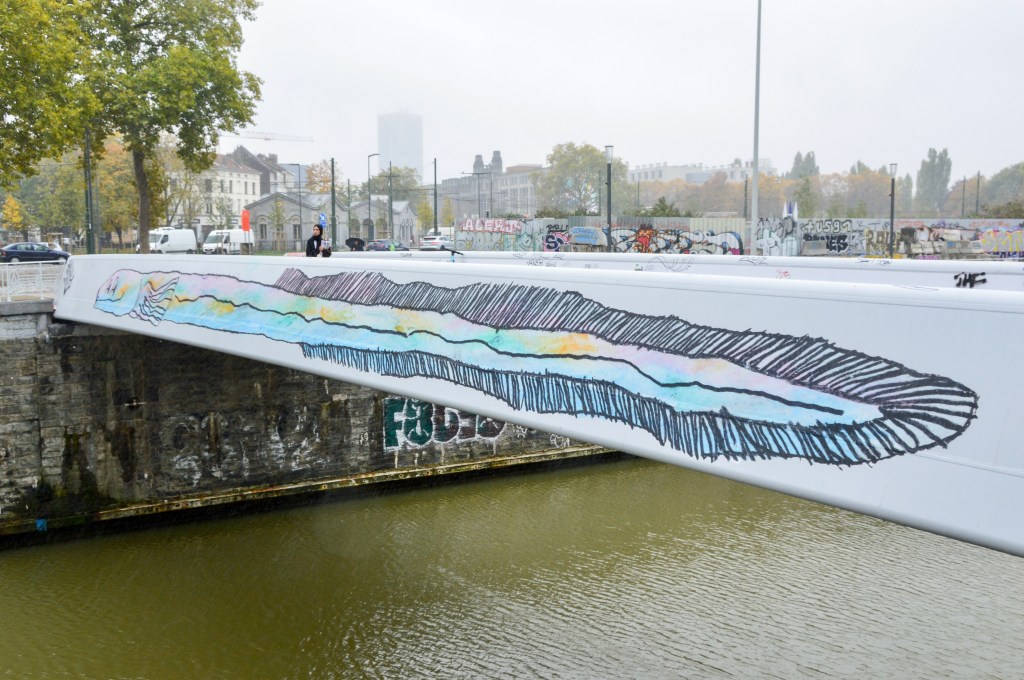
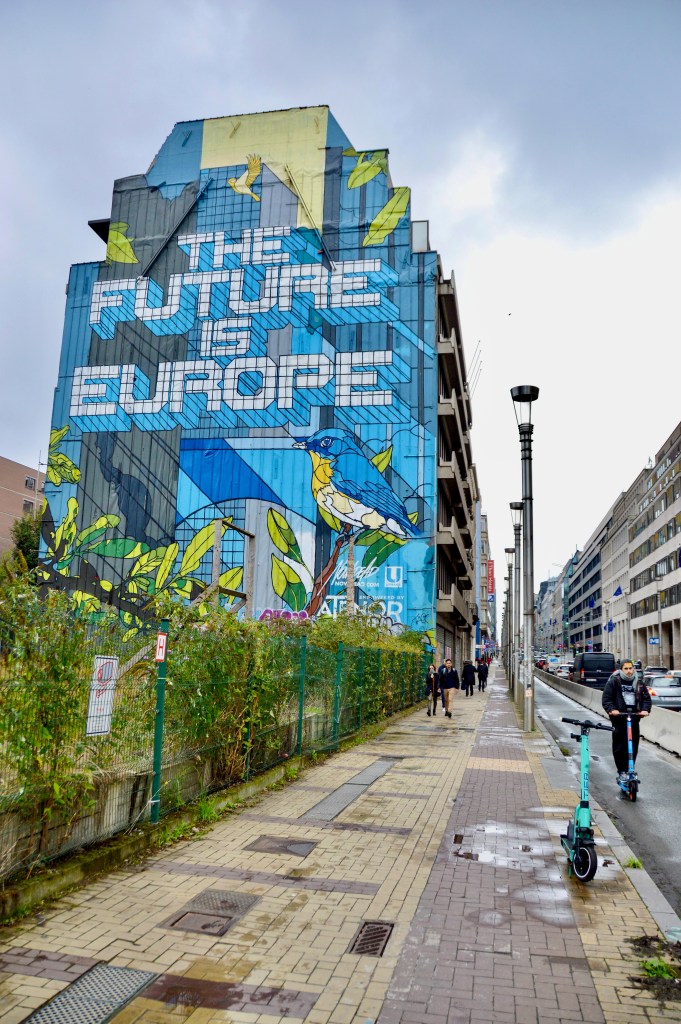
One of my favourite things to do is to simply walk without a plan and see what I find, and Brussels does not disappoint. Whether its grafitti along the wall of the canal, or more artistic creations hiding in plain sight throughout the various neighbourhoods, getting lost on a street art walk is a definite recommendation. The beautiful – and slightly sad – thing about street art its impermanance. While this can mean that some of your favourite art may not be there your next visit (rest-in-peace “The Future is Europe” artwork on Rue de la Roi), it also means there is always something new to discover. so happy art-hunting!
I’d love to hear about your favourite stops in Brussels for our next visit. Share it in the comments and we’ll be sure to add them to our list.
 Modacity Creative
Leave a comment