For over 15 years I have worked as a communications expert in the world of cycling, sustainable mobility, and vibrant public spaces. It was not the career I had planned, but as a advocate in Vancouver, Canada in the early days of their cycling journey, I saw a gap in how the cycling network was being proposed and built out, and what the general public understood about WHY it was happening. Ever since then, I have been advocating for the importance of thinking about communications and the story behind a project even before the ideas start generating.
But first, communications!
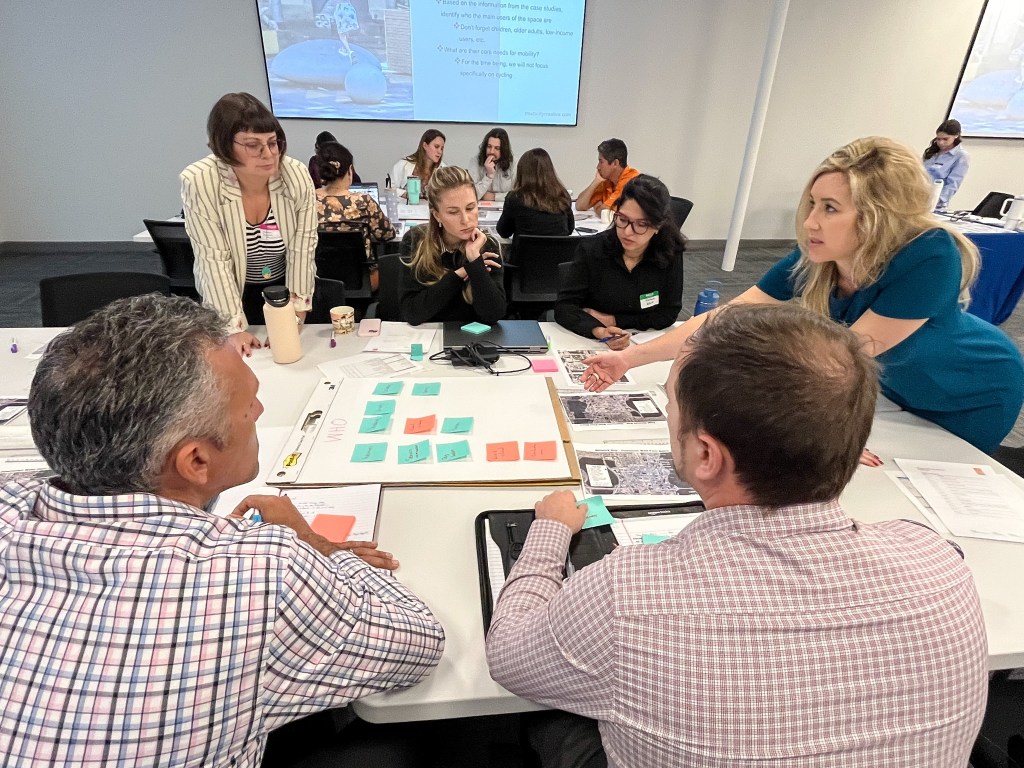
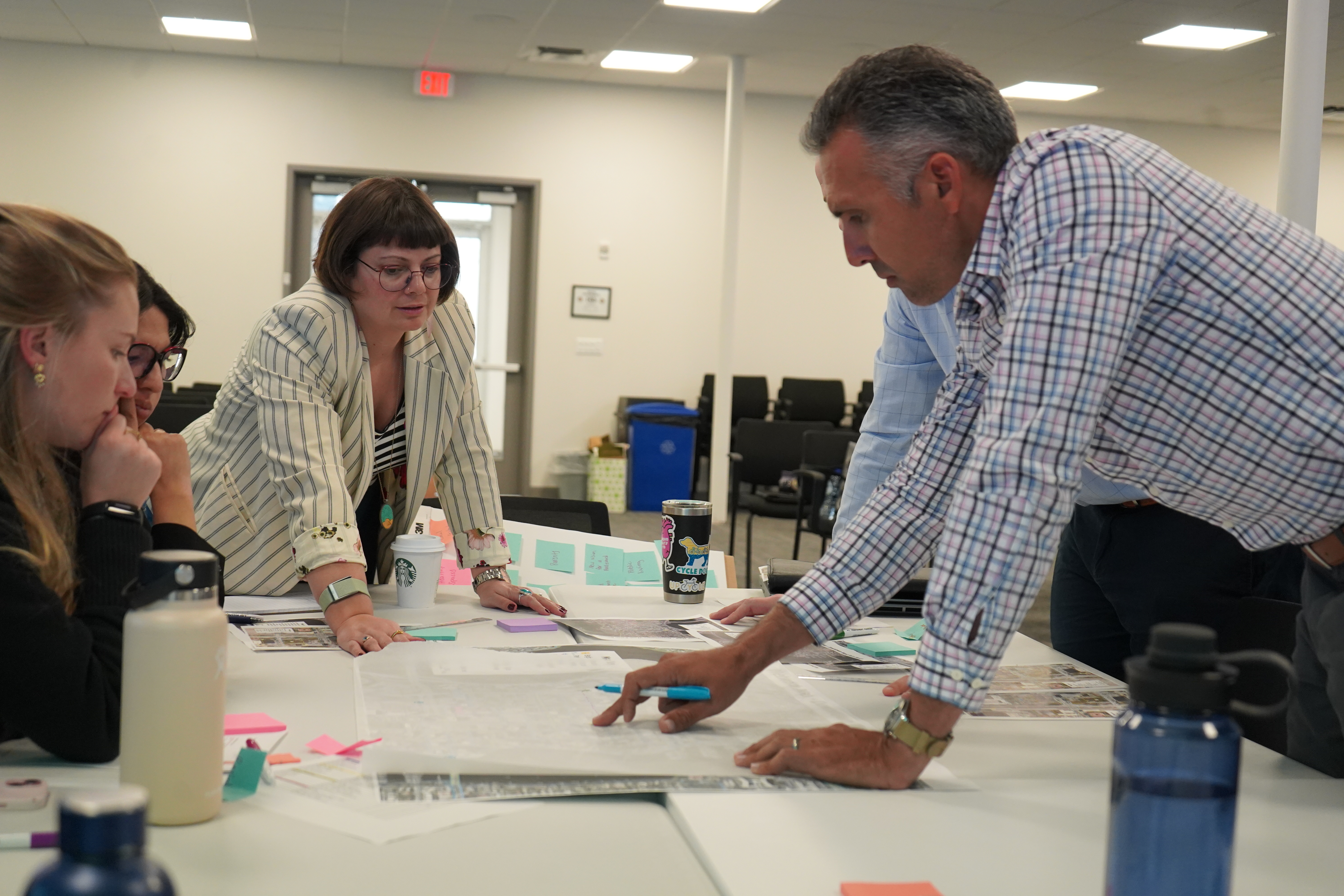
In mid-February I joined Chris Bruntlett, Dick van Veen and Geert Koops for a ThinkBike workshop organised by the Dutch Cycling Embassy in Palm Beach County. The workshop brought together practitioners from around the county for an intensive 2.5-days to learn about the key ingredients to creating great space for cycling in downtown West Palm Beach. In addition to a look into how to link the cycle network to enhance the bike-train combination, and dive deep into a creative re-design of four case study areas, my role was to help the planners, policy-makers, and engineers think about the role of communications in their visioning.
Now I know what you may be thinking: Technicians thinking about communications? That’s a difficult circle to square, Melissa. And trust me, in all my time working in this space, this has always been a sticking point. Getting designers and engineers to prioritise communications in their projects, or to ensure municipalities budget accordingly for it is rarely straightforward. But, the purpose of these ThinkBike workshops is to get participants to think outside their usual box.
It was with this in mind that I insisted the communications presentation and breakout go first. Where most projects put communications at the end of the initial design phase, leaving engagement and marketing teams to plan how they will communicate after the fact, I wanted the participants to understand their story before the started drawing.
Ingredients for Successful Communications: Who, Why, How?
To start, I focused on the three key indredients for successful communications strategies I have employed over the years:
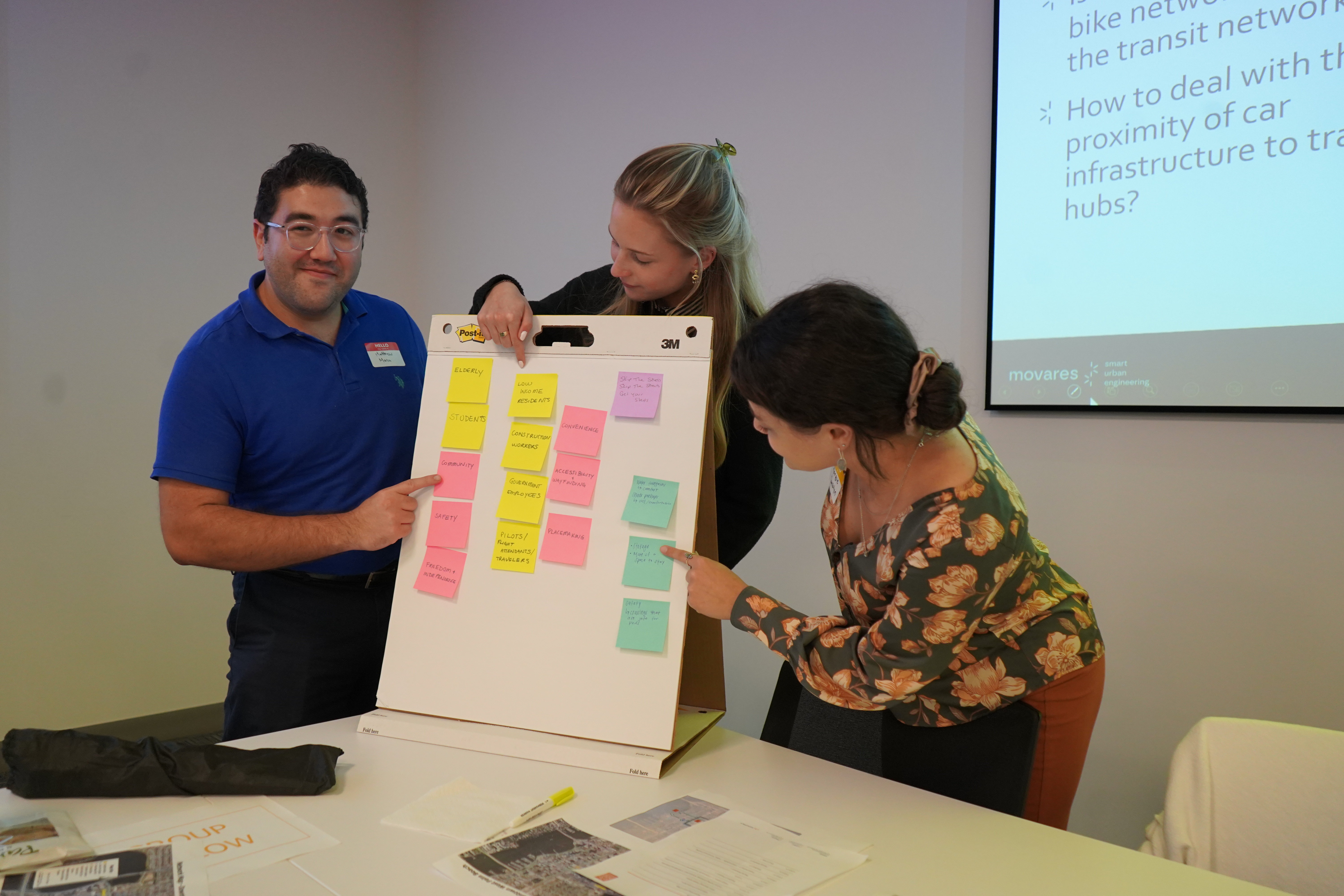
- Who are we designing for? Think about the key users of the space and their varied needs, like children, older adults, and disabled people.
- Why should their needs influence our vision? From creating more vibrant spaces, to supporting the local economy, better places for walking, rolling, and cycling will have a positive impact on the community.
- How do we communicate our vision? What are all the communications tools in our toolbox that will be best for communicating with our various stakeholders?
In four groups, participants were asked to examine their respective case study areas and list all the users who interact with the space and their core mobility needs. Defining “who” forces us to view the area not just as a generic street, but rather a place where children walk to school, service workers arrive for work in the local restaurants, and older residents meet up with neighbours. In no time the technicians were listing all the intersectional ways people used this space – even the dogs who call downtown West Palm Beach their home.
Once we defined the users, the participants were asked to define what they value in the space, or rather would value in the space if it met all their needs. Not how to move through it efficiently, but about the character of the space. Is there a cultural connection? Do the users value accessibility? Questions like these asked the participants to shift from focusing on “Level of Service” – the measure of the operational quality of a street – to the quality of the human experience.
Here’s when I asked the participants to do my job. Knowing who they were designing for, thier needs, and what they value in the space, participants were asked to create the narrative for their space. What will the story of the project be throughout every stage? From my experience, this is imperative not just to help stakeholders and the public understand the reasoning behind a project, but to help the people creating the project remember what it is they are trying to achieve. Creating the foundational story for their case studies becomes the guiding principle as they advance further into the planning and design process.
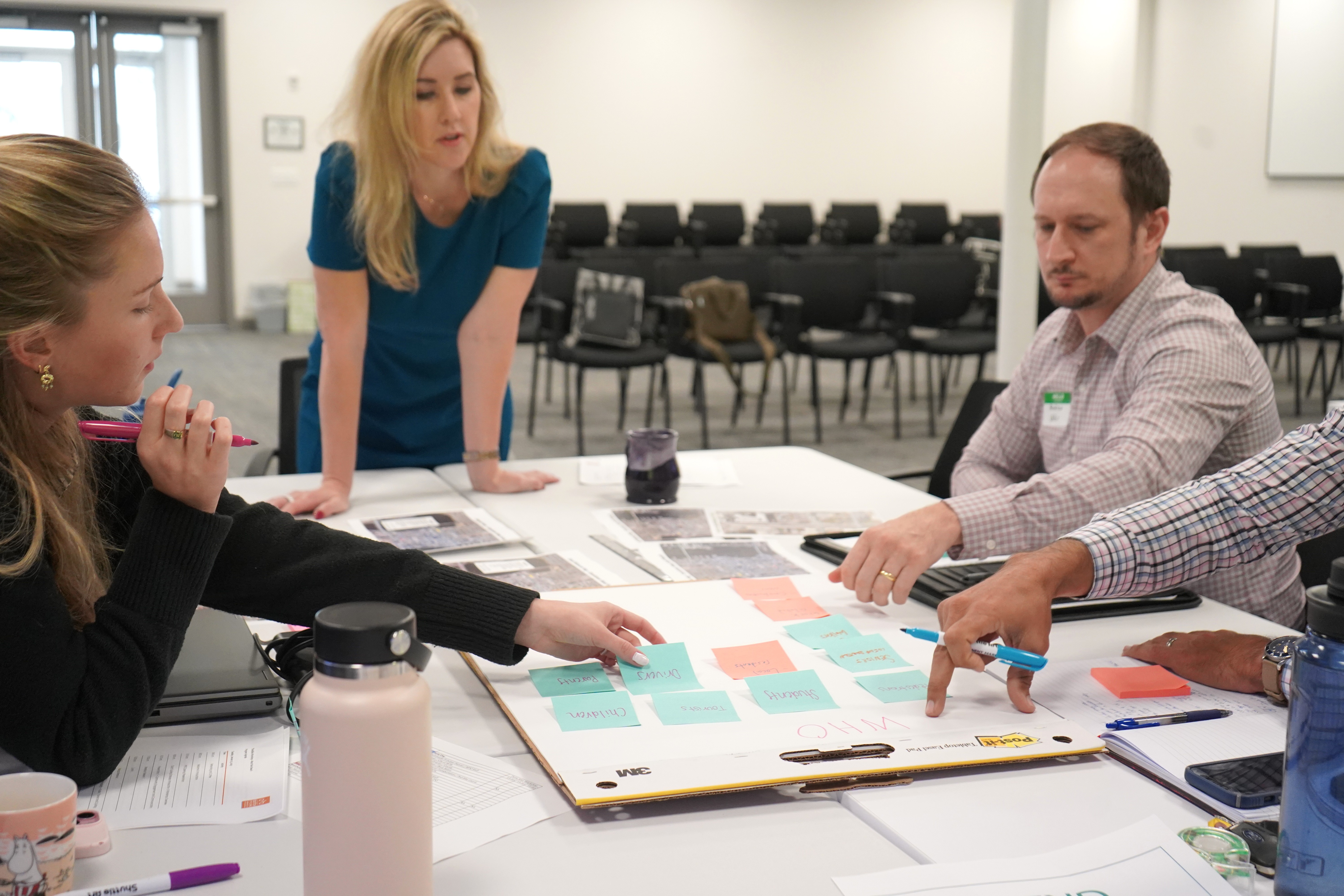
Communications is everyone’s role
After a final exercise jotting down ideas for engagement activities they would use to communicate with the public, the groups then moved on with my colleagues to plan the cycling network and design their street section, ultimately leading presenations by each groups about their final concepts. While their designs were all well thought out and envisioning some creative and inviting spaces, I was most pleased to hear how each group began with referring back to their users and their original narrative. By reflecting back on the beginning of the process, the final product was not just a great design for some comfortable walking and cycling lanes, they were transformative creations that would enhance the community they aimed to serve.
This workshop reinforces the fact that everyone has a role in thinking about communications. While practitioners like me can take the ideas and build strong narratives and campaigns around a project, everyone needs to understand the values and people behind any new plan, design, or policy. Not only does a good story lead to ideas that better reflect the community their serving, it provides the guiding principles to keep the team working towards a common goal – more vibrant cities for everyone!
Would your team or project benefit from a communications workshop? Contact me and let’s create your story together!


Leave a comment