
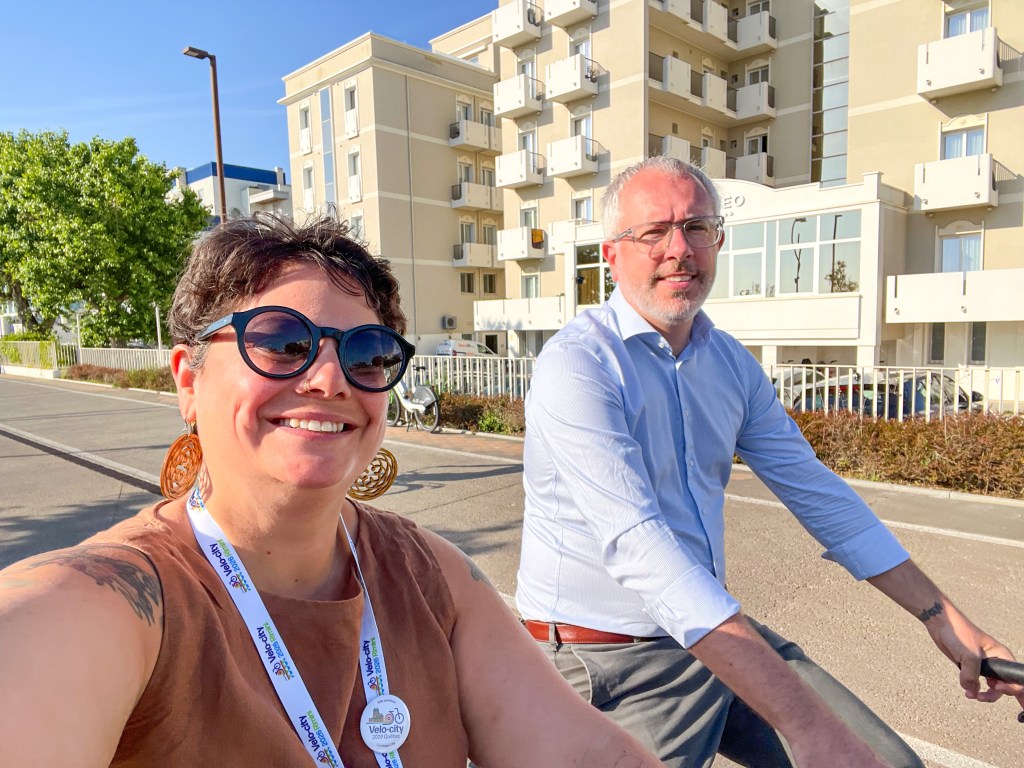
After the high of the first day of Velo-City, jumping into day 2 can sometimes feel overwhelming. But with another exciting programme, it proved to be just the boost needed!
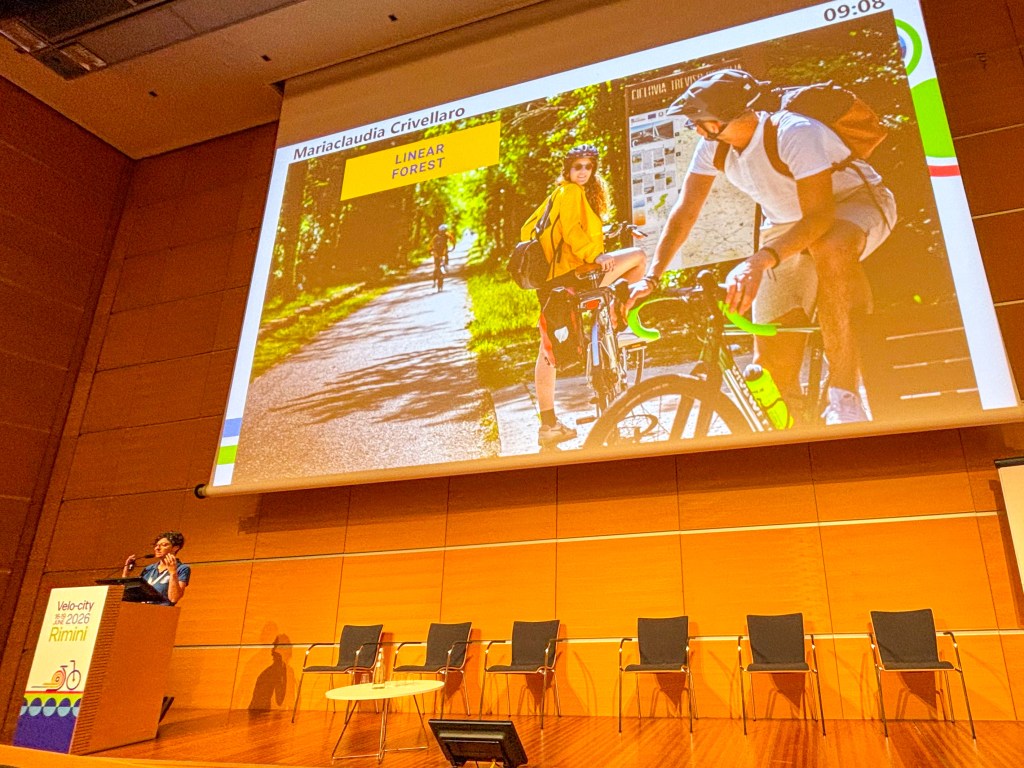
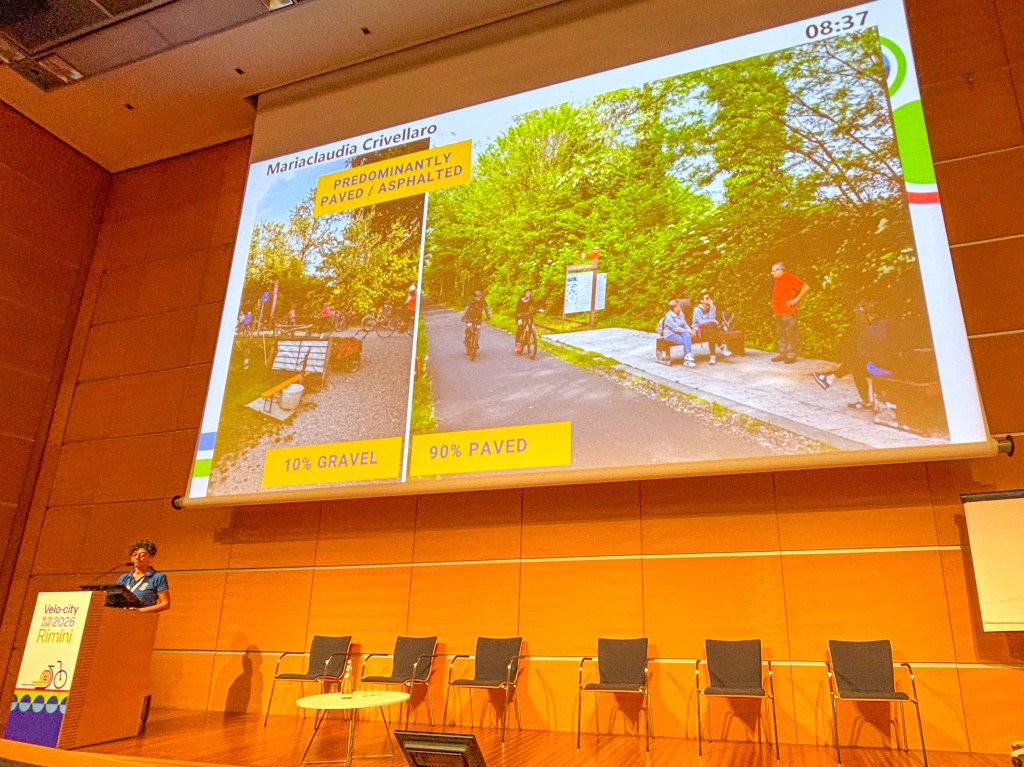
As a tourist destination, starting out the parallel sessions with a deep dive into cycling tourism shed new light on the value of cycling not just for day-to-day transport but also to discover the hidden gems only possible on a two- (or three-)wheeled vacation. Presentaters from Szczecin, Poland and Treviso and Meridiana in Italy showcased beautiful cycle tourism routes that are not only inviting to visitors but becoming places for social connection and pride for local residents. What makes these routes attractive is the recognising the importance of the experience – linking historical sites with the local story, points of interest, and of course services that allow users to rest, enjoy a meal, or have a comfortable place to rest for the night before carrying on their journey. As Palmarosa Fuccela Bike, destination expert for Ente Parco nazionale Appennino Lucano, Val d’Agri-Lagonegrese in Italy put is, this is a transition from mass tourism to gentle tourism that is bringing new vibrancy to the areas around the routes, and economic benefits, ultimately providing people a new, immersive, and restorative way to experience travel.
Challenging our assumptions
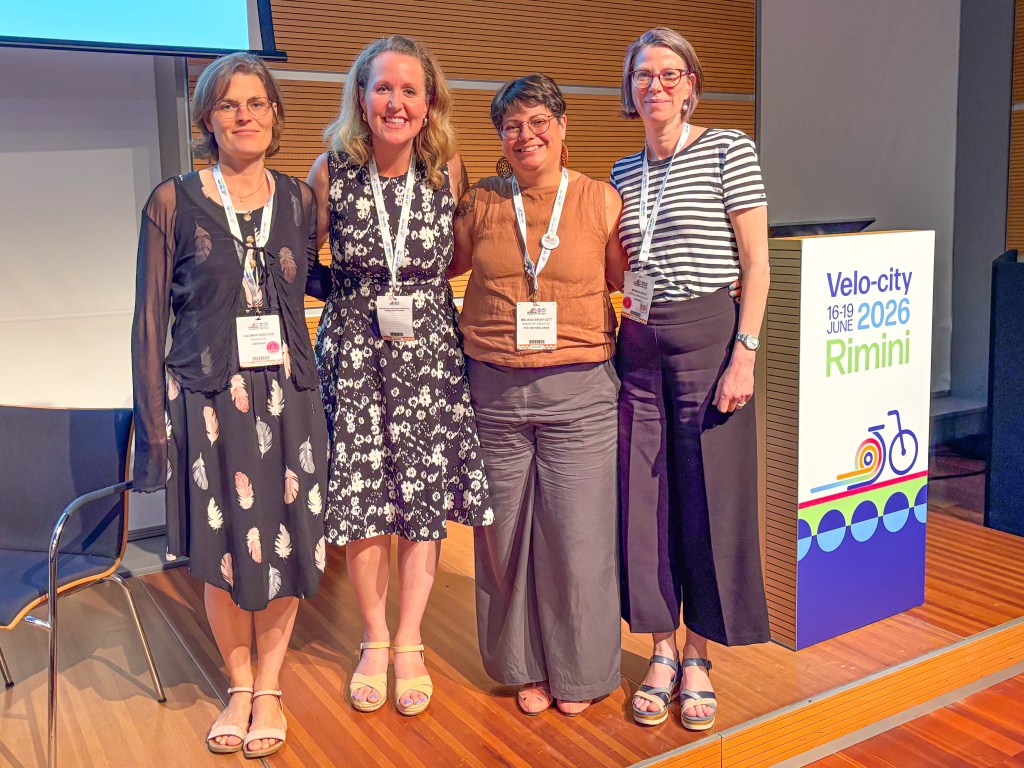
Day 2 was also my first of two fireside chats tackling a subject that it seems everyone has an opinion about – cycling while pregnant. Together with friends and colleagues Laura Jane, Dagmar Koehler and Monica Bikos we discussed the decision to (or not to in my case) cycle while pregnant, how assumptions about what a pregnant woman’s body is capable of influence perceptions of safety and suitability, and how the cycling industry, from planning, designing, policies, and even products can support more women maintaining access to what is for many women the most accessible way to stay healthy and active during the various transitions of pregnancy and early parenting. The session included video clips from Shelley Bontje from the Netherlands and Marina Kyriakou from Cyprus, cycling professionals who are both currently cycling while pregnant to share their experiences in real time. We shared our knowledge with an intimate but very engaged genuinely curious about what the cycling sector needs to do to start normalising and removing barriers for pregnant women cycling. The session even included a nice surprise insight from a General Medical Practitioner in Romania insisting that more research and literature need to be shared with the medical professional around the benefits of cycling while pregnant so they can start helping women stay healthy, active and strong at a time when their bodies need it most.
Words Matter: Putting the words we use on trial
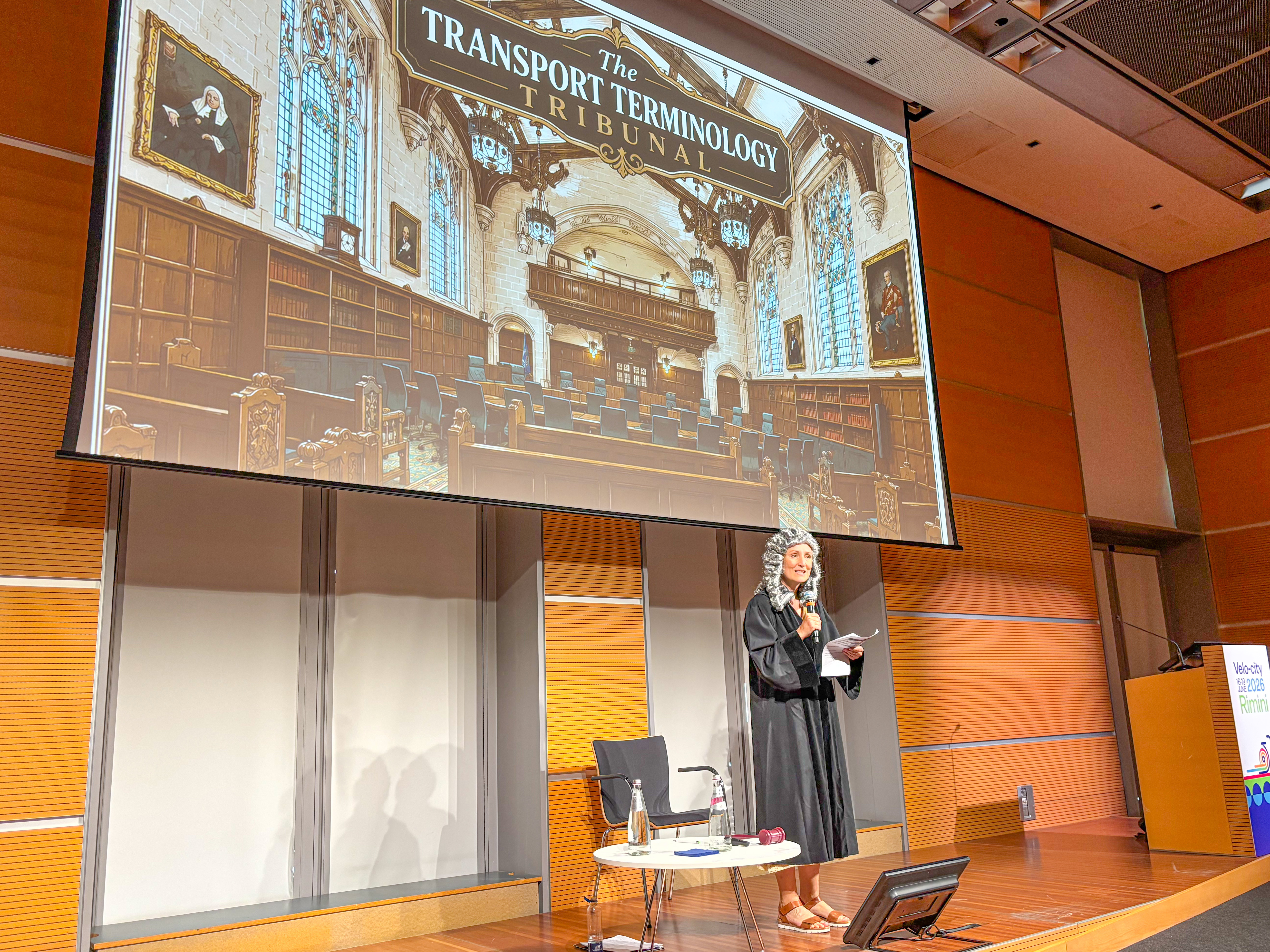
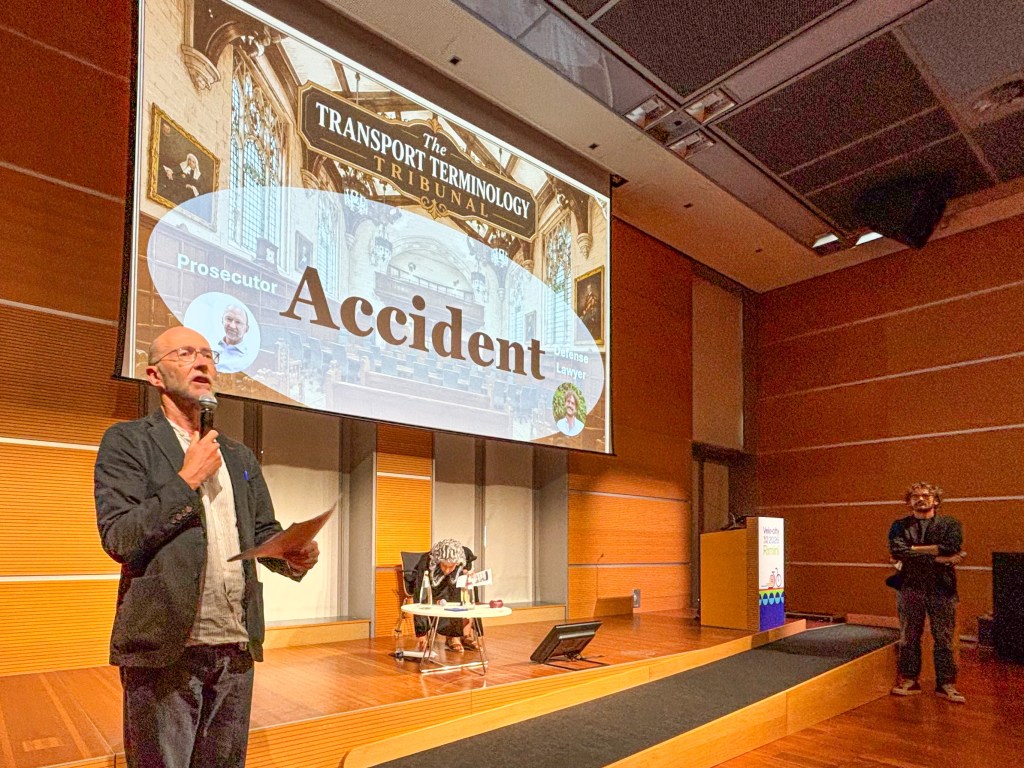
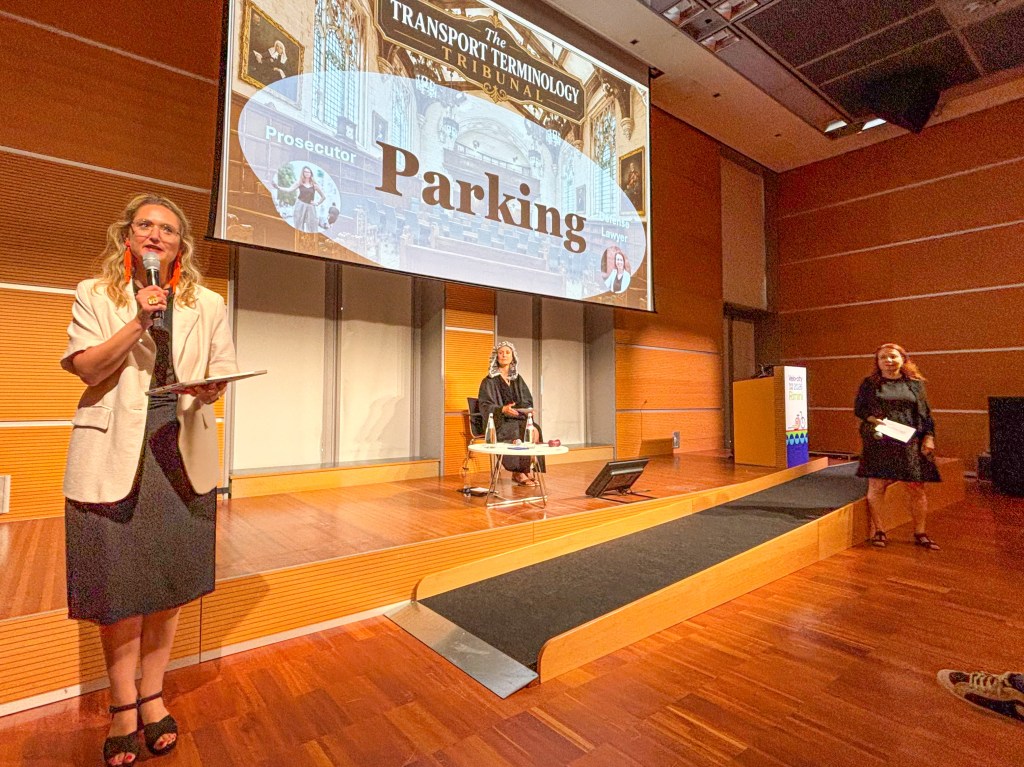
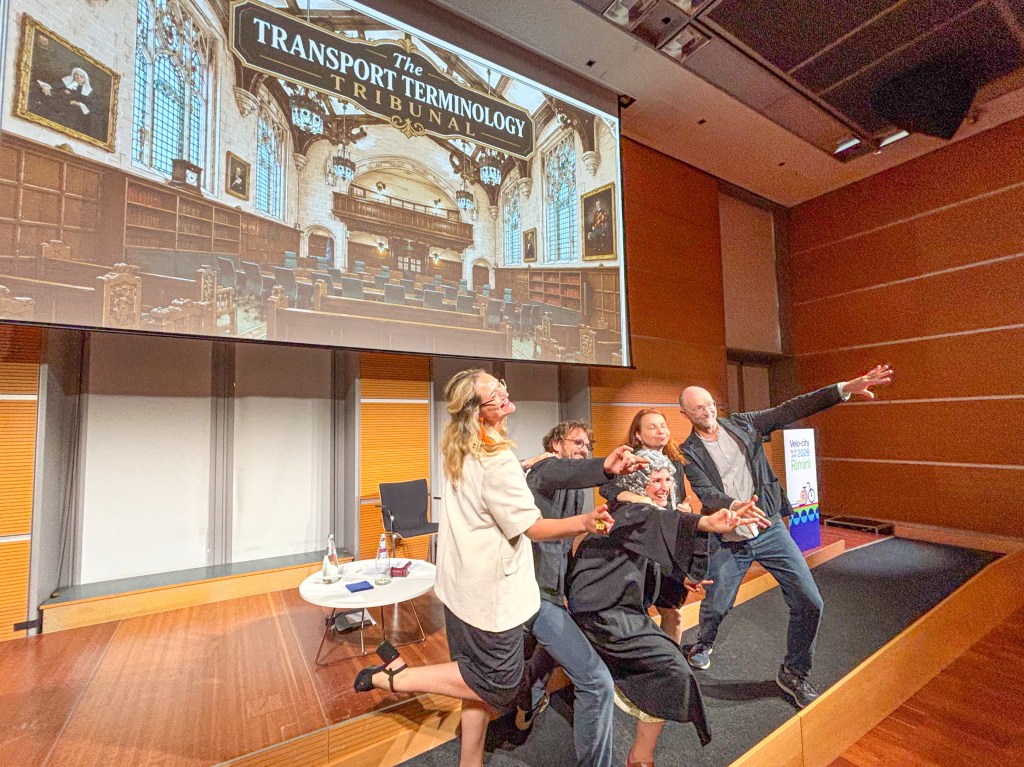
Possibly the best session of the conference so far was the playful and poignant session from Sidsel Birk Hjuler from Urban Creators in Denmark that put the words we use on trial, literally. Acting as judge, the prosecutors and defense attorneys – masterfully played by Matthew Baldwin (European Commission, Brussels), Angela Francke (University of Kassel, Germany), Wies Callens (Fietsersbond, Belgium), and Isabell Eberlein (Velokonzept, Berlin) – made their case for why some of the words commonly disputed in the cycling world such as “accident”, “vulnerable road users”, and even “parking” should either be found guilty and removed from our vernacular, or not guilty, left to find a place in our dialogue for another day.
While the approach was playful and did well not to take itself too seriously, the debate points to some very real nuance that may be lost when we are busy disputing what is the right word to use versus the best word. How changing our language may not be as simple as we think, especially for non-native English speakers, and that words are not neutral, potential inferring more car-based thinking into common practice, and even reinforcing the status quo. At the same time, fighting over updating our language to use a more “inclusive” word may in fact complicate the message, and suddenly the shared language we were using to advocate for better streets and public spaces becomes a fight within our own circles, while the opposition continues to make gains by sticking to a consistent and clear message.
The debate is definitely ongoing, but hopefully the arguments presented provide some pause as we perhaps stop fighting over finding the best words and just start collectively accepting the good so we can move forward with confidence and solidarity.
The Biggest Rolling Party of the Year – Bike Parade!
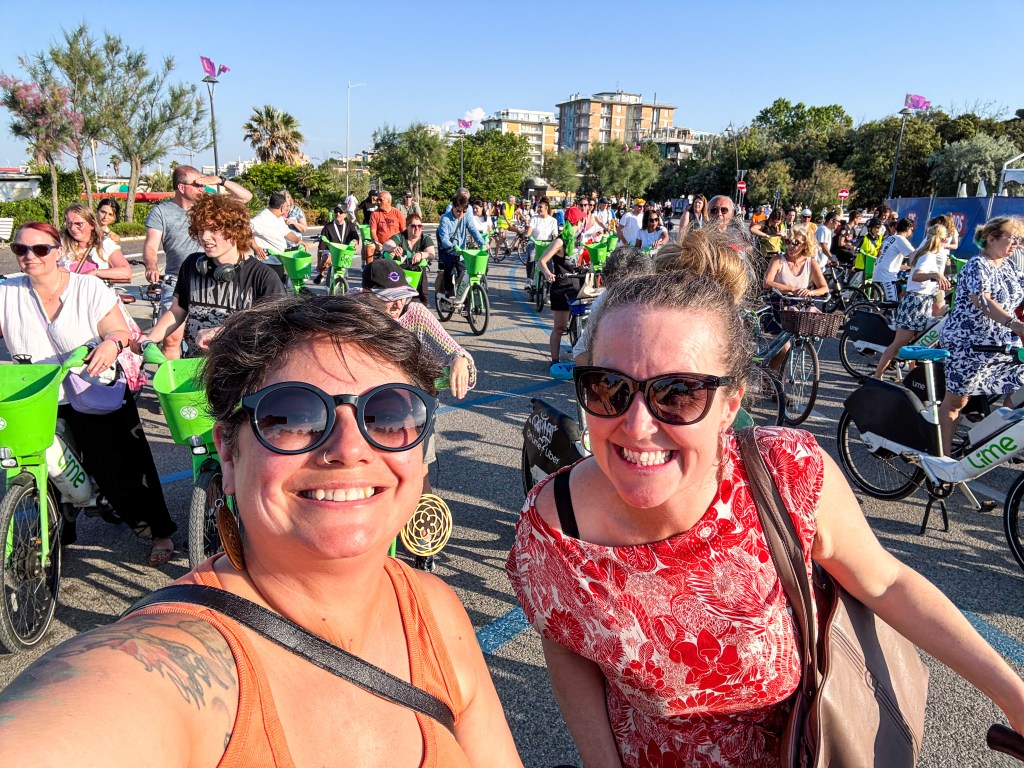
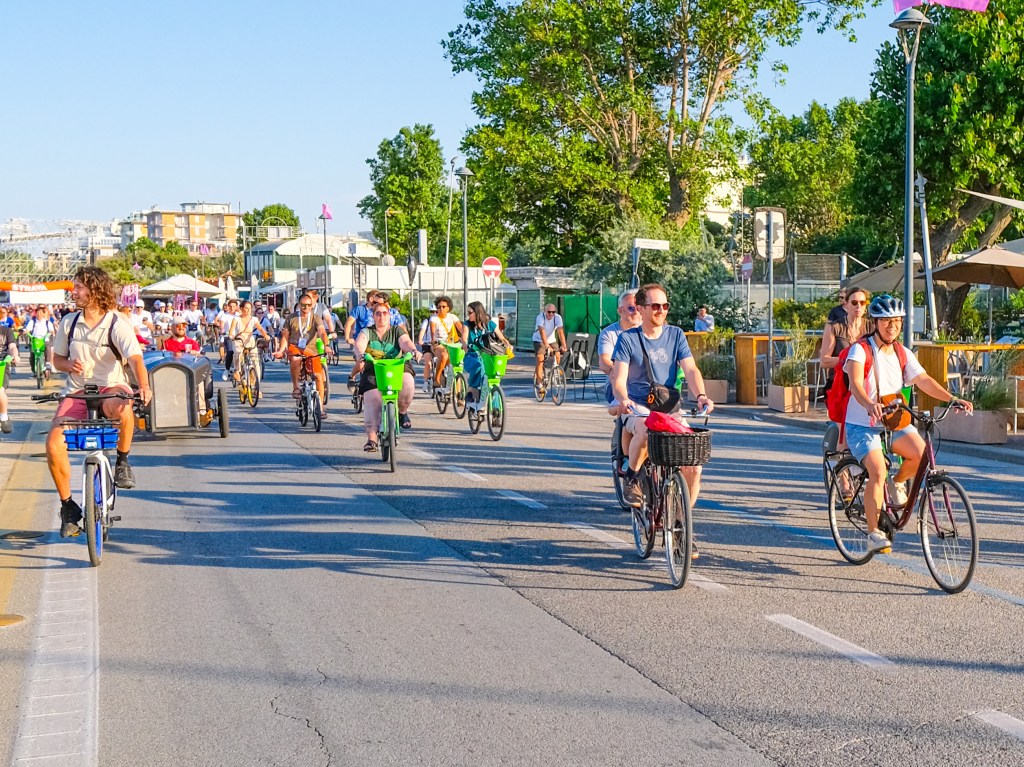
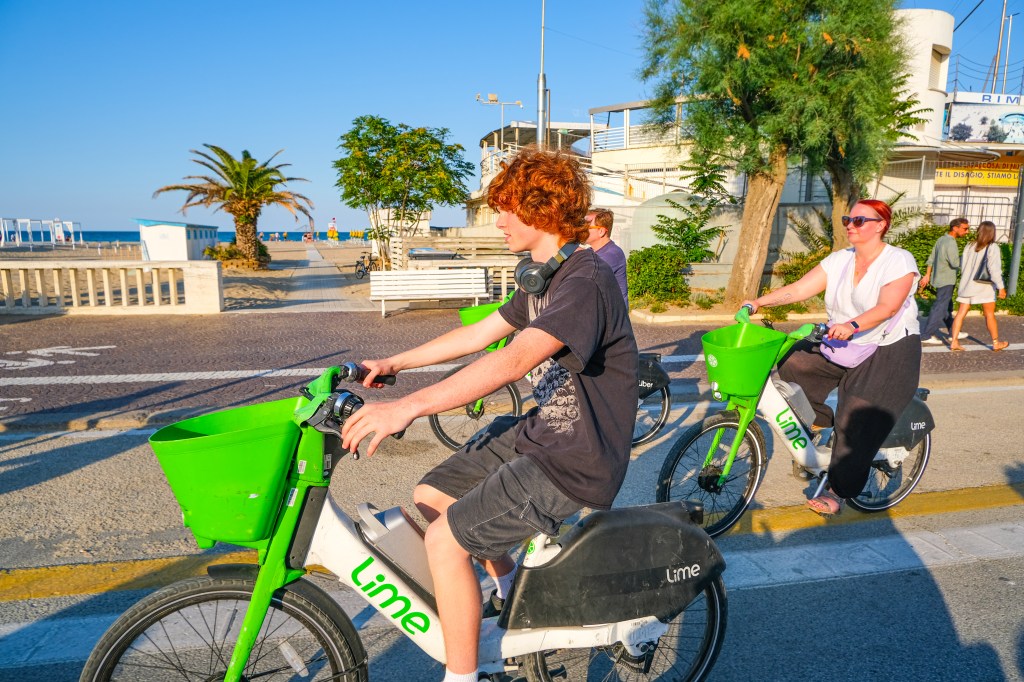
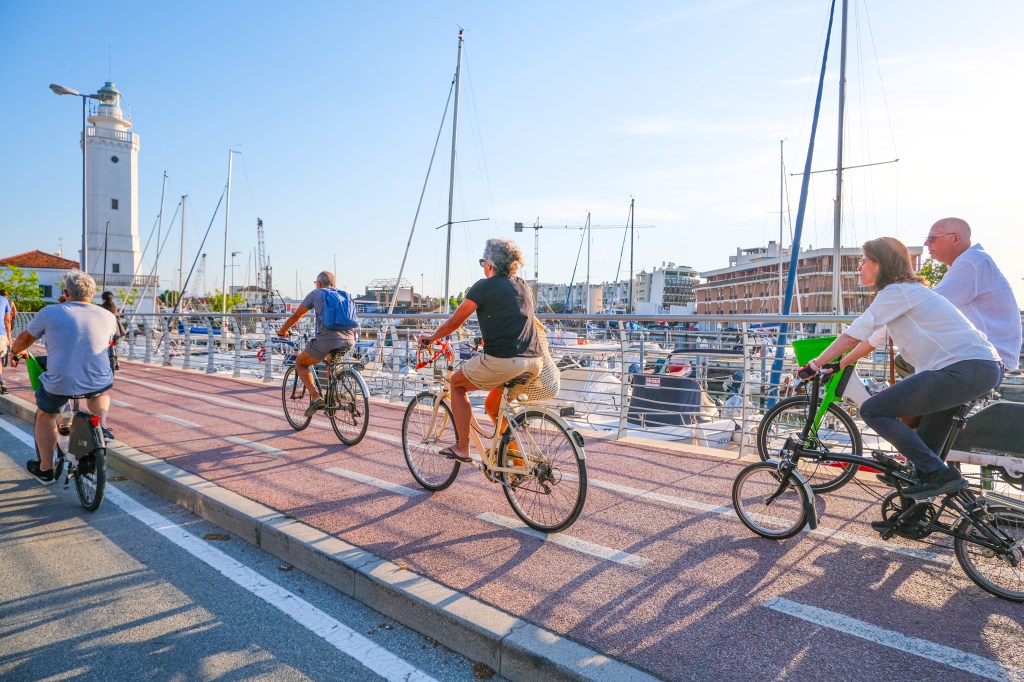
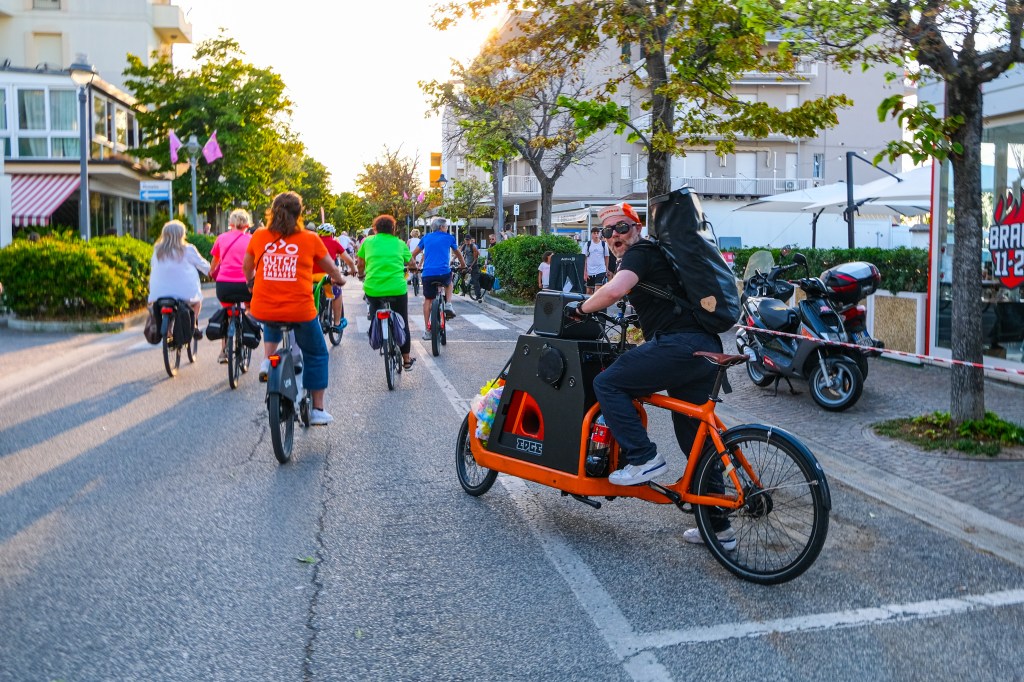
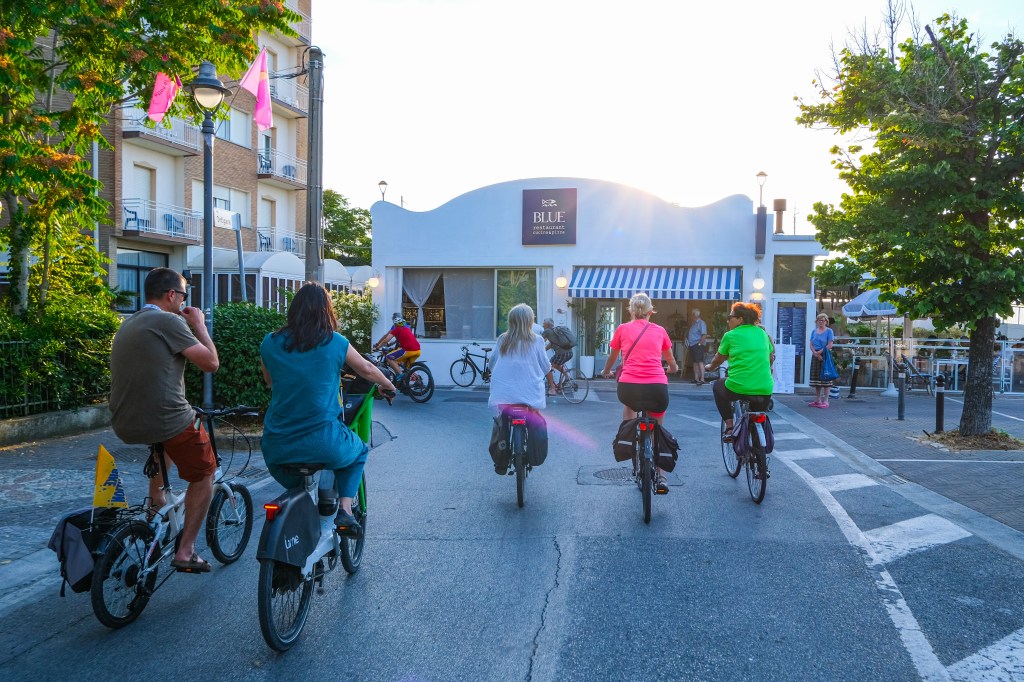
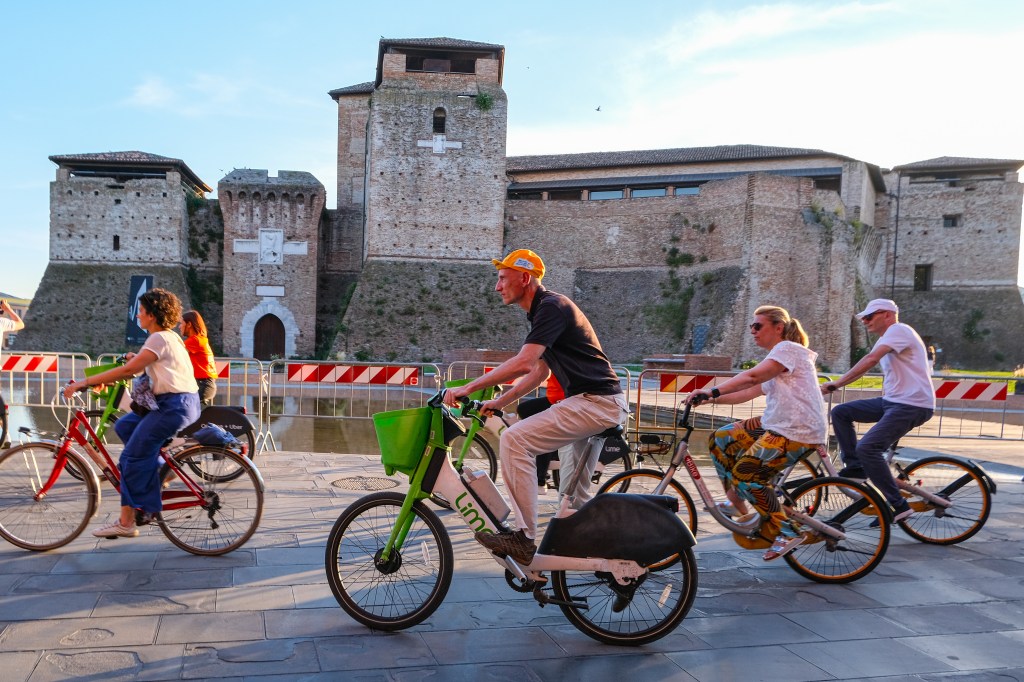
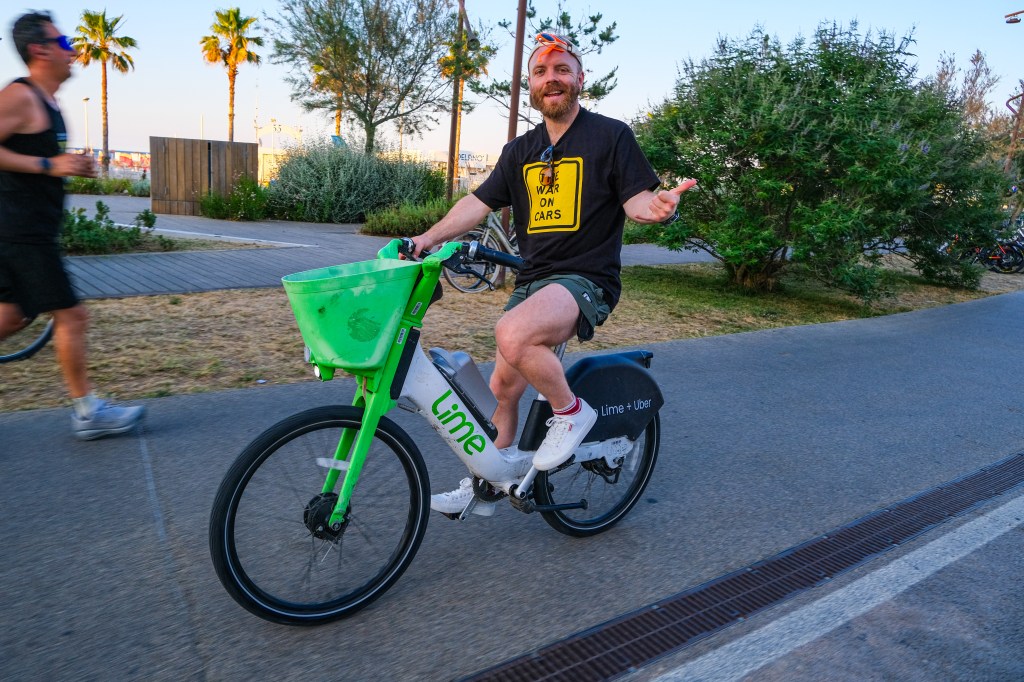
As with every Velo-City, day 2 ended with the traditional wheel through the host city alongside hundreds of our closest – and new – friends. What makes the bike parade so special is that it is the chance for conference delegates to explore the city on two wheels, but also come together with residents to experience joy and celebration together. Groups rides are often the perfect chance for people to dust off their bikes and perhaps return to a past love of pedal-powered travel, and for some, it may be the first time they’ve experienced their streets without cars. It’s one of the highlights of any Velo-City, and this year was no exception.
Now on to day 3, where Women Changing Cities takes the stage, and even more connection and inspiration flourish!
 Modacity Creative
Leave a comment