The following has been written as a paid collaboration between Modacity Creative and Urban Mobility Explained (UMX) by EIT Urban Mobility.
March is Women’s History Month, which always means that the issues and challenges facing women in all factors of life are brought to the fore in online discussions, webinars, presentations, and countless articles and op-eds. While I strongly believe that reflecting on these ideas should not be limited to one month of the year, one of the positives that comes with a month focused on the needs and habits of women is the diversity of topics and discussions that come out of it: Women discussing life as a primary caregiver, young women sharing the challenges of continuing to navigate male-dominated fields of study and work, and women who have been marginalised, which points to a lack of equity not just based on gender, but also income, age, ability, or otherwise.
These differences shine a spotlight on the fact that gender-responsiveness cannot be one-dimensional. Women are not a homogeneous whole of characteristics shared by every one of us. Depending on factors such as age, ability, race, gender and/or sexual identity, geographic location, and socio-economic status, women and girls experience the world differently, even amongst one another, and therefore one solution will not address all of their needs.
This is why an intersectional approach is a must for realising a more equitable mobility system.
In the free online course, from Urban Mobility Explained (UMX), the course authors – two consultants from Trivector Mobility in Sweden – refer to the ‘3H Model’ as a means to realising a more intersectional and inclusive approach to mobility planning. The model is quite simple but powerful, broken down as:
- Hjärta (heart) Understand what different groups consider important when designing the transport system
- Hjärna (head) Include different groups’ conditions and values in decision-making
- Hand (hand) Understand what different groups’ travel patterns look like today
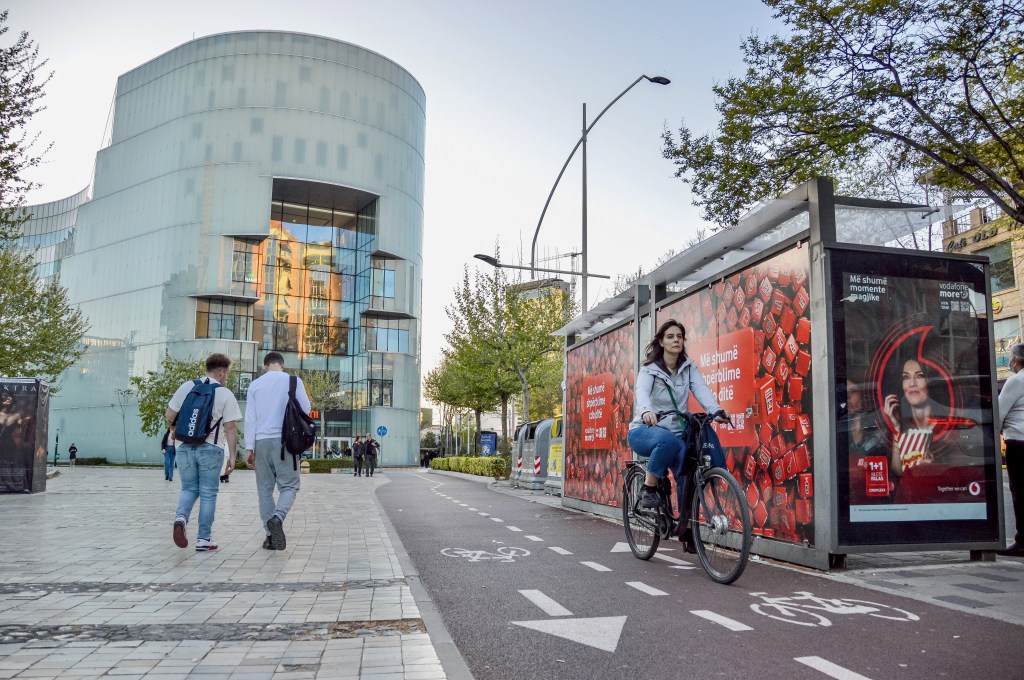
Begin with Empathy (Heart)
Each of us has a unique experience of moving through our communities, and how we feel during those trips informs our mobility behaviour. Beginning with empathy means checking our egos and really listening to residents and stakeholders when they share what influences their transport choices and what they need to make their journeys comfortable and accessible. While years of technical experience and policy knowledge may dictate a certain standard approach to mobility planning, no amount of knowledge can be a substitute for lived experience. Leading with the heart and taking the time to meet with and discuss ideas with communities often results in more responsive and successful solutions.
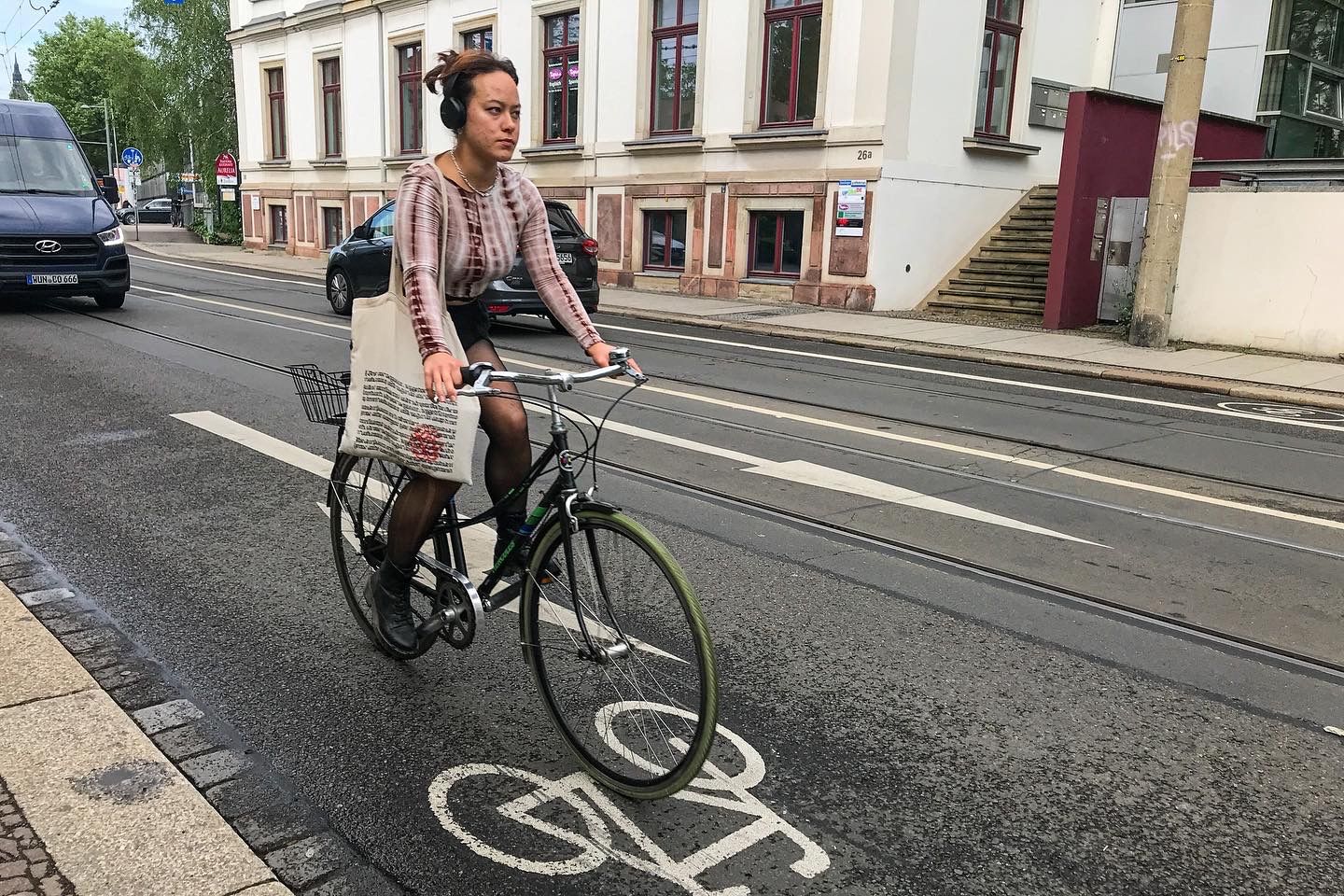
Engage with EVERYONE (Head)
Have you ever gone through an entire project cycle, from ideation to implementation, only to have it fail at the last hurdle because of vehement stakeholder pushback? Don’t worry, you’re not alone. While the planning and design process for every mobility project is long and involves many milestones, the most successful projects I’ve seen around the world began by engaging with stakeholder groups that were as diverse as possible. Go out of your way to understand what different residents value in terms of access, comfort, and convenience and bring those perspectives into the planning process from the start. It can have immense impact on not just achieving project goals, but also building community buy-in.
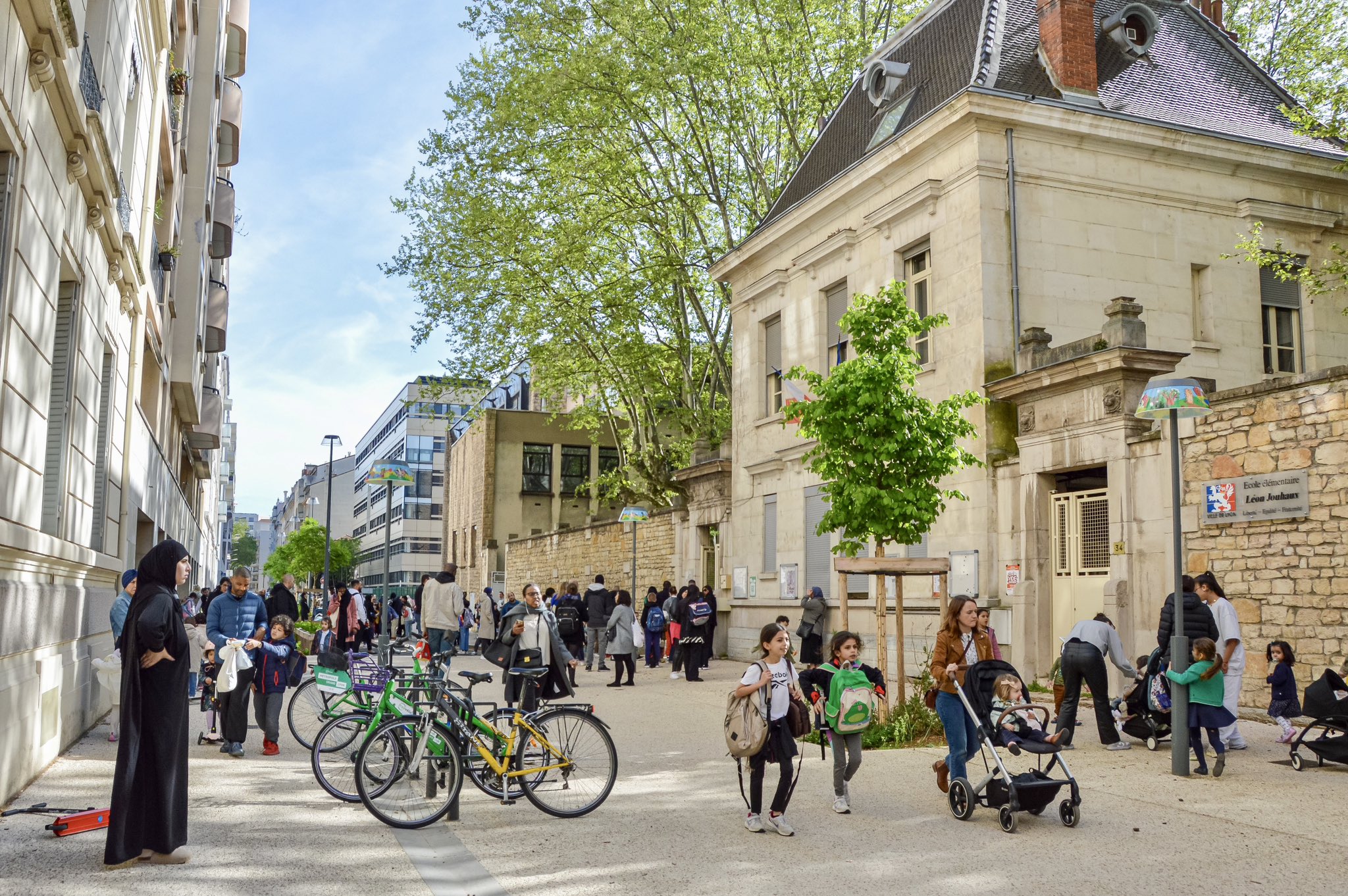
Engage beyond the usual suspects who have the time and capacity to attend public meetings, and reach out to groups such as parent, disability, elderly, and young people’s groups.Only then can we gain a more complete picture of their varied but also intersecting needs. Ultimately, this leads to a more holistic outcome for our cities and their inhabitants.
Look beyond the commute (Hand)
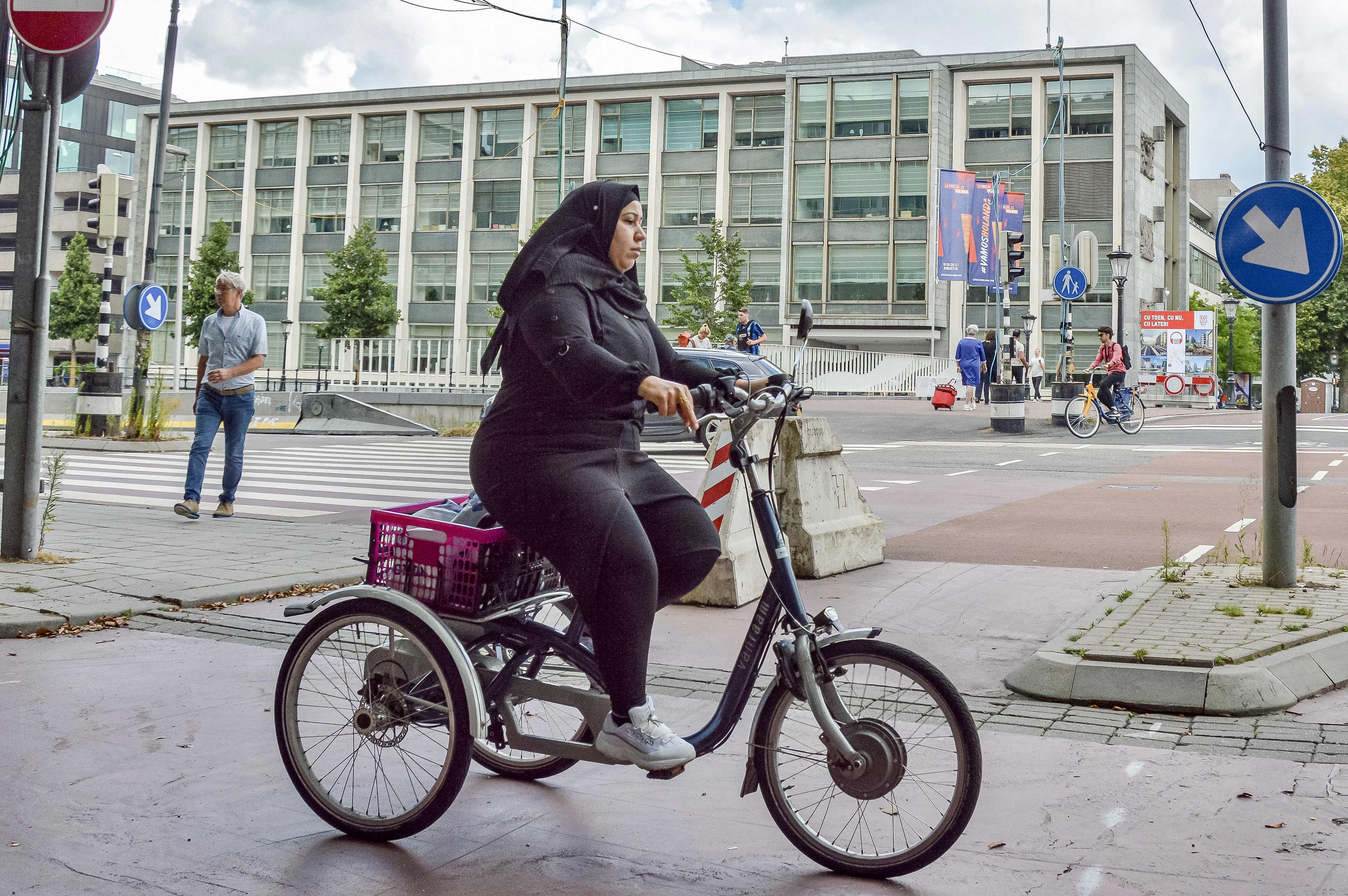
Despite best intentions, many mobility projects even today focus heavily on the one trip that is easiest to track and plan for: The commute to work. The problem with this is that it fails to consider all the other trips we make in a day that are often more frequent, shorter in duration and distance, and rarely direct, A-to-B trips. Commutes also ignore mobility of care, which refers to mostly unpaid, caregiving-related travel. These trips are not economically driven but are still critical to a functioning society. By using a more intersectional lens for the types of trips people take, the different modes they use, and the varied conditions in which they make these trips – i.e., with dependents, with a disability, by foot/cycle, or through trip-chaining (combining multiple stops and/or modes in one trip) – the resulting planning can better respond to actual travel patterns.
At the same time, there is a critical need to examine the trips people can’t make because the transport system makes them difficult or even impossible. Think of the visually impaired person who cannot navigate a public transport hub due to poor accessibility designs, or a woman who cannot access school or work after dark due to limited transport frequency, feelings of insecurity, or any other reason. This approach links the hand, heart and head because it requires listening to underserved groups, understanding the barriers to mobility they experience to make sure their lack of trips are actually counted in planning, and then collaboratively discussing solutions that ensure no one is left out of the mobility system because of their ability, their age, their gender, or otherwise.
Bringing our heart, head, and hand to the process
The good news that is many organisations and cities are already integrating this approach into their standard practices. In Umeå, Sweden, for example, they have been able to deliver planning solutions that respond better to the intersectional needs of women of various ages and backgrounds. (Watch the video “How did Umeå become a model city for women?” from UMX) It requires work: listening to the people who historic planning has typically ignored, really bringing a diversity of perspectives into the process, and valuing them. But the reward –more equitable mobility – improves everyone’s lives for the better, and that makes all the extra effort absolutely worth it!
Want to learn more about how you can bring a more gender-responsive and intersectional approach to your mobility practice? Check out UMX’s “Gender Equal Mobility” E-learning course for practical tools and knowledge for urban mobility professionals. Use the promocode Modacity26 to receive a free certificate upon completion.
 Modacity Creative
Leave a comment